Plants as a Supplement to Modern Air Quality Technology


Plants as a Supplement to Modern Air Quality Technology
As Americans spend more time indoors—whether working from home, studying, or relaxing—the quality of the air we breathe has become a growing concern. Air purifiers, HVAC systems, and smart sensors are now common features in many homes and offices. Yet, even in this age of advanced technology, nature still offers valuable support. Indoor plants can serve as a natural supplement to modern air quality technology—not as a replacement, but as a living partner that enhances both health and well-being.
Plants as Natural Air Purifiers
Through photosynthesis, plants absorb carbon dioxide and release oxygen, but their benefits go beyond that. Research, including studies originally conducted by NASA, has shown that certain plants can help reduce levels of volatile organic compounds (VOCs)—chemicals commonly found in paints, furniture, and cleaning products.
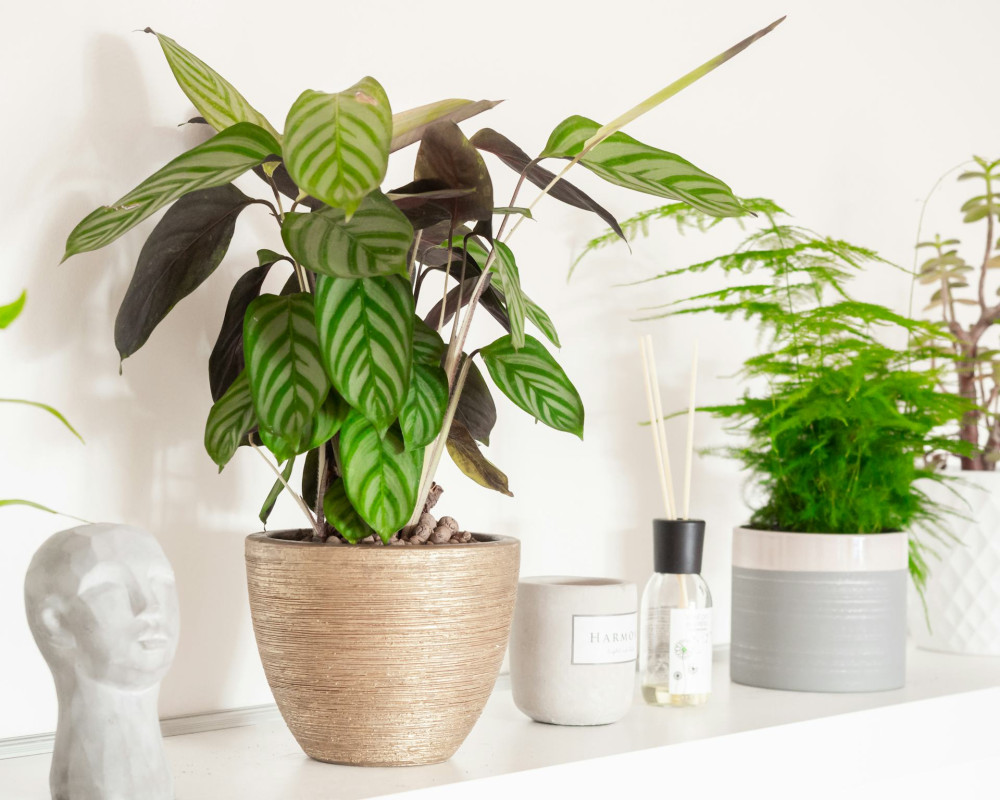
Plants such as peace lilies, ferns, rubber plants, and snake plants are often cited for their ability to absorb harmful substances. They do this through tiny pores in their leaves and with the help of microorganisms in the soil that break down pollutants.
While the effect of plants in a typical home is modest compared to a mechanical air purifier, they can still contribute to a healthier and more pleasant indoor environment—especially when combined with proper ventilation and filtration systems.
Læs også:



Technology and Nature Working Together
Modern air purifiers and ventilation systems can measure and regulate air quality with impressive precision. They remove dust, pollen, and fine particles that plants alone cannot handle. However, technology cannot replicate the sensory and emotional benefits that plants bring to a space.
By combining technology and nature, we can achieve the best of both worlds: machines ensure efficient purification, while plants add humidity, visual calm, and a sense of vitality. In workplaces, studies have shown that greenery can reduce stress and improve concentration—effects that no machine can fully reproduce.
The Best Plants for Indoor Air
If you want to use plants as a supplement to your air quality technology, choose species that thrive indoors and require minimal care. Here are some good options:
- Peace Lily (Spathiphyllum) – effective at removing formaldehyde and benzene; thrives in low light.
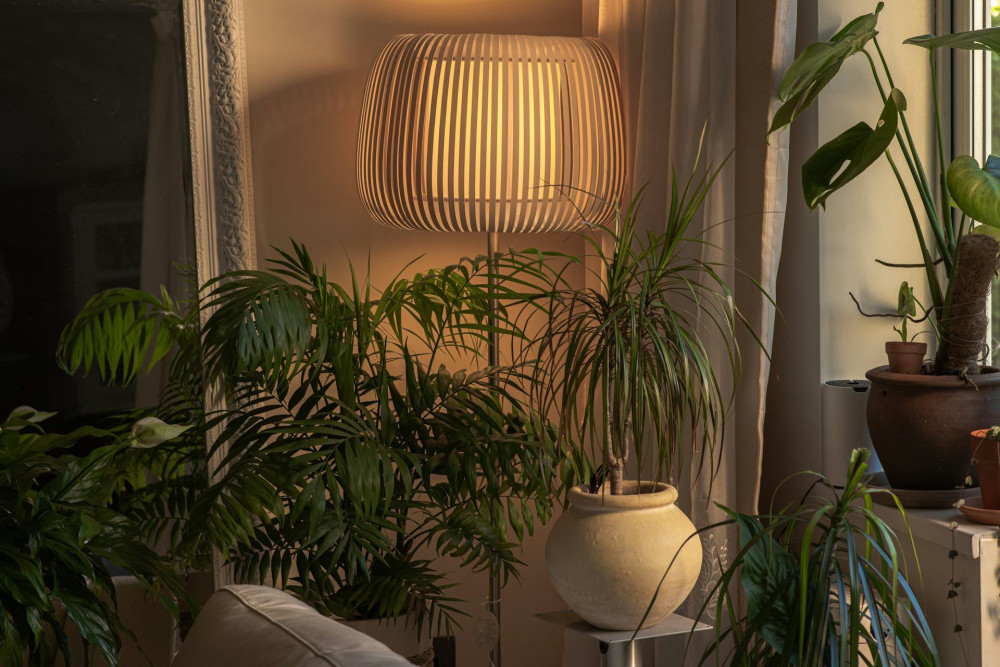
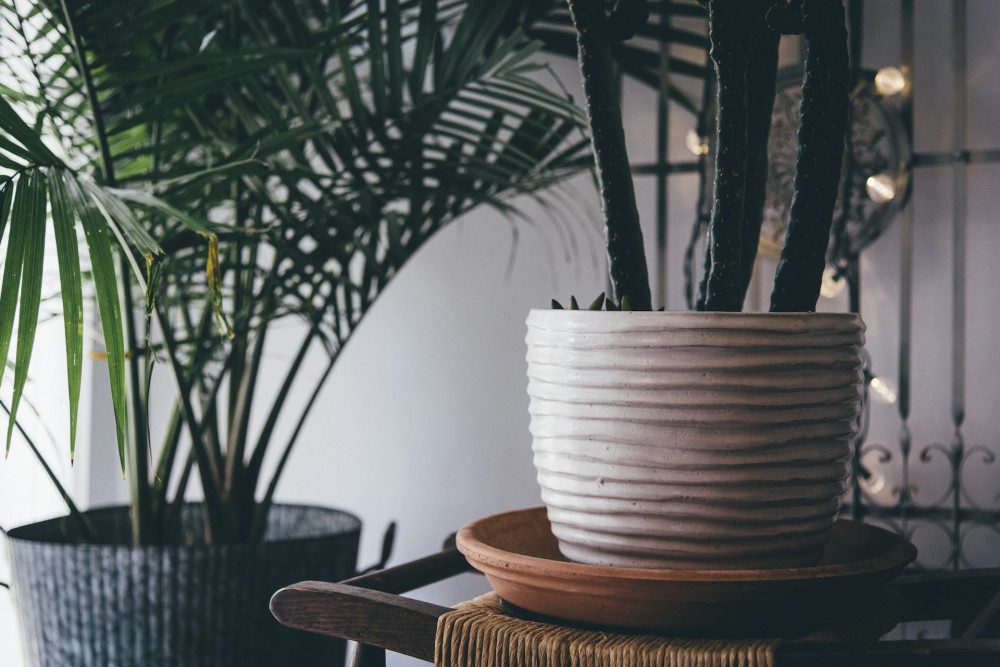
- Areca Palm (Dypsis lutescens) – adds humidity to the air and brings a tropical feel.
- Snake Plant (Sansevieria trifasciata) – hardy and ideal for bedrooms, as it releases oxygen at night.
- Aloe Vera – easy to care for and known for its air-purifying properties.
- Boston Fern (Nephrolepis exaltata) – great for increasing humidity in dry indoor spaces.
Place plants strategically—near desks, in living areas, or by windows—where they can both thrive and make the greatest impact.
Green Design for the Future
Architects and designers across the United States are increasingly integrating plants into building design and ventilation systems. Vertical gardens, green walls, and indoor landscaping are becoming part of sustainable building strategies that combine aesthetics, comfort, and function.
In the near future, we may see smart systems that work in harmony with plants—adjusting light and water levels based on real-time air quality data. This represents a more symbiotic approach, where technology and nature collaborate rather than compete.
A Greener Path to Better Air
Plants alone cannot replace modern air purification technology, but they can be a valuable complement. They bridge the gap between the mechanical and the natural, reminding us that clean air is not just about numbers and sensors—it’s also about how we experience our surroundings.
By combining plants with technology, we can create spaces that are not only healthier to live and work in but also more inspiring and alive. That may be the most sustainable form of air quality: one that nurtures both body and mind.
Læs også: