Plan a Safe Garden with Knowledge of Plant Toxicity

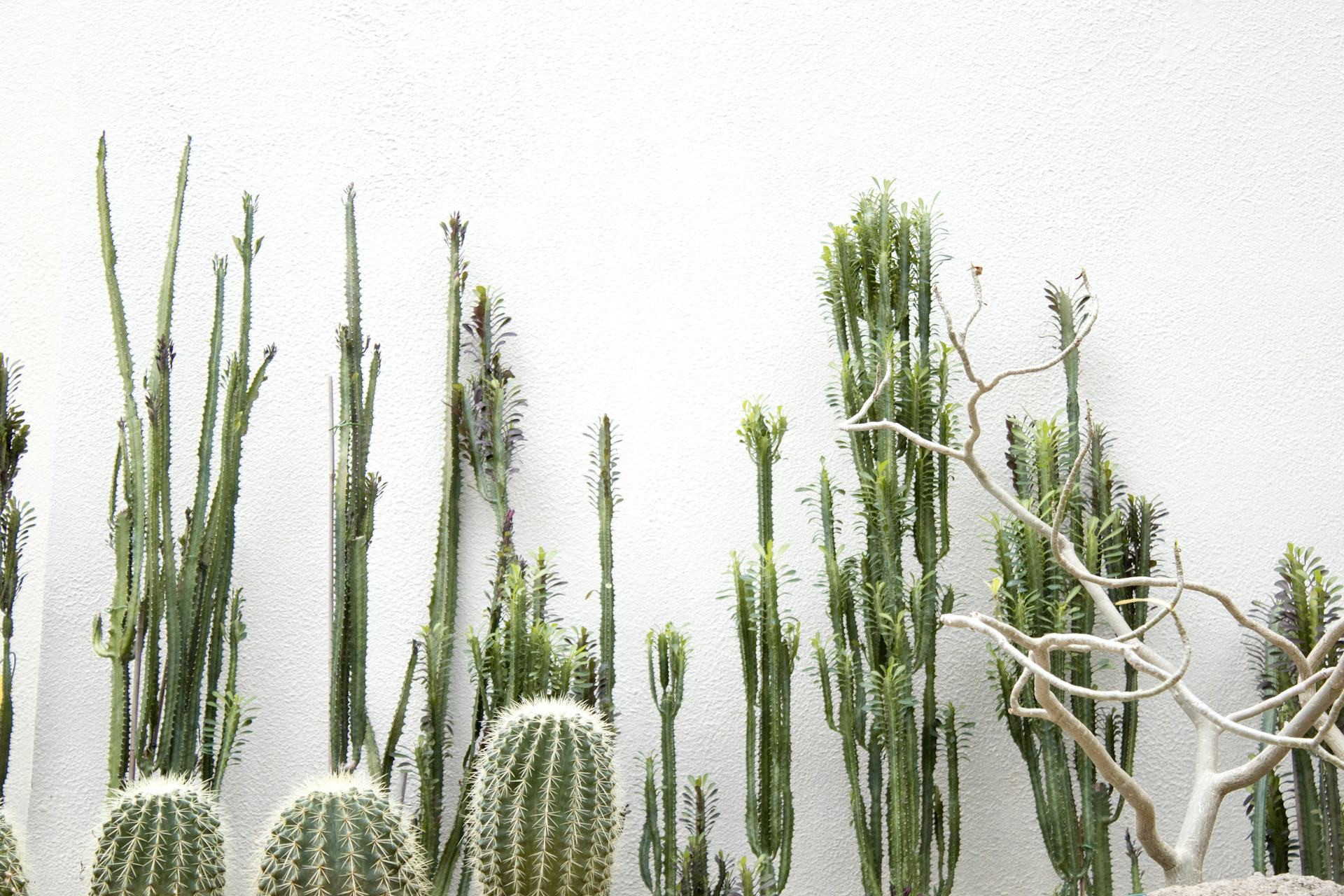
Plan a Safe Garden with Knowledge of Plant Toxicity
A garden should be a place of peace, play, and beauty—but not all plants are as harmless as they look. Many common ornamental plants contain toxins that can cause anything from mild skin irritation to serious poisoning if handled or ingested incorrectly. With a bit of knowledge and planning, you can create a beautiful and safe garden where children, pets, and adults can enjoy the outdoors without worry. Here’s how to plan a safe garden with awareness of plant toxicity.
Know Which Plants Are Toxic
The first step toward a safe garden is understanding which plants may pose a risk. Many popular garden plants in the United States are toxic to humans or animals in varying degrees.
- Oleander – a stunning flowering shrub, but all parts are highly poisonous if ingested.
- Foxglove – admired for its tall spikes of blooms, yet it contains digitalis compounds that affect the heart.
- Lily of the Valley – fragrant and delicate, but extremely toxic to both people and pets.
- Azalea and Rhododendron – beautiful spring bloomers, but their leaves and nectar can cause severe illness.
- Castor Bean – dramatic foliage, but the seeds contain ricin, one of the most potent natural toxins.
- Sago Palm – popular in warm climates and as a houseplant, but deadly to dogs if eaten.
You don’t necessarily have to avoid these plants altogether, but you should place them thoughtfully—away from play areas, walkways, and spots where pets roam.
Plan Your Garden with Safety in Mind
When designing or updating your garden, consider who uses it most and how it’s used.
- Families with children should choose plants that are safe to touch and taste. Avoid plants with tempting berries or bright flowers at child height.
- Pet owners need to be especially cautious. Dogs and cats may chew on leaves or dig in soil. Avoid lilies, daffodils, tulips, and azaleas, which are toxic to pets.
- Older adults and those with allergies may prefer to skip plants that cause skin irritation, such as poison ivy, euphorbia, or primrose.
It can be helpful to make a simple garden map marking where potentially toxic plants are located. This makes it easier to supervise children and inform guests about which plants to avoid.
Læs også:

Safe Handling and Maintenance
Even non-toxic plants can cause problems if handled carelessly. Always wear gloves when pruning or removing plants you’re unfamiliar with, and wash your hands thoroughly afterward. Avoid touching your face or eyes while gardening.
When disposing of toxic plant material, do not compost it—animals may access the pile. Instead, place it in your yard waste bin or follow your local disposal guidelines. Never burn plant debris, as the smoke can carry harmful compounds.
If you get plant sap on your skin, rinse immediately with plenty of water. If you suspect poisoning—such as a child or pet eating part of a plant—contact Poison Control (1-800-222-1222) or a veterinarian right away.
Choose Safe and Beautiful Alternatives
There are many attractive, non-toxic plants that can replace hazardous ones without sacrificing beauty.
- Instead of oleander, try hibiscus or crape myrtle for colorful blooms.
- Instead of foxglove, plant snapdragon or penstemon.
- Instead of sago palm, choose areca palm or bamboo palm for a tropical look.
- Instead of azalea, consider camellia or hydrangea (though note that hydrangeas can be mildly toxic if eaten in large amounts).
By selecting safer alternatives, you can design a garden that’s both inviting and secure for everyone.
Teach Children and Guests About Nature’s Duality
Education is a key part of garden safety. Children are naturally curious, and it’s better to teach them about plants than to simply forbid touching. Explain that some plants are beautiful but not for eating, and show them how to enjoy nature respectfully.
You can even make it fun: create a “plant detective” game where kids learn to identify both safe and toxic plants. This builds awareness and turns your garden into a place of discovery and learning.
A Safe Garden Is a Mindful Garden
Planning a safe garden isn’t about removing every potential hazard—it’s about balance. With knowledge, care, and good habits, you can enjoy a lush, thriving garden where people and animals coexist safely. A little planning today can prevent accidents tomorrow—and let you enjoy your garden as it’s meant to be: a place of life, beauty, and peace.
Læs også: