Licensed Sewer Contractor’s Advice on Maintenance of Manholes and Covers

Licensed Sewer Contractor’s Advice on Maintenance of Manholes and Covers
Manholes and their covers are a vital but often overlooked part of a property’s sewer system. They provide access for inspection, cleaning, and repair, ensuring wastewater flows safely away from your home. Like any other part of your plumbing, they need regular maintenance to stay in good condition. Here, a licensed sewer contractor shares practical advice on how to care for manholes and covers—and avoid costly repairs down the road.
Know Where Your Manholes Are Located
The first step in proper maintenance is knowing where your manholes are. Many homeowners only notice the one in the driveway, but there may be others on your property—near storm drains, kitchen lines, or yard drainage systems.
Check your property’s sewer layout, which you can often find in your home inspection report or obtain from your local public works department. Knowing the exact locations helps you avoid covering them with landscaping, pavement, or soil, and makes it easier to access them when needed.
Keep Covers Accessible and Secure
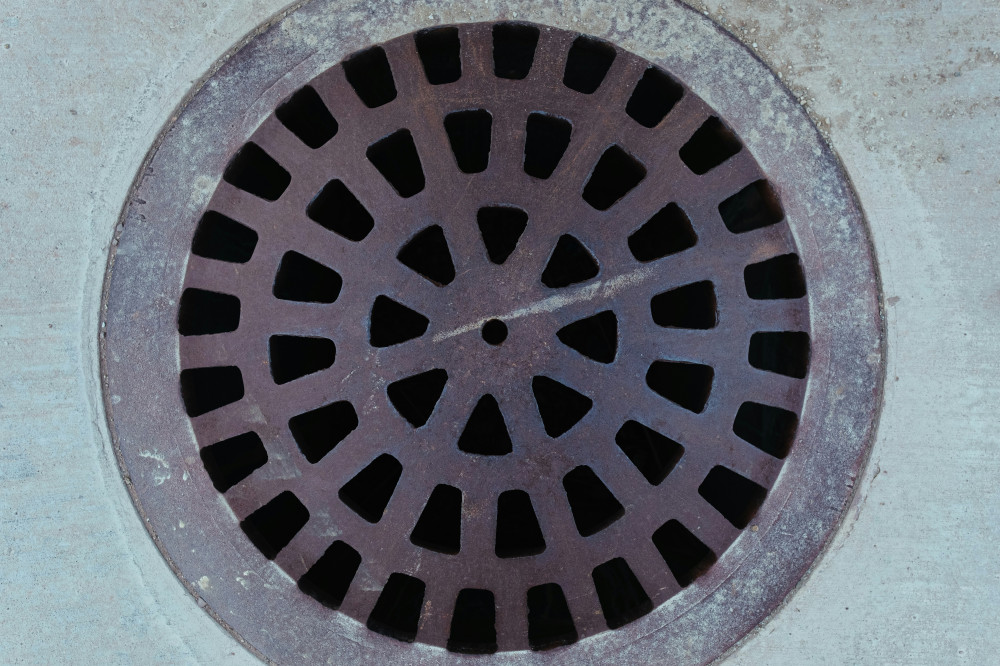
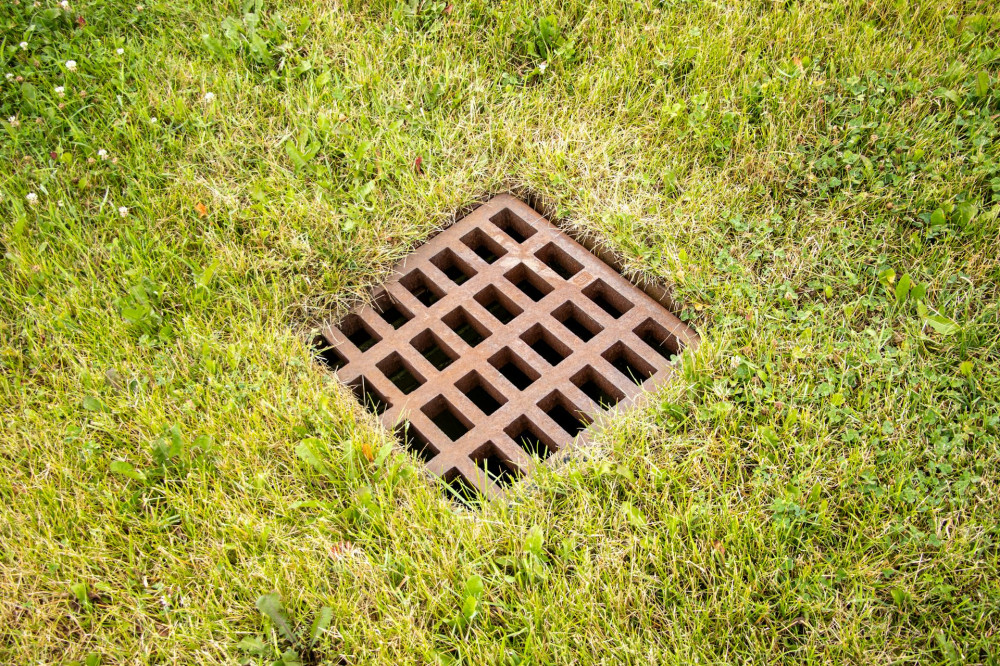
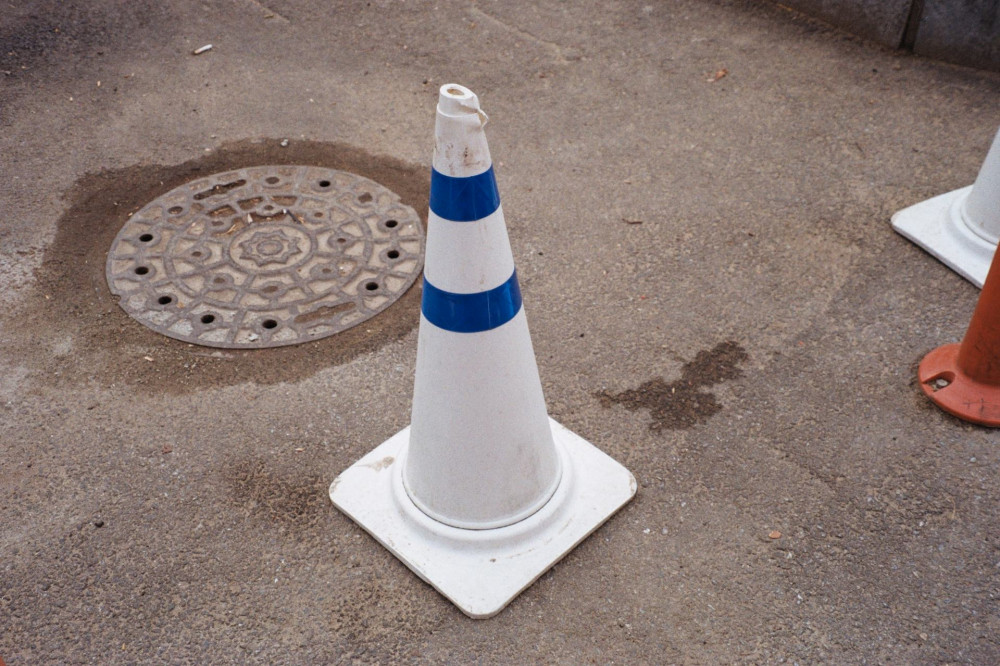
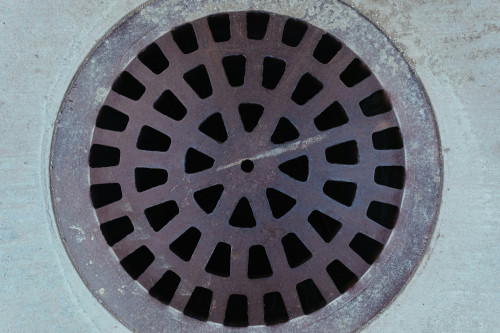
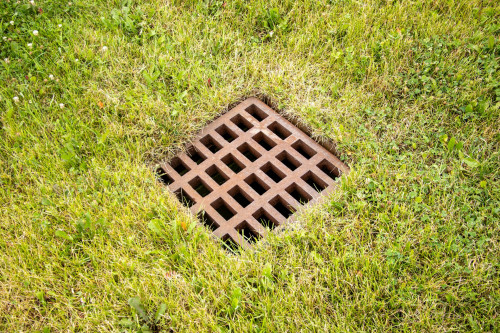
A manhole cover should always be easy to reach and sit level with the surrounding surface. Avoid covering it with dirt, grass, or paving stones. A tilted or damaged cover can be a tripping hazard and may allow rainwater to enter the sewer system, which can lead to backups or overflows.
Inspect the cover regularly to ensure it fits tightly and that any gasket or seal is intact. If the cover is cracked, rusted, or difficult to remove, it’s time for a replacement. A licensed sewer contractor can help you choose the right type and ensure it’s installed correctly.
Clean and Inspect Manholes Periodically
Over time, sediment, grease, and debris can accumulate inside manholes, leading to blockages and poor drainage. A good rule of thumb is to have them inspected and, if necessary, cleaned once a year—more often if you live in an area with heavy tree cover or sandy soil.
You can lift the cover yourself to check for standing water or visible buildup, but never climb down into a manhole. Dangerous gases and low oxygen levels can make it unsafe. Leave the actual cleaning and inspection to trained professionals equipped with the right safety gear.
Læs også:


Watch for Odors and Slow Drains
A foul smell near a manhole or a slow-draining sink can be early signs of trouble. These issues may indicate a partial blockage, cracked pipe, or leaking joint. The sooner you address them, the easier and less expensive the fix will be.
A licensed sewer contractor can perform a video inspection using a small camera to locate the problem precisely. This method helps identify damage before it turns into a major repair.
Don’t Pour Grease or Chemicals Down the Drain
Many sewer problems start in the kitchen. Grease, oil, and food scraps can solidify in pipes and eventually clog the manholes. Never pour grease down the drain—collect it in a container and dispose of it with your household trash.
Avoid pouring harsh chemicals or solvents into your drains as well. They can corrode pipes and harm the environment. Instead, take hazardous materials to your local waste disposal facility for proper handling.
Call a Professional if You Suspect Damage
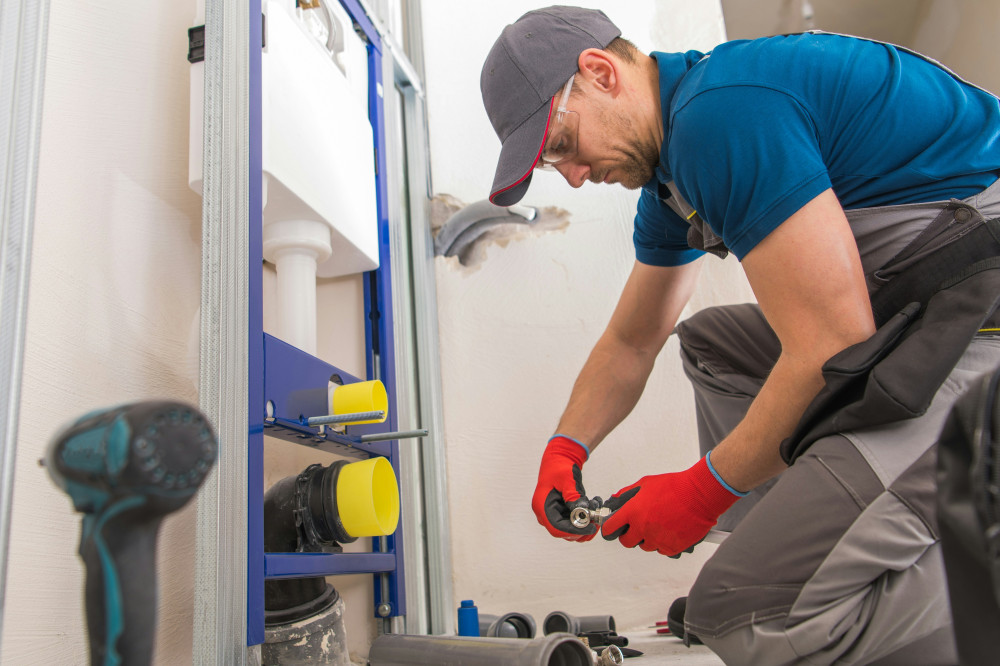
If you notice recurring drainage issues, water pooling in your basement, or cracks around manhole areas, contact a licensed sewer contractor. They can assess whether repairs, replacements, or leak testing are needed.
While professional service may seem like an expense, it’s an investment in preventing larger problems later. A well-maintained sewer system protects your home, your yard, and the local environment.
A Small Effort That Makes a Big Difference
Maintaining manholes and covers doesn’t take much time, but it can save you from major headaches. A yearly inspection, occasional cleaning, and attention to warning signs are usually enough to keep your system running smoothly.
As one experienced contractor puts it: “The parts of your sewer you don’t see are the ones that matter most.” With regular maintenance, you can ensure your system works reliably—year after year.
Læs også: