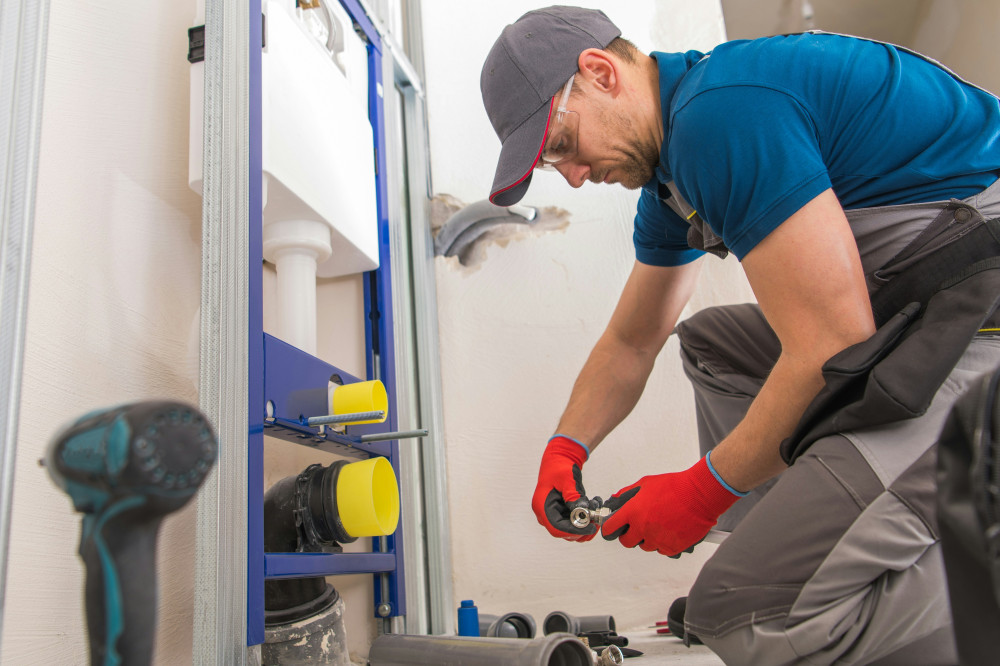
Combine Sewer Inspection with Other Home Checkups for Better Maintenance

Combine Sewer Inspection with Other Home Checkups for Better Maintenance
Owning a home means keeping track of many different systems — from the roof and foundation to plumbing, electrical wiring, and HVAC. Maintenance often happens in bits and pieces, but there’s real value in taking a more holistic approach. By combining your sewer inspection with other home checkups, you can save time and money while ensuring your property stays in great shape for years to come.
Why Sewer Inspection Matters
Your home’s sewer line is out of sight — and often out of mind — until something goes wrong. Cracks, root intrusion, or buildup inside the pipes can lead to backups, leaks, or even foundation damage if left unchecked. A professional sewer camera inspection provides a clear view of the pipe’s condition and can catch small issues before they turn into expensive repairs.
It’s especially smart to schedule an inspection if your home is older, you notice slow drains, unpleasant odors, or dampness in the basement. But instead of treating the sewer inspection as a one-off task, consider making it part of a broader maintenance plan.
Combine with Other Home Checkups
When you already have a professional on-site to inspect your sewer line, it’s the perfect opportunity to schedule other related evaluations. This approach gives you a complete picture of your home’s condition and helps you prioritize maintenance more effectively.
1. Drainage and Gutter System Review
Proper drainage is closely tied to your sewer system. If gutters are clogged or downspouts direct water too close to the foundation, moisture can seep into the basement or crawl space. By combining a sewer inspection with a drainage and gutter check, you’ll understand how water moves around your property — from the roof to the underground pipes.
2. Moisture and Ventilation Assessment
Moisture problems can stem from plumbing leaks, poor ventilation, or even sewer line issues. A home inspector can measure humidity levels and check for signs of mold or condensation. Pairing this with a sewer inspection helps determine whether dampness originates from the plumbing system or from other structural issues.
3. Foundation and Structural Inspection
Cracks in the foundation or shifting soil can affect nearby sewer lines, leading to misalignment or breaks. A combined inspection allows you to identify connections between structural movement and plumbing problems — preventing one issue from worsening the other.
4. HVAC and Energy Efficiency Check
If you’re already planning a comprehensive home review, consider adding an HVAC and energy efficiency assessment. Inspecting insulation, ductwork, and heating or cooling systems at the same time provides a full overview of your home’s performance and can reveal opportunities to reduce energy costs.
The Benefits of Combining Inspections
Bundling multiple inspections into one visit offers several advantages:
- Time savings: Coordinate fewer appointments and get more done in a single day.
- Better insight: A combined report gives you a complete overview of your home’s condition.
- Cost efficiency: Many service providers offer discounts when multiple inspections are scheduled together.
- Preventive care: Viewing your home as an interconnected system helps you catch issues early and avoid costly repairs later.
Læs også:

When It Makes the Most Sense
Combining inspections is especially beneficial during:
- Home purchase or sale – to understand the property’s true condition.
- Renovation or remodeling – when plumbing or structural changes are already planned.
- Routine maintenance cycles – every 5–10 years, depending on your home’s age and materials.
By planning inspections strategically, you can establish a consistent maintenance rhythm that protects your investment and provides peace of mind.
A Smart Investment in Your Home’s Health
A home is a living structure that changes over time. Combining sewer inspections with other home checkups gives you more than just a snapshot — it provides a comprehensive understanding of how your home is performing as a whole. This proactive approach helps you make informed decisions, prevent small issues from escalating, and maintain your property’s value for the long term.
In short, a holistic maintenance plan isn’t just convenient — it’s an investment in your home’s safety, comfort, and future.
Læs også: