Drains and Rainwater – How to Manage Them Sustainably

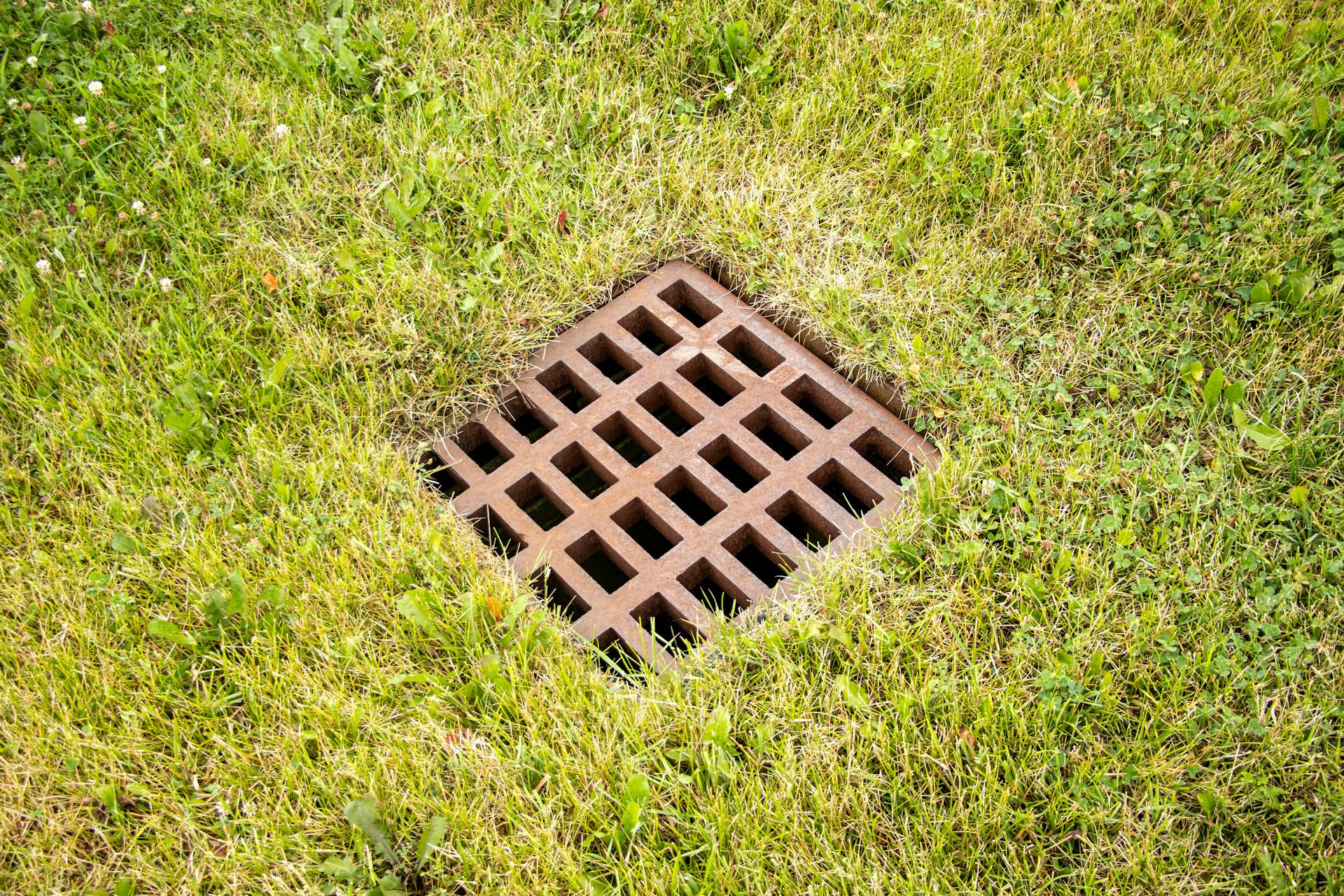
Drains and Rainwater – How to Manage Them Sustainably
When the rain pours down, the water has to go somewhere – but how can you manage it in a way that protects your home and the environment? For decades, the standard solution in the U.S. has been to send stormwater straight into the sewer system. But with heavier rainfall, aging infrastructure, and more frequent flooding, that approach is no longer sustainable. Today, the goal is to think smarter and greener: to reduce pressure on storm drains, prevent flooding, and make rainwater work for you instead of against you. Here’s how you can manage drains and rainwater sustainably around your home.
Why Sustainable Stormwater Management Matters
Climate change is bringing more intense rain events across much of the United States. Many cities and towns rely on combined sewer systems that can overflow during heavy storms, sending untreated water into rivers and lakes. Even in suburban and rural areas, poorly managed runoff can cause erosion, basement flooding, and water pollution.
At the same time, rainwater is a valuable resource. Instead of letting it rush away, you can capture it, let it soak into the ground, or use it to support your landscape. Sustainable stormwater management means keeping water close to where it falls, mimicking natural processes, and reducing the burden on public infrastructure.
Drains Around the House – Protecting the Foundation
A well-functioning drain system is essential for keeping your home’s foundation dry. Perimeter drains or French drains help divert excess water away from the foundation, preventing moisture damage and mold. But these systems need regular maintenance and should be integrated with your overall drainage plan.
- Inspect your drains regularly, especially after heavy rain. Standing water in a drain box or sump may indicate a blockage.
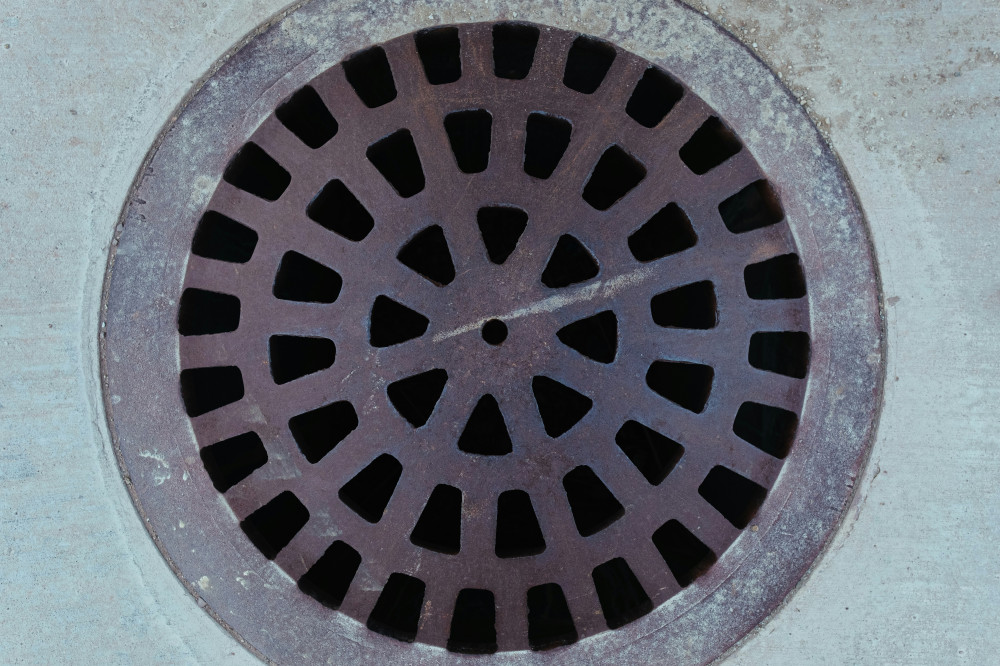
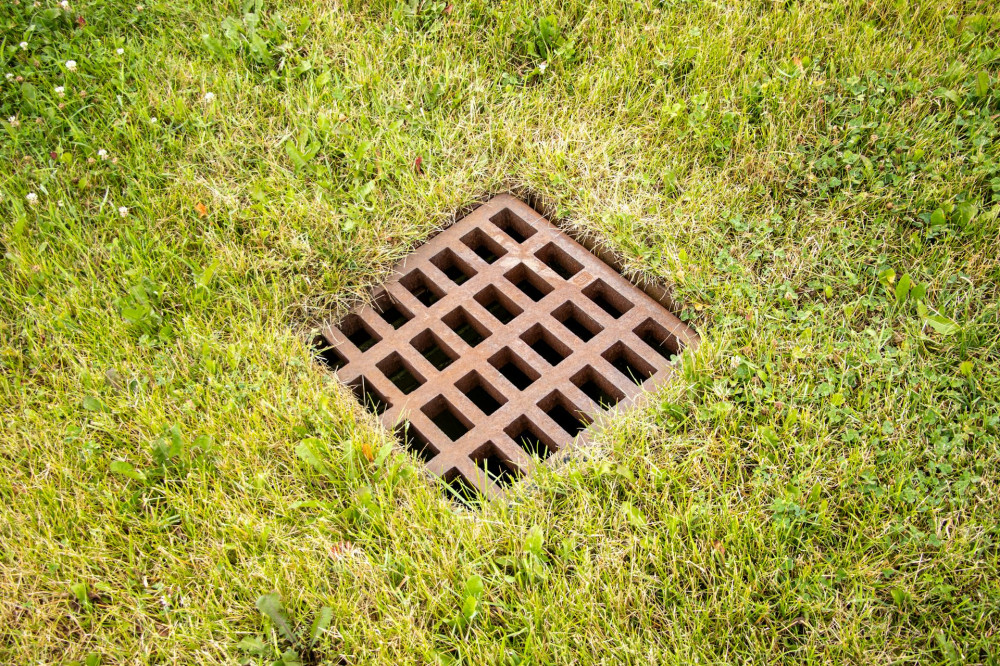
- Clean drain inlets and catch basins at least once a year to remove leaves, sediment, and debris.
- Check the age and condition of your drainage pipes. Older clay or corrugated pipes can collapse or clog over time. Replacing them may be a worthwhile investment if you notice persistent dampness or seepage.
When upgrading or installing drains, make sure the water is directed to a sustainable outlet—such as a rain garden, dry well, or infiltration trench—rather than straight into the storm sewer.
Dry Wells and Rain Gardens – Let Water Soak In
One of the most effective ways to manage rainwater on your property is to let it infiltrate naturally. Dry wells and rain gardens are two popular options that help water soak into the soil instead of running off.
- Dry wells are underground chambers filled with gravel or plastic units that temporarily store runoff and allow it to seep into the ground. They work best in sandy or loamy soils and can be connected to downspouts.
- Rain gardens are shallow, landscaped depressions planted with native species that tolerate both wet and dry conditions. They slow down runoff, filter pollutants, and provide habitat for pollinators and birds.
Both solutions reduce the load on storm drains and help replenish groundwater, creating a more natural water cycle right in your yard.
Reuse Rainwater – Save Drinking Water
Rainwater is soft and clean enough for many household uses that don’t require potable water. By collecting it in a rain barrel or a larger cistern, you can use it to water your garden, wash your car, or even flush toilets if your system is designed for that purpose.
- A rain barrel is an easy, low-cost option that connects directly to a downspout. Many local governments and utilities offer rebates for installing them.
- A rainwater harvesting system with filtration and pumps can supply non-potable water for irrigation or household use, reducing your water bill and conserving municipal supplies.
Reusing rainwater not only saves money but also helps reduce demand on local water systems, especially in drought-prone regions.
Green Roofs and Permeable Surfaces
Even if you live in a city or have limited yard space, you can still make a difference. Green roofs—rooftops covered with vegetation—absorb and slow down rainwater, reducing runoff and improving insulation. They also help cool urban areas and support biodiversity.
Permeable pavements, such as porous concrete, pavers with gaps, or gravel driveways, allow water to soak through instead of running off. They’re ideal for driveways, patios, and walkways, combining practicality with sustainability.
Know the Rules and Get Expert Advice
Before altering your drainage or installing new systems, check local regulations. Many U.S. cities and counties have stormwater ordinances that govern how runoff is managed. Some even offer grants or tax incentives for green infrastructure projects like rain gardens or permeable driveways.
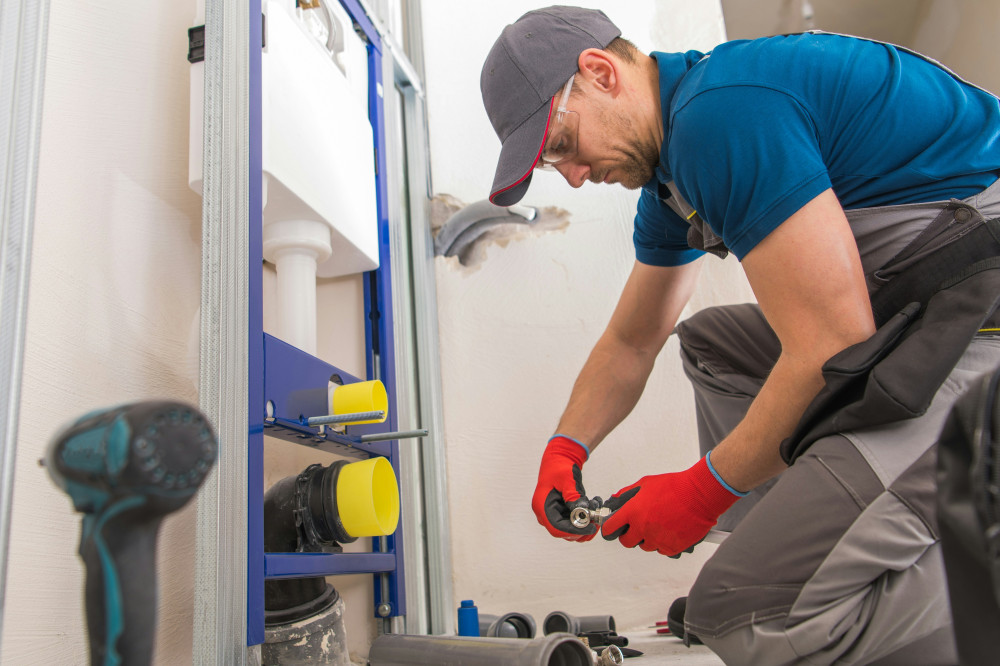
Consult a licensed contractor or civil engineer if you’re unsure about soil conditions, system sizing, or permitting requirements. Proper design and installation ensure your system works effectively and complies with local codes.
Læs også:


A Step Toward a Greener Home
Managing drains and rainwater sustainably isn’t just about preventing floods—it’s about caring for your home, your community, and the environment. Every drop that stays on your property instead of rushing into the storm drain makes a difference. With the right solutions, you can protect your foundation, conserve water, and contribute to a healthier, more resilient ecosystem.
Læs også: