The Greenhouse as a Learning Space for Children


The Greenhouse as a Learning Space for Children
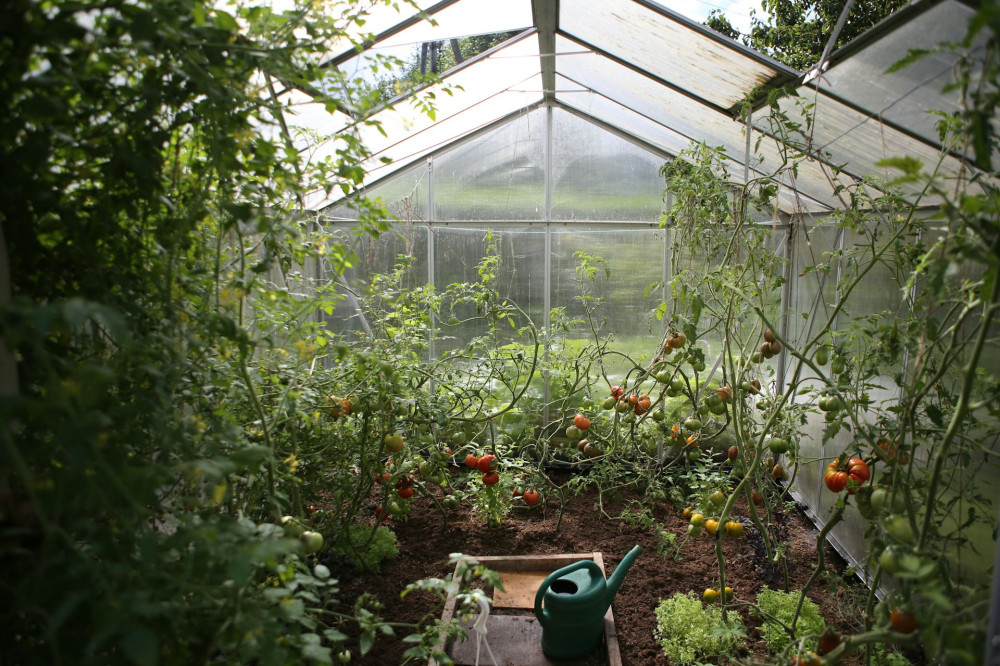
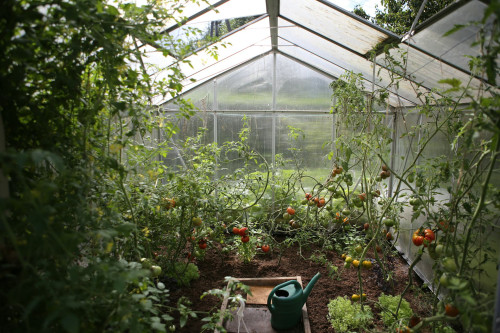
A greenhouse is much more than a place where tomatoes and herbs grow. It can also be a vibrant learning environment for children—a space where curiosity, nature, and hands-on experience come together. In a time when many kids spend most of their days indoors, a greenhouse offers a unique opportunity to explore the cycles of nature up close. It’s a place where children can learn about science, sustainability, and responsibility—while getting their hands a little dirty.
A Space for the Senses and Curiosity
When children step into a greenhouse, they are greeted by warmth, color, and life. The scent of soil, the buzz of insects, and the sight of plants in every stage of growth awaken their senses and spark natural curiosity. It’s the perfect setting for questions: Why do plants grow faster here? What happens if we forget to water them? How does a tiny seed become a tall plant?
By observing and experimenting, children gain a concrete understanding of natural processes—something that can be difficult to grasp from books alone.
Learning by Doing
A greenhouse invites learning through action. Kids can plant seeds, water, weed, and harvest—and see how their efforts lead to results. This hands-on experience builds patience and a sense of responsibility. When they see plants thrive because of their care, they develop pride and an understanding that nature needs attention and respect.
For younger children, it might be about feeling the soil and watching sprouts emerge. Older students can explore more advanced topics like photosynthesis, temperature, humidity, and plant biology.
Læs også:
A Green Classroom All Year Long
One of the great advantages of a greenhouse is that it can be used year-round. Even when it’s cold or snowy outside, life continues inside. This makes the greenhouse an ideal extension of both school and home learning.
In spring, children can plant seeds and watch them sprout. Summer brings the joy of harvesting and tasting what they’ve grown. Fall is a time for collecting seeds and preparing for the next season, while winter can be used for planning, sketching, and dreaming up new projects. The greenhouse becomes a place where learning follows the rhythm of the seasons.
Cooperation and Community
A greenhouse project can also strengthen teamwork and community among children. When they share the responsibility of caring for plants, they learn to cooperate, divide tasks, and support one another. It might be as simple as deciding who waters today or which vegetables to grow next.
For families, a backyard or school greenhouse can become a gathering place where both kids and adults participate. It opens the door to meaningful conversations about food, the environment, and nature—and creates shared experiences that go beyond daily routines.
Sustainability in Child-Sized Steps
The greenhouse is a perfect setting to introduce children to sustainability. They can learn about reusing pots, composting plant waste, and conserving water. When they see how natural cycles work in practice, ideas like “organic” and “eco-friendly” become tangible and real.
You can encourage small experiments: What happens if we use rainwater instead of tap water? How does sunlight or shade affect growth? These simple investigations make learning lively and memorable.
Getting Started
It doesn’t take much to create a child-friendly learning space in a greenhouse. Start with easy plants like cherry tomatoes, peas, strawberries, or herbs—they grow quickly and show visible results. Give children their own small tools and perhaps a corner that’s “theirs.”
Plan age-appropriate tasks: younger kids can water and pick, while older ones can measure temperature, keep a growth journal, or take photos of plant development. This way, the greenhouse becomes both a playground and a classroom.
A Place Where Nature Feels Close
In a digital age where much learning happens on screens, the greenhouse offers a rare chance to experience nature with all the senses. Here, children can see, touch, smell, and taste—and discover that nature isn’t just something to read about, but something to be part of.
Ultimately, the greenhouse as a learning space is about giving children an understanding of life’s connections—and a joy in creating and caring for living things. It’s learning that stays in their hands, their hearts, and their memories.
Læs også: