Soil Improvement as Learning – Involve the Kids in Gardening

Soil Improvement as Learning – Involve the Kids in Gardening
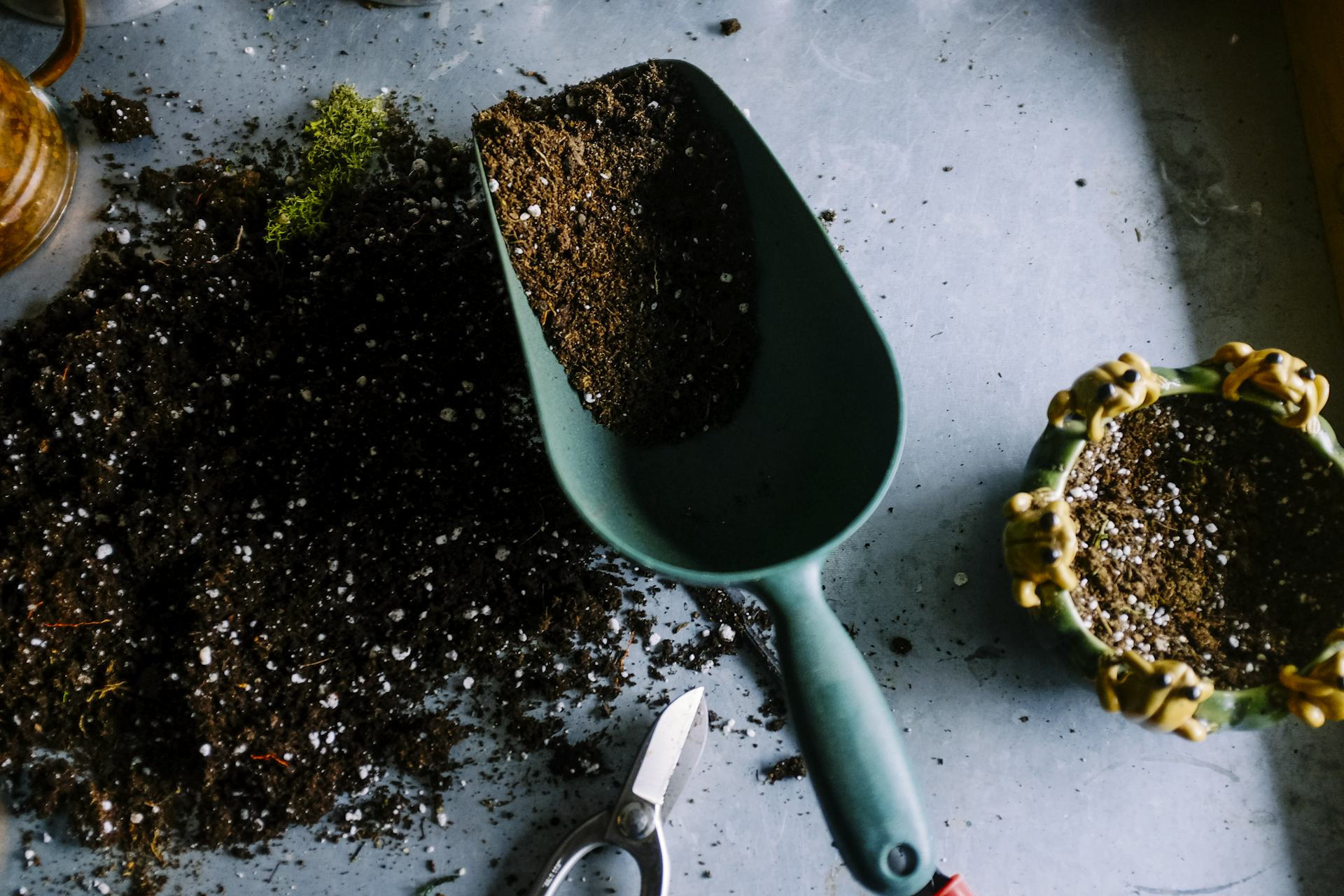
Working with soil in the garden isn’t just about helping plants grow – it’s also a hands-on learning experience for the whole family. When children take part in improving the soil, they learn about nature’s cycles, patience, and responsibility. They get their hands dirty and gain a real sense of where food and flowers come from. Here’s how you can turn soil improvement into a shared activity that nurtures both your garden and your children’s curiosity.
Why Healthy Soil Matters
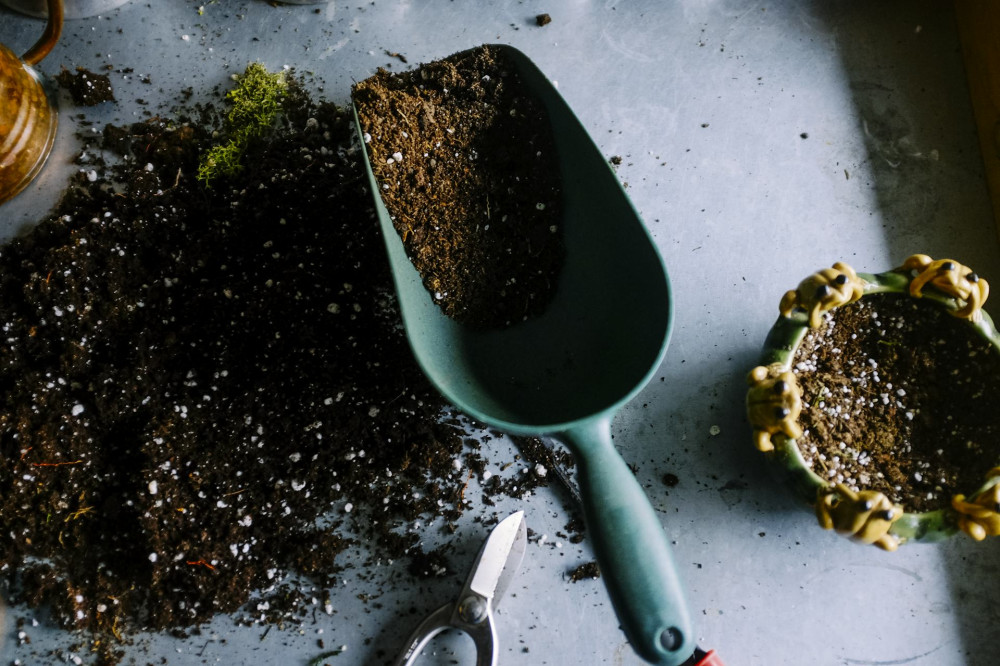
Healthy soil is the foundation of every thriving garden. It provides nutrients, holds moisture, and creates a home for beneficial organisms like earthworms and microbes. Over time, soil can become depleted, especially if the same crops are grown year after year. That’s why it’s important to add organic matter – such as compost, leaves, or manure – to maintain structure and fertility.
When kids help with this process, they see firsthand that nature needs care and attention. They learn how kitchen scraps can become food for new plants and how small changes in the soil can make a big difference in growth.
Make It Fun
For children, gardening should be about discovery and play. Soil improvement can easily become an adventure if you approach it creatively:
- Bring the soil to life: Let kids dig for earthworms and talk about why they’re important. Earthworms are nature’s little tillers, and children love finding them.
- Build your own compost bin: Use a wooden box or a corner of the yard. Kids can help sort vegetable scraps, leaves, and eggshells – and watch as it all slowly turns into rich soil.
- Explore textures and smells: Encourage kids to touch and smell different types of soil. Which one feels dampest? Which one smells most like the forest floor?
- Try a mini experiment: Plant two small pots – one with improved soil and one without – and let the kids observe the difference in growth. It’s a simple science project that sparks curiosity.
When children see that their efforts lead to visible results, their interest and sense of responsibility grow too.
Learn About Nature’s Cycle
Soil improvement is a perfect opportunity to talk about how nature recycles. Explain how plants take up nutrients, die back, and become part of the soil again. You can keep it simple: “When we put old leaves on the ground, they become food for worms – and the worms make soil that helps new plants grow.”
Kids quickly understand that nothing in nature goes to waste. It’s also a great way to introduce ideas about sustainability and recycling – concepts that become much more meaningful when experienced in real life.
Læs også:
Create Simple Garden Routines
To make soil improvement a natural part of family life, establish small routines that kids can join in:
- Collect kitchen scraps in a compost bucket.
- Rake leaves in the fall and use them as mulch in garden beds.
- Turn the compost pile every few weeks – a great physical task for older kids.
- Talk about how the soil changes from season to season.
When children have regular garden tasks, they feel like an important part of the process. It builds pride and ownership when they later see plants thriving in the soil they helped improve.
Lessons That Go Beyond the Garden
Involving kids in soil improvement isn’t just about better soil – it’s about helping them understand how everything in nature is connected. They learn that patience and care lead to results, and that even small actions can have a big impact.
At the same time, the family gets to spend quality time outdoors, slowing down and connecting through shared work. It’s learning that doesn’t require screens or textbooks – just hands working together in the earth.
Læs også: