Test the Light – Find the Right Lighting for Your DIY Project

Test the Light – Find the Right Lighting for Your DIY Project
Whether you’re building models, sewing, painting, soldering electronics, or working with wood, lighting plays a crucial role in both precision and enjoyment. The right light can make the difference between a project that feels frustrating and one that flows smoothly. Here’s a guide to help you test and choose the best lighting for your DIY workspace—so you can work comfortably and see every detail clearly.
Why Lighting Matters
When you work with your hands, your eyes are your most important tool. Poor lighting can cause eye strain, headaches, and mistakes because you’re constantly squinting to see details. On the other hand, a well-lit workspace keeps you energized and focused for longer periods.
Lighting also affects how you perceive color. If you paint, sew, or work with materials that need to match, it’s essential that your light source renders colors accurately. This depends on the Color Rendering Index (CRI)—the closer to 100, the more natural and true-to-life the colors will appear.
Choosing the Right Type of Light
There are many types of lighting, each with its own strengths. The best setup often combines several sources.
- LED task lamp – Provides bright, focused light that can be directed exactly where you need it. LEDs produce minimal heat and are energy-efficient.
- Overhead lighting – Ensures even general illumination throughout the room, reducing harsh shadows and contrast.
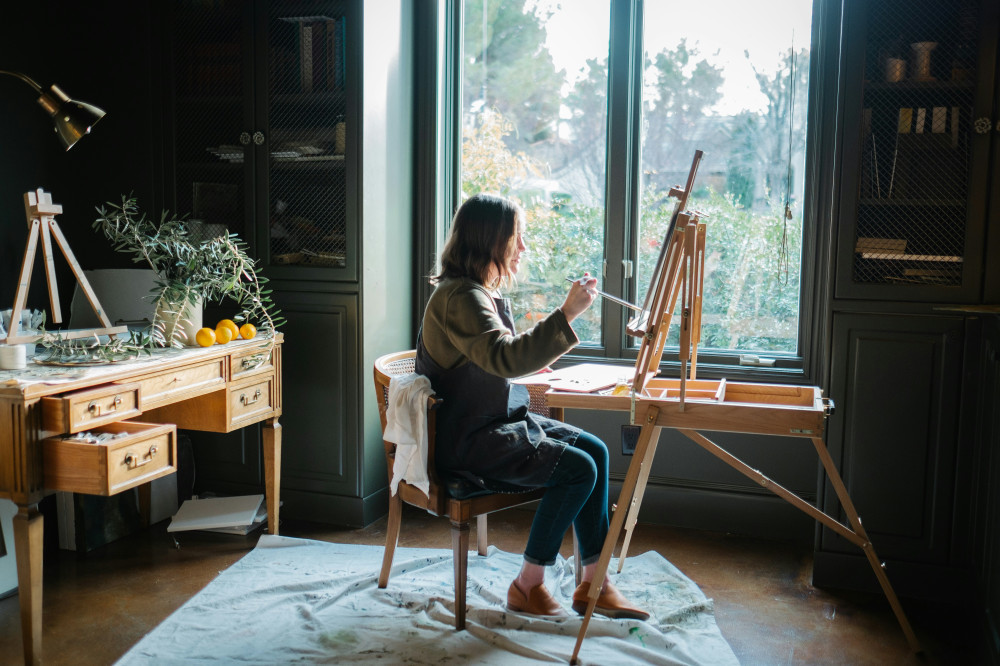
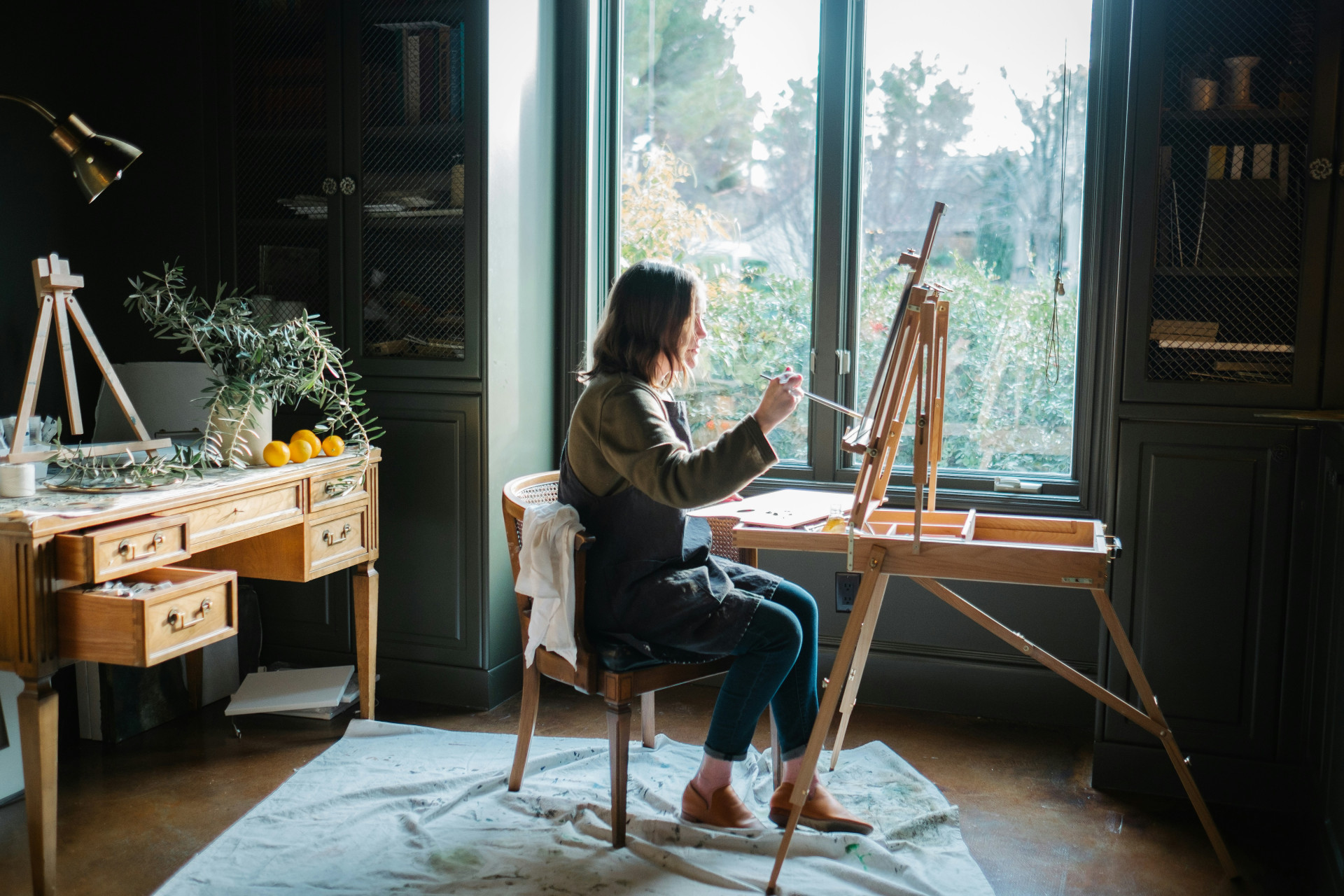
- Natural daylight – The gold standard for color accuracy, but it changes throughout the day. Position your worktable near a window if possible, but watch out for glare.
- Magnifying lamp – Perfect for small, detailed work like jewelry making, electronics, or model building. It combines light and magnification in one tool.
Think about how you use your space. If you both sew and paint, you may need flexible lighting that can be adjusted in direction and brightness.
Test the Light in Practice
Before committing to a lamp, test it in the actual conditions where you’ll be working. Here are a few simple ways to do that:
- Set up a trial arrangement – Place your lamps as you imagine them and work for about half an hour. Notice if you get shadows or if the light feels too harsh.
- Check color accuracy – Compare materials under your new light and in daylight. If they look very different, you may need a lamp with a higher CRI.
- Assess comfort – Pay attention to whether your eyes feel tired. Flickering or overly cool light can be fatiguing.
- Test adjustability – Can you easily change the direction and brightness? That flexibility is key if you work on different types of projects.
Color Temperature – Warm or Cool?
Color temperature, measured in kelvins (K), has a big impact on the mood and functionality of your workspace.
- 2700–3000 K (warm white) – Creates a cozy atmosphere but may be too yellow for precision work.
- 4000–4500 K (neutral white) – A balanced, daylight-like tone that works well for most hobbies.
- 5000–6500 K (cool white) – Offers maximum clarity and contrast, ideal for technical or detailed tasks.
Many modern lamps let you switch between color temperatures, so you can adapt the light to the time of day or the task at hand.
Læs også:



Avoid Shadows and Glare
Even the best light can be uncomfortable if it’s positioned poorly. Make sure the light comes from the side or at an angle in front of you—not directly behind, where you’ll cast shadows, or straight ahead, where it can cause glare.
If you use multiple light sources, position them so they complement each other. A combination of overhead lighting and a directional task lamp often gives the most comfortable result.
Energy Efficiency and Longevity
LED lighting is the go-to choice for most DIY spaces today. LEDs use up to 80% less energy than traditional bulbs and last many times longer. They also produce very little heat, which is a big plus when you’re working close to the light for extended periods.
Check that your lamp has a high CRI (90 or above) and doesn’t flicker—you can test this by filming it with your phone. If the video flickers, the light probably does too.
Create a Space You Love to Work In
Lighting isn’t just about function—it’s also about atmosphere. Your DIY space should be a place you enjoy spending time in. Think about how the light interacts with your room’s colors and layout. A warm background light can make the space inviting, while bright task lighting ensures accuracy.
With the right combination, you’ll have a workspace that both inspires and supports your creativity—whether you’re holding a paintbrush, a needle, or a soldering iron.
Læs også: