Prepare the Space Before You Set Up Your Hobby Room

Prepare the Space Before You Set Up Your Hobby Room
A hobby room can be your personal retreat—a place where you can dive into what you love, whether that’s painting, woodworking, sewing, music, or something entirely different. But before you start decorating or moving in your supplies, it’s important to prepare the space itself. A solid foundation will make it easier to create a functional, inspiring, and long-lasting hobby room that truly fits your needs. Here’s a guide to help you get started.
Start by Clearing Out and Assessing the Space
The first step is to get a clear picture of what you’re working with. Empty the room completely so you can see the walls, floor, and ceiling. This will help you spot any issues—like moisture, cracks, or poor lighting—that should be fixed before you begin setting up.
Once the room is cleared, take measurements and sketch a simple floor plan. This will help you visualize how to best use the space and plan for furniture, storage, and work areas later on.
Check Lighting, Electrical Outlets, and Ventilation
A comfortable hobby room depends on good technical conditions. Consider the following:
- Lighting: Make sure you have both bright task lighting and softer ambient light. If your hobby involves detailed work, natural light or LED bulbs with high color accuracy are ideal.
- Electrical outlets: Many hobbies require power for tools, sewing machines, computers, or lamps. Check that you have enough outlets and that they’re conveniently located. If not, consider hiring a licensed electrician to add more.
- Ventilation: If you’ll be using paints, adhesives, or other materials that produce fumes, proper ventilation is essential. A window fan, exhaust system, or air purifier can make a big difference.
Prepare Walls and Floors
Once the practical details are handled, it’s time to get the surfaces ready. Clean, durable finishes will make your hobby room both attractive and easy to maintain.
- Walls: Paint the walls in a color that suits your hobby. Light colors make the room feel open and reflect light well, while darker tones can create a calm, focused atmosphere.
- Flooring: Choose a floor that can handle wear and tear and is easy to clean. Vinyl, laminate, or sealed concrete are great options, especially if you’ll be working with messy materials.
- Sound: If your hobby involves music or noisy tools, consider soundproofing. Rugs, curtains, and acoustic panels can help reduce noise and make the space more pleasant.
Plan Storage and Work Zones
Before moving in furniture and equipment, think about how you’ll use the room. You might divide it into zones—for example, a workspace, a storage area, and a spot for relaxation or inspiration.
Use vertical space whenever possible. Wall-mounted shelves, pegboards, and cabinets make it easier to stay organized and keep your work surfaces clear. Efficient storage means less clutter and more room to create.
Læs også:


Think About Comfort and Well-Being
A hobby room should be practical, but it should also be a place you enjoy spending time in. Keep these factors in mind:
- Temperature: Make sure the room can be heated or cooled as needed. A small space heater, fan, or portable air conditioner can help maintain comfort year-round.
- Ergonomics: Choose a chair and worktable that fit your posture and the type of work you do.
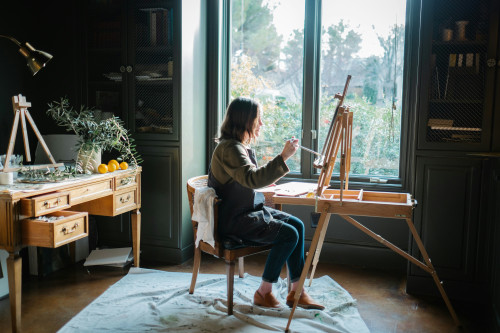
- Personal touches: Add elements that inspire you—artwork, plants, or music. These small details can make the space feel uniquely yours.
Take Your Time—and Do Things in the Right Order
It’s tempting to jump straight into decorating, but careful preparation pays off. Once you’ve handled lighting, electrical work, walls, and flooring, setting up the rest will be much easier and more enjoyable.
A great hobby room starts with a great foundation. When you take the time to prepare the space properly, you’ll end up with a room that supports your creativity and passion for years to come.
Læs også: