Small Mistakes, Big Energy Use: How to Prevent Waste in Your Home Appliances

Small Mistakes, Big Energy Use: How to Prevent Waste in Your Home Appliances
Even the most advanced home appliances can waste a surprising amount of energy if they’re not used or maintained properly. A loose door seal, a clogged filter, or a wrong temperature setting can quietly drive up your utility bills. The good news? A few small adjustments can make a big difference. Here’s how to keep your appliances running efficiently and your energy use under control.
Refrigerator and Freezer – Keep Temperatures and Seals in Check
Your refrigerator runs 24/7, so even minor issues can add up. Set your fridge temperature to around 37–40°F and your freezer to 0°F. Colder settings don’t make food last longer—they just make your energy bill higher.
Inspect the door gasket regularly. If it’s cracked or loose, cold air escapes and the compressor has to work harder. Try the paper test: close the door on a piece of paper—if it slides out easily, it’s time to replace the seal.
Dust buildup on the condenser coils (usually behind or underneath the fridge) also forces the motor to run longer. Vacuum or brush them off a couple of times a year to keep air flowing freely.
Dishwasher – Choose the Right Cycle
It’s tempting to pick the quick cycle, but that’s rarely the most efficient option. Eco or energy-saving cycles use lower temperatures and longer wash times, which overall consume less energy and water.
Always run full loads, but don’t overpack the racks—crowding prevents proper cleaning and may lead to running another cycle. Clean the filter regularly to prevent clogs that make the pump work harder.
If your utility offers time-of-use rates, consider running the dishwasher overnight or during off-peak hours when electricity is cheaper.
Læs også:

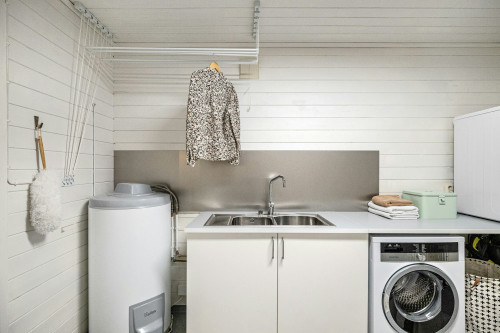
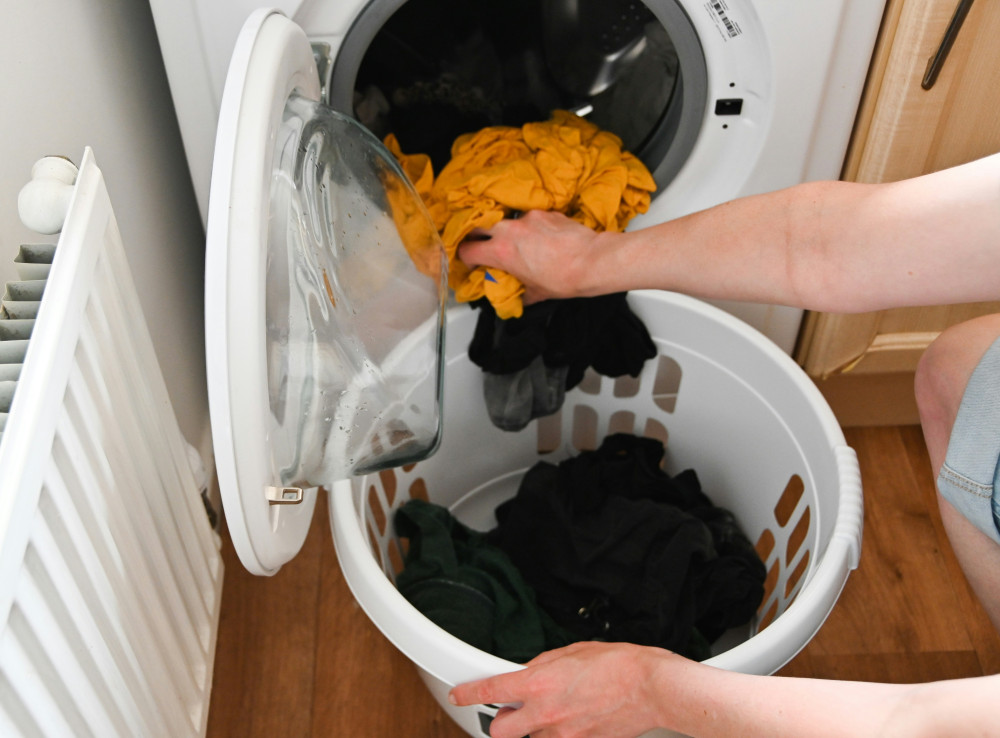
Washing Machine – Lower Temperatures, Smarter Loads
Most laundry comes out clean at cold or warm settings (around 86–104°F). Modern detergents are designed to work well in cooler water, and washing at 140°F can use nearly twice as much energy as a warm cycle.
Think before you wash—many clothes can be aired out instead of washed. Fewer loads mean less wear on both your clothes and your machine.
Use the right amount of detergent. Too much soap creates excess suds, which can trigger extra rinse cycles. Clean the detergent drawer and filter regularly to keep the machine running efficiently.
Dryer – The Hidden Energy Hog
Clothes dryers are among the biggest energy users in the home. Whenever possible, air-dry your laundry, especially in warm or dry weather—it’s free and gentler on fabrics.
When you do use the dryer, spin clothes thoroughly in the washer first to remove as much water as possible. Clean the lint filter after every load, and check the vent hose periodically to ensure good airflow.
If you’re shopping for a new model, consider a heat pump dryer. It can use up to 50% less energy than a conventional one.
Stove and Oven – Small Habits, Big Savings
Cooking habits can make a real difference. Use lids on pots and pans to trap heat and reduce cooking time. Match pot size to burner size—a small pan on a large burner wastes heat.
In the oven, you can often turn it off 5–10 minutes early and let residual heat finish the job. Use the convection (fan) setting when possible—it circulates hot air, allowing you to cook multiple dishes at once. And resist opening the oven door too often; each peek can drop the temperature by 25°F or more.
Maintenance and Replacement – Think Long-Term
Even with perfect care, older appliances can’t match the efficiency of newer models. If your major appliances are over 10–15 years old, it may be time to upgrade. Look for the ENERGY STAR® label, which indicates models that meet strict efficiency standards.
When buying new, consider not just the purchase price but also lifetime energy costs. A slightly more expensive, energy-efficient model can pay for itself through lower utility bills.
Small Habits, Big Impact
Saving energy isn’t just about technology—it’s about daily habits. Turn off appliances when not in use, clean filters and vents, and pay attention to unusual noises or temperature changes. These small routines can add up to big savings—for your wallet and for the planet.
Læs også: