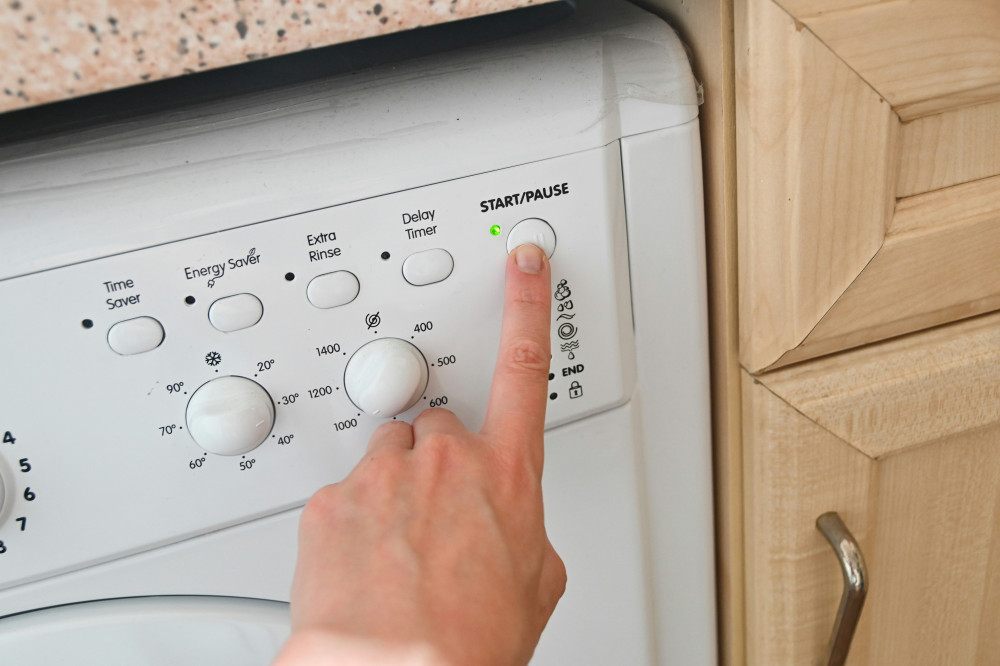
Avoid Overloading – Extend the Lifespan of Your Appliances

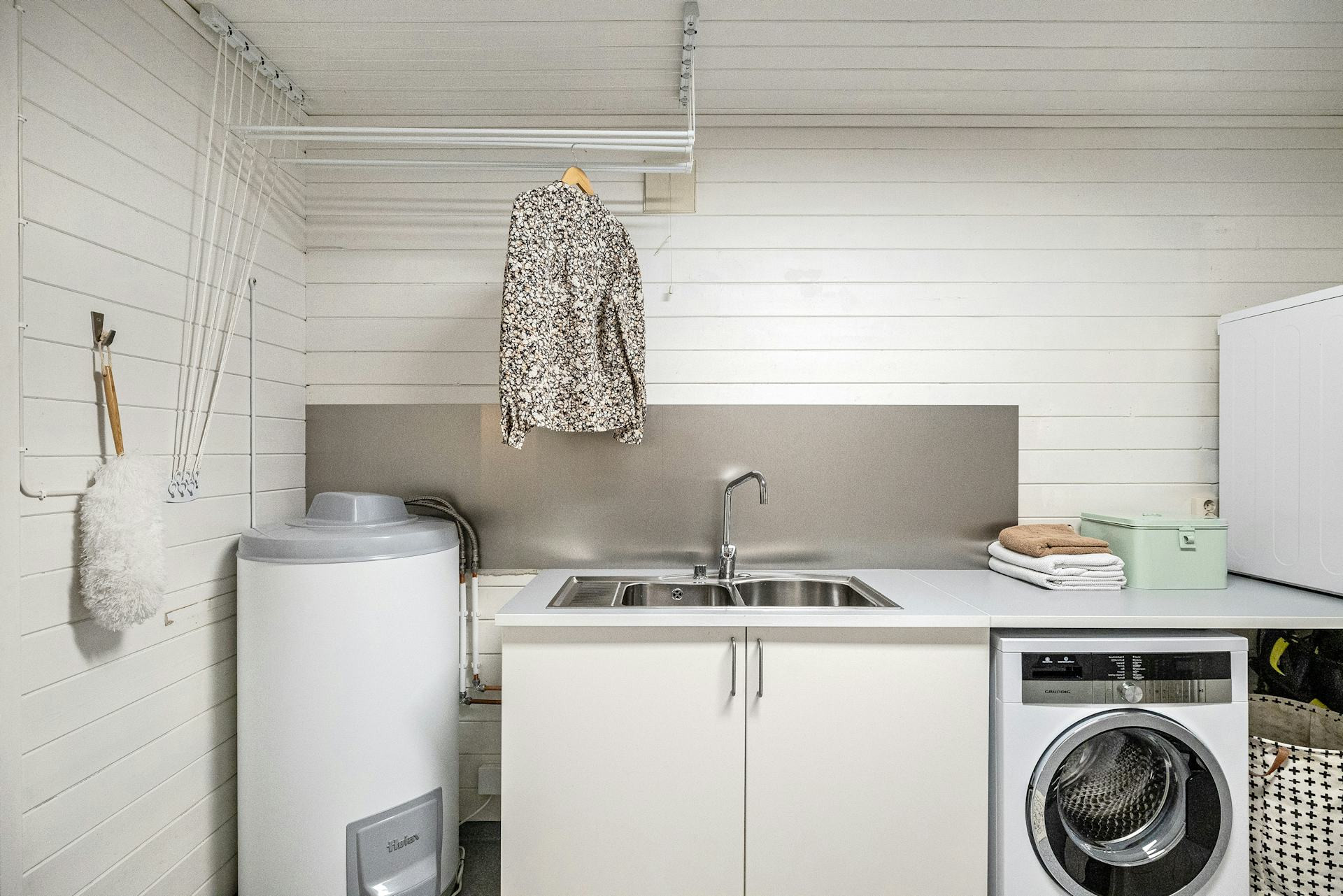
Avoid Overloading – Extend the Lifespan of Your Appliances
Home appliances are the backbone of modern living — they wash, dry, cool, and clean for us every day. But because they work so hard, they’re also prone to wear and tear. Many breakdowns aren’t caused by manufacturing defects but by improper use or lack of maintenance. With a little care, you can save money, reduce energy use, and make your appliances last longer. Here’s how to avoid overloading and get the most out of your household machines.
Know Your Appliance’s Capacity
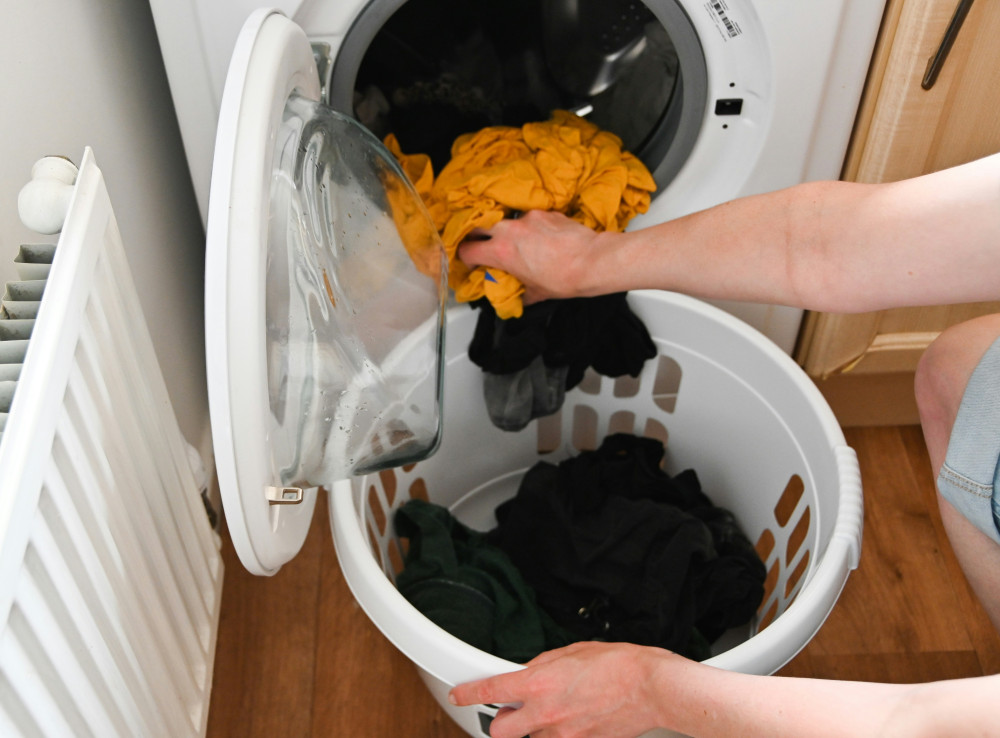
One of the most common causes of appliance failure is overloading. This is especially true for washing machines, dryers, and dishwashers. When you pack too much in, the motor has to work harder, which puts stress on belts, bearings, and other components.
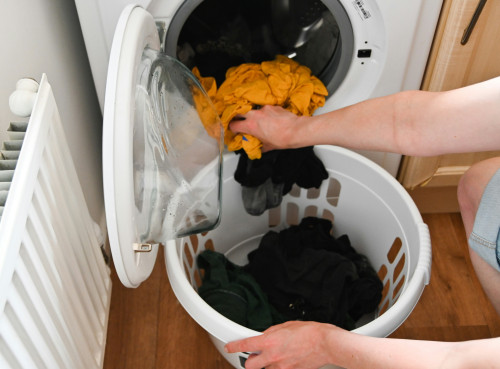
- Washing machine: Fill the drum so there’s still room for your hand on top of the clothes. Too much laundry means poor cleaning and unnecessary strain.
- Dryer: Overloading extends drying time and can cause overheating.
- Dishwasher: Overfilled racks prevent water from reaching all surfaces — you may end up running another cycle.
Always check the user manual for the recommended capacity. It’s a small step that can prevent costly repairs.
Cleaning – The Overlooked Lifespan Booster
Dust, mineral buildup, and grease are hidden enemies of your appliances. They make motors work harder, heating elements less efficient, and sensors more likely to fail.
- Refrigerator and freezer: Vacuum the condenser coils on the back or underneath a couple of times a year. This improves cooling efficiency and reduces energy use.
- Washing machine: Run an empty hot cycle with a washing machine cleaner or a bit of white vinegar once a month to remove detergent residue and bacteria.
- Dishwasher: Clean the filter regularly and use a dishwasher cleaner to prevent grease buildup.
- Dryer: Empty the lint trap after every load — it’s essential for both safety and performance.
These small habits can add years to your appliances’ lifespan.
Læs også:

Avoid Unnecessary Strain
Appliances don’t just wear out from use — they wear out from misuse. Here are some common mistakes you can easily avoid:
- Don’t let machines run unnecessarily: Turn off standby modes and avoid leaving appliances on when not in use.
- Use the right settings: Quick cycles may seem convenient, but they’re not always the most efficient or gentle.
- Ensure proper placement: Leave space around your refrigerator or freezer so heat can escape.
- Prevent vibration: A washing machine that isn’t level wears out faster. Use a level and adjust the feet so it stands firmly.
Using your appliances as intended helps prevent unnecessary strain and extends their life significantly.
Energy Efficiency and Longevity Go Hand in Hand
When appliances run efficiently, they use less energy — and that also means less wear. A machine that constantly compensates for clogged filters, mineral buildup, or overloading consumes more power and wears out faster.
Consider whether it’s time to replace older models. New ENERGY STAR® certified appliances often use less electricity and water while being gentler on internal components. It’s an investment that pays off over time.
Maintenance and Service – Prevent Problems Before They Start
Even the best appliances need a checkup now and then. Many manufacturers recommend a service inspection every two or three years, especially for major appliances like washers and dryers. A technician can spot early signs of trouble before they turn into expensive repairs.
If you notice unusual noises, vibrations, or longer cycle times, it’s a sign something isn’t working properly. Don’t ignore it — addressing issues early can prevent bigger problems later.
Simple Habits, Big Impact
Taking care of your appliances isn’t about using them less — it’s about using them smarter. By following a few simple habits, you can extend their lifespan and improve performance:
- Clean and maintain regularly.
- Avoid overloading.
- Use the correct settings.
- Ensure proper ventilation and placement.
- Schedule service before problems escalate.
These small efforts take only a few minutes each week but can save you money, frustration, and energy — while keeping your home running smoothly for years to come.
Læs også: