Multifunctional Spaces: How to Make Your Closet Work

Multifunctional Spaces: How to Make Your Closet Work
In many American homes, the closet is no longer just a place to hang coats or stash shoes. It’s becoming a multifunctional space that can serve as storage, a dressing area, a laundry station, or even a compact home office. When square footage is limited, creativity and smart organization are key. Here’s how to make your closet work—both practically and beautifully.
Start by Defining the Closet’s Purpose
Before you start rearranging or buying new storage systems, think about what you really need the space to do. Is it primarily for clothes and accessories? Do you want it to double as a linen closet, a craft nook, or a mini mudroom? The clearer your goals, the easier it will be to design a layout that fits your lifestyle.
Make a list of what needs to be stored—seasonal clothing, shoes, handbags, cleaning supplies, or workout gear. This helps you determine how much space each category requires and what kind of storage solutions will work best.
Læs også:
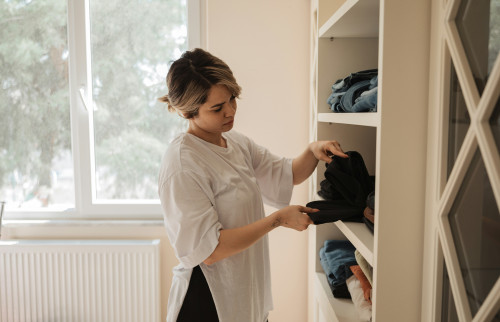

Use Vertical Space and Create Zones
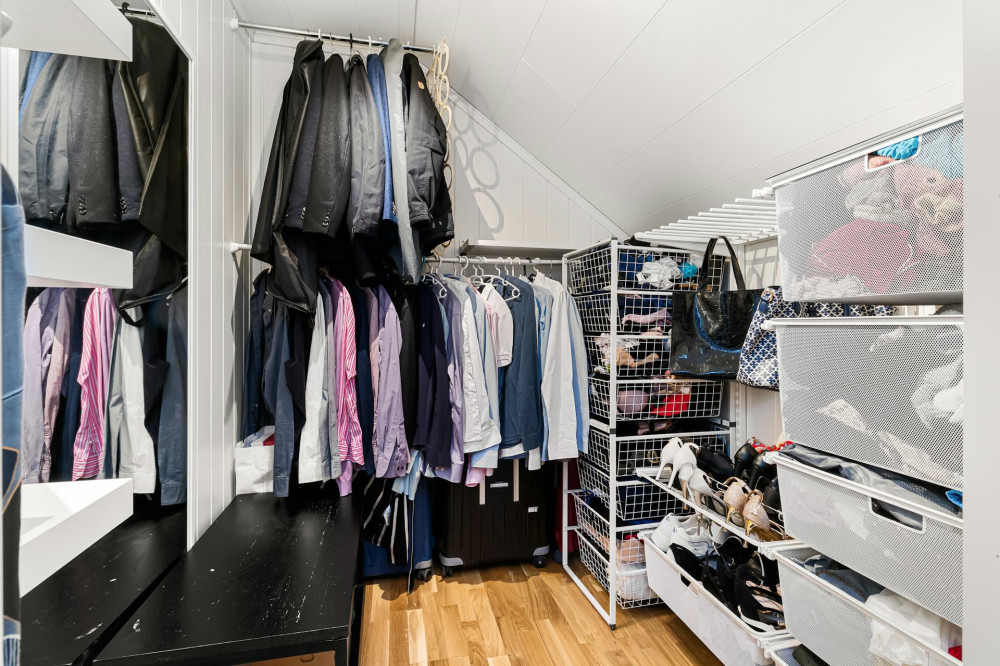
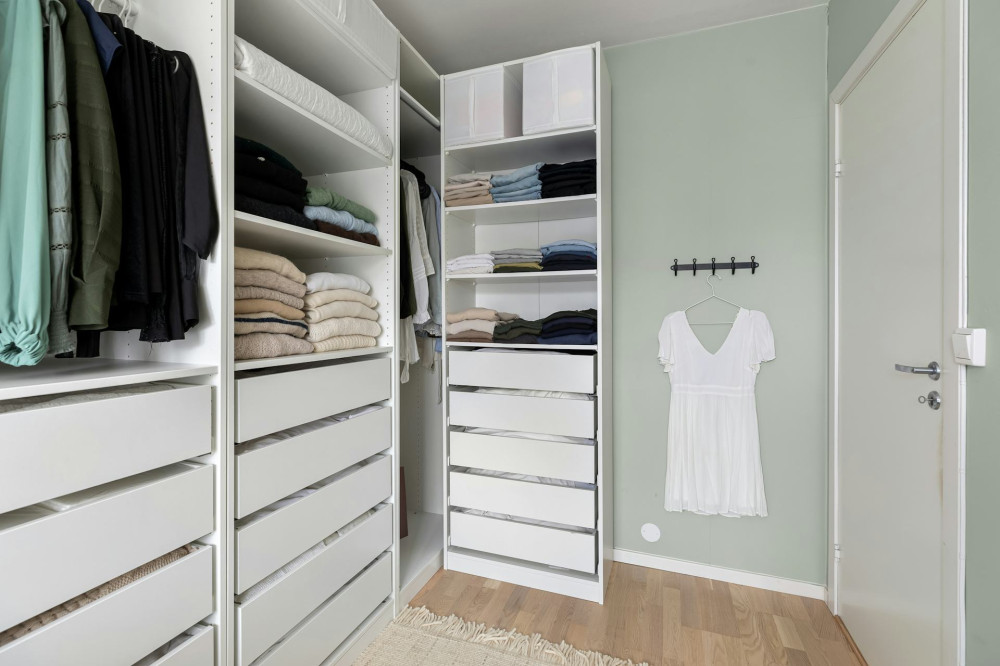
In small or narrow closets, every inch counts. Take advantage of the full height of your walls with tall shelving, hanging rods at multiple levels, and hooks for accessories. Think in zones: one for everyday items, one for seasonal storage, and one for things you rarely use.
- Top zone: Ideal for luggage, holiday decorations, or off-season clothing.
- Middle zone: Keep your most-used items—jackets, shoes, and bags—within easy reach.
- Bottom zone: Perfect for drawers, baskets, or shoe racks.
Zoning helps you stay organized and makes it easier to maintain order over time.
Build Flexibility with Modular Systems
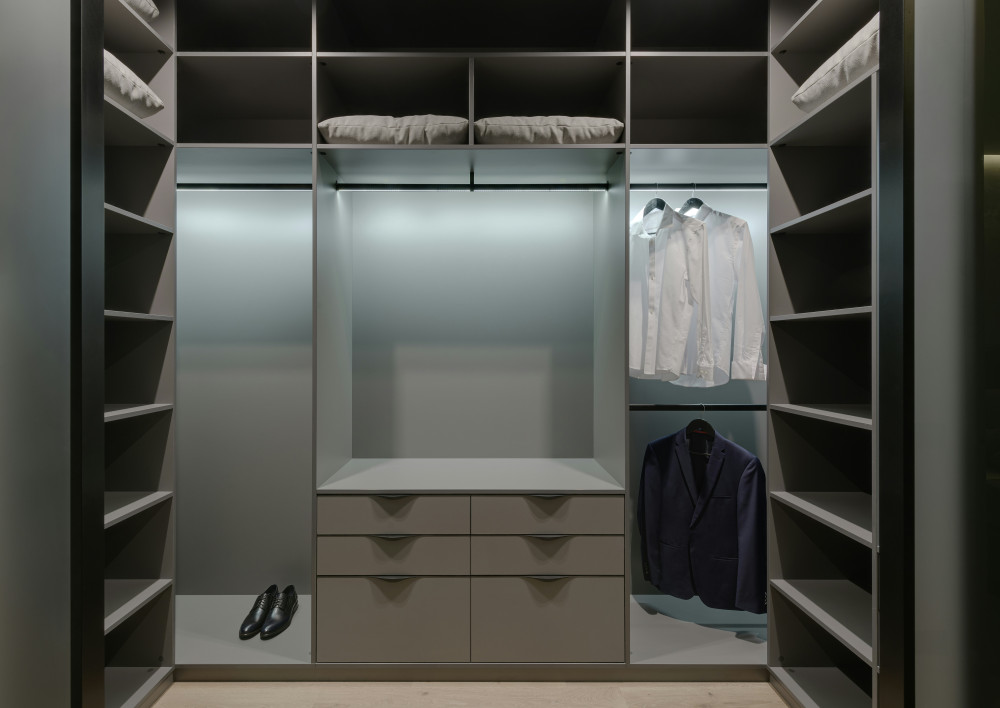
A closet that adapts to your changing needs is one that will serve you for years. Modular systems—like adjustable shelves, stackable bins, and customizable hanging units—allow you to reconfigure the space as your lifestyle evolves.
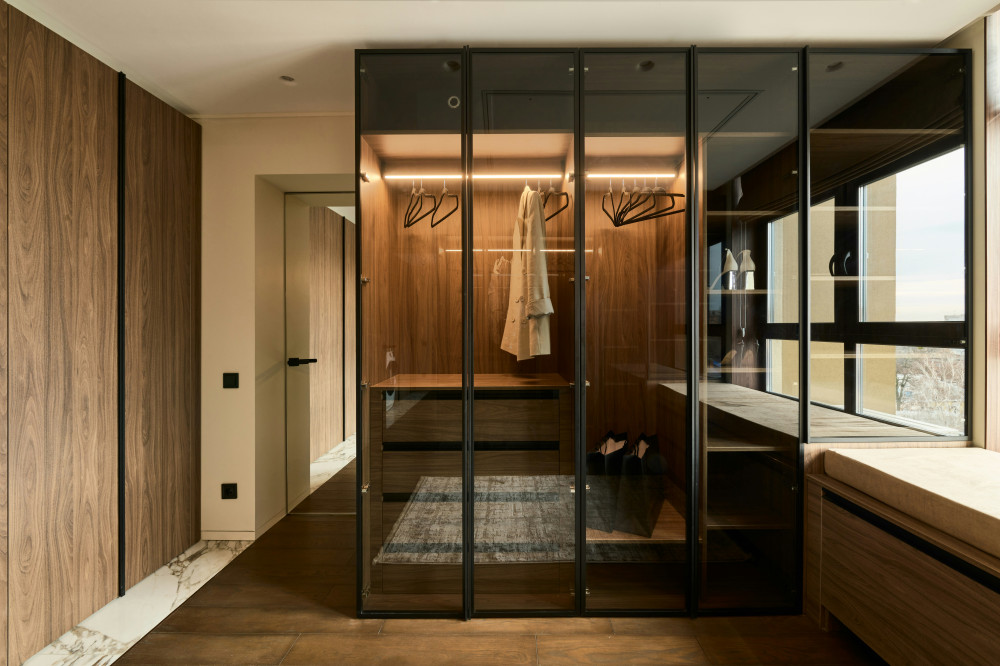
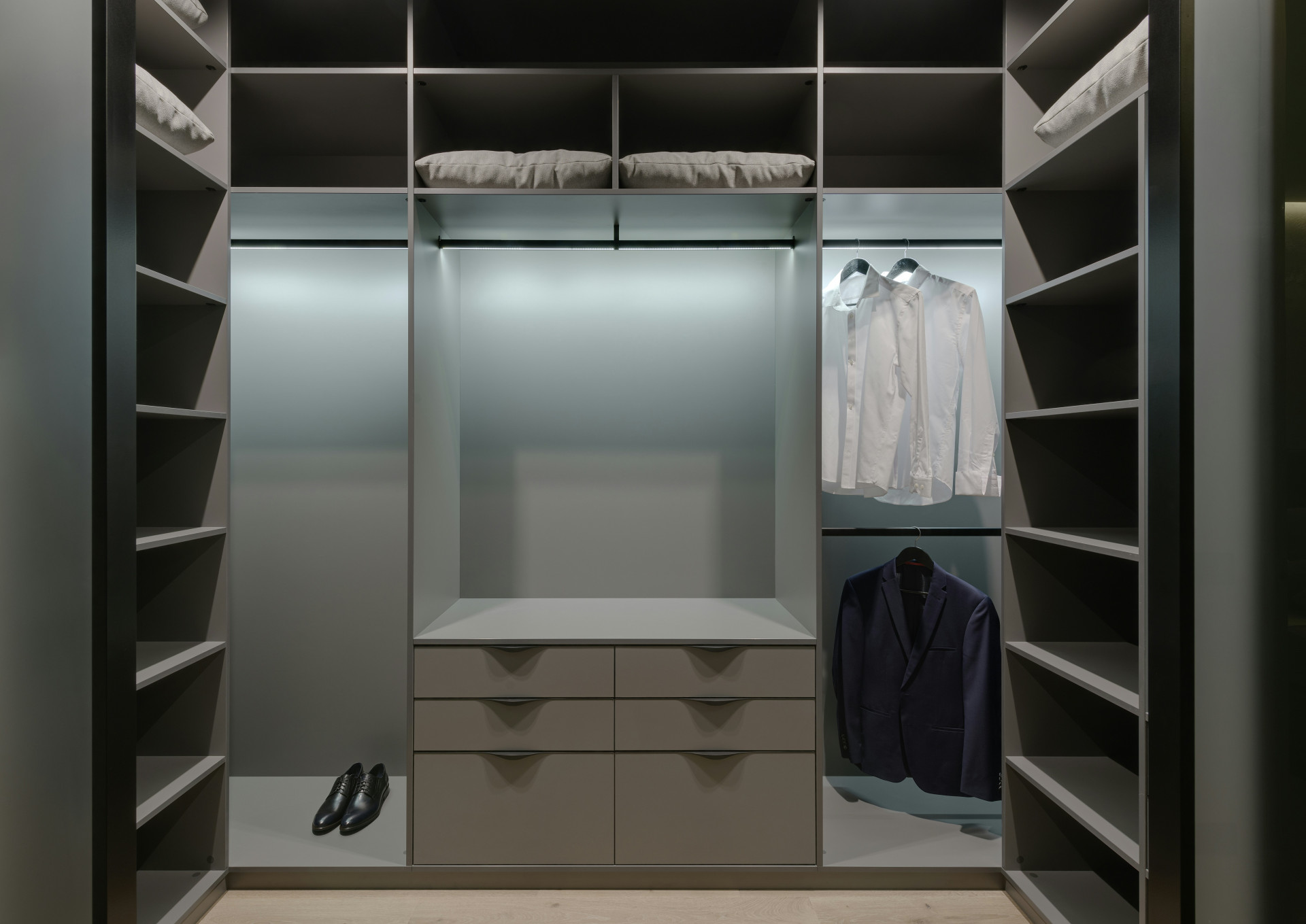
Combine open and closed storage: open shelves for items you use daily, and drawers or cabinets for things you’d rather keep out of sight. This balance keeps the space functional while maintaining a clean, cohesive look.
Light and Mirrors Make All the Difference
Good lighting can transform a closet from a dark storage corner into a welcoming, usable space. Many people overlook this step, but it’s essential for both practicality and atmosphere.
Install a mix of overhead lighting and task lighting—LED strips inside cabinets, motion-sensor lights, or spotlights above a mirror. A large mirror not only helps you get ready but also reflects light, making the space feel larger and brighter.
Multifunctional Furniture and Smart Details
When space is tight, furniture that serves more than one purpose is a game-changer. A storage bench provides a place to sit while putting on shoes and hides extra items underneath. Wall-mounted racks with shelves above make the most of vertical space.
Small details can also make a big impact:
- Use matching hangers for a tidy, uniform look.
- Divide drawers with boxes or trays to keep small items organized.
- Add a small whiteboard or calendar if your closet doubles as a family “launch zone” for busy mornings.
Make It Part of Your Home’s Style
Even though a closet is primarily functional, it can still reflect your home’s personality. Choose colors, materials, and hardware that complement your overall décor—whether that’s modern minimalism, cozy farmhouse, or bold eclectic.
A rug, a plant, or a piece of wall art can make the space feel more inviting and connected to the rest of your home, turning it from a simple storage area into a thoughtfully designed room.
A Closet That Works for You
A well-organized closet isn’t just about storage—it’s about creating order and ease in your daily routine. When everything has its place, mornings run smoother, and tidying up becomes effortless.
By thinking multifunctionally, maximizing every inch, and designing a space that’s both practical and pleasant, you’ll have a closet that truly works for you—not against you.
Læs også: