Minimalist Wardrobe with Modular Design

Minimalist Wardrobe with Modular Design
A wardrobe doesn’t have to be large to be functional. With a modular design, you can create a flexible and stylish storage solution that fits your home and lifestyle perfectly. Minimalism isn’t just about owning less—it’s about choosing intentionally, both in what you wear and how you store it. Here’s how to design a minimalist wardrobe that brings function, flexibility, and calm to your everyday life.
What Is Modular Design?
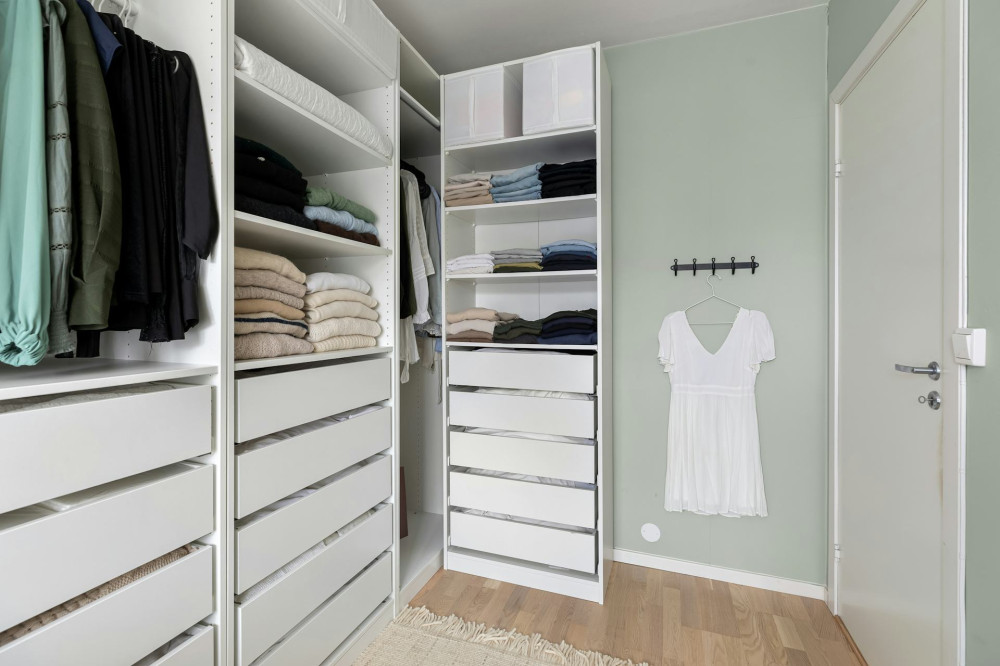
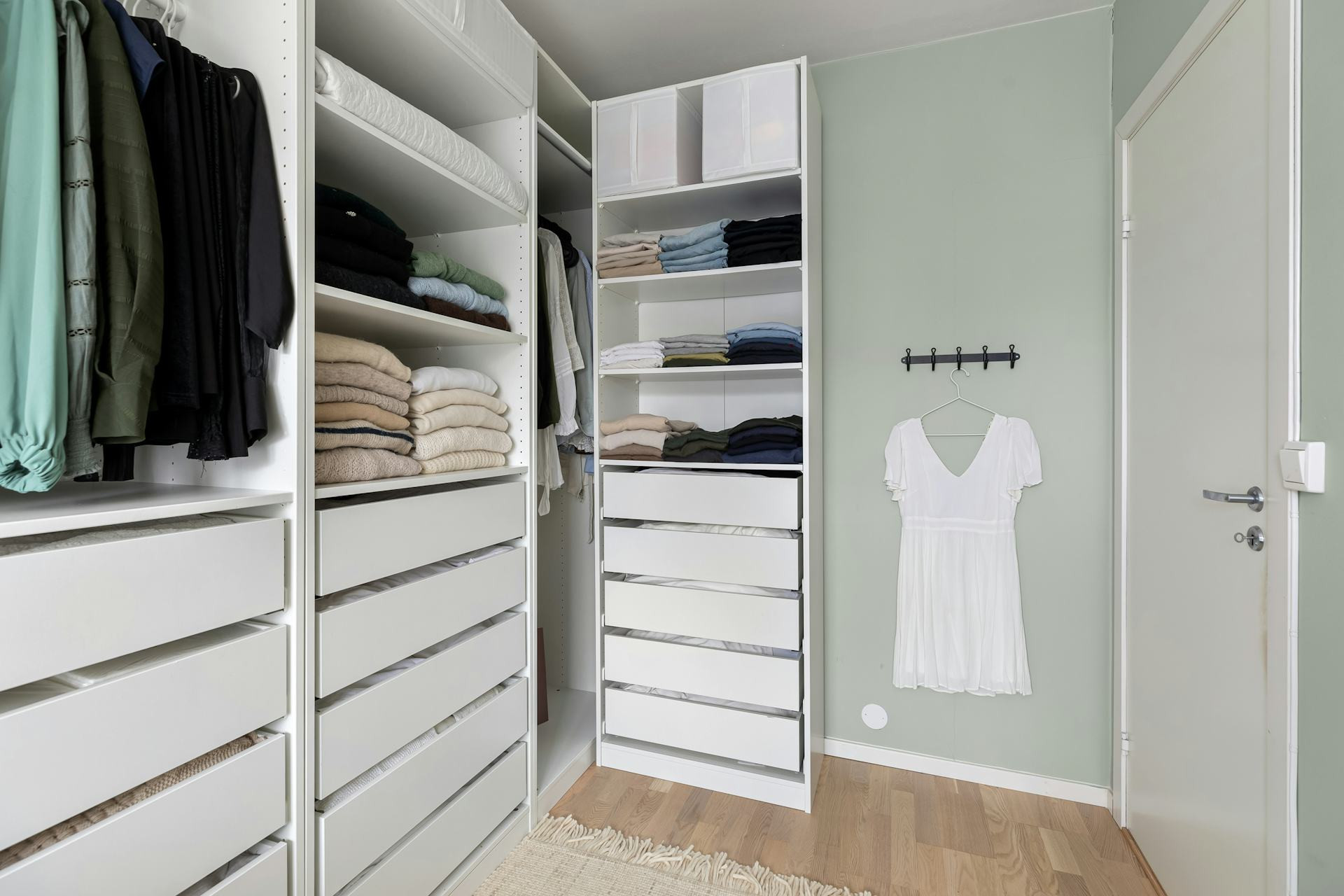
A modular design is built from individual components that can be combined and rearranged as needed. In a wardrobe, this means you can mix and match shelves, drawers, rods, and cabinets in different sizes and configurations—and adjust them later if your needs change.
The advantage is freedom. You can start small and expand over time, or reconfigure your wardrobe if you move or your space changes. This makes modular systems both sustainable and cost-effective in the long run.
Minimalism as a Design Principle
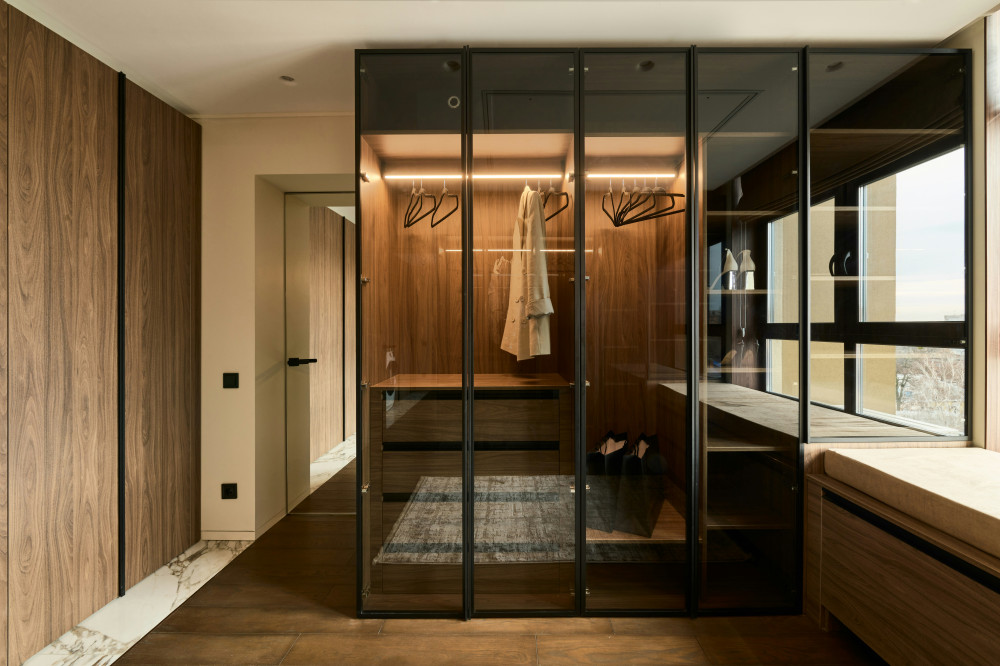
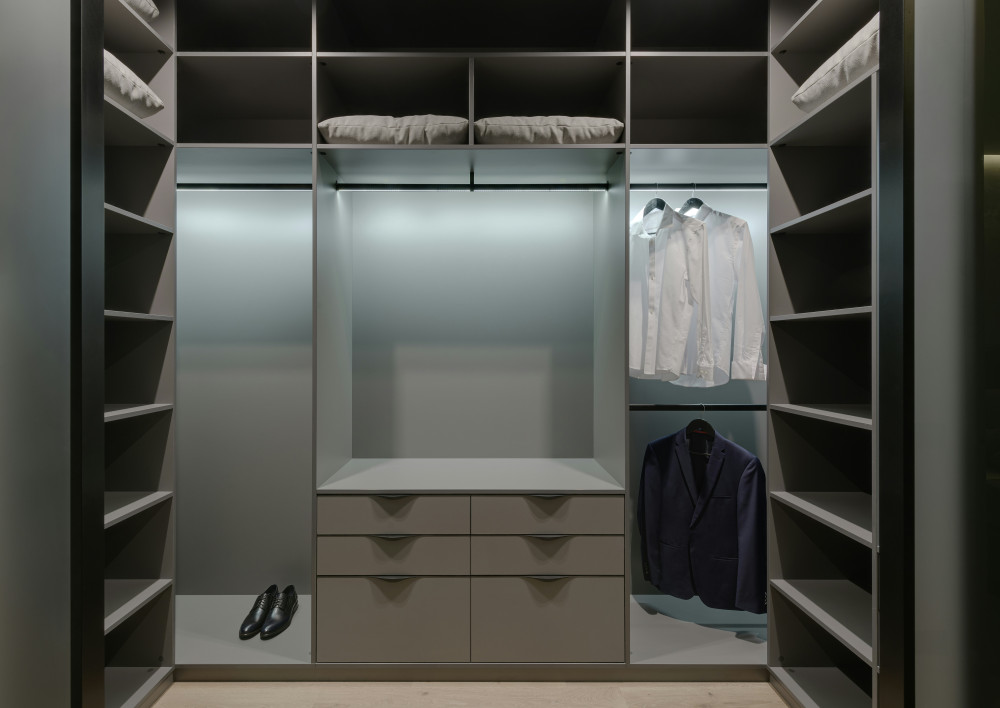
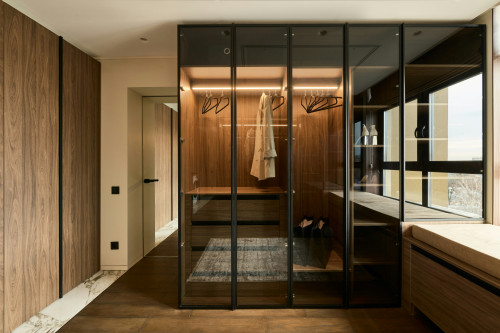
Minimalism in your wardrobe is about creating clarity and calm. It doesn’t mean everything has to be white or uniform, but rather that you choose materials and colors that support a clean, cohesive look. Think simple lines, subtle details, and practical solutions.
A minimalist aesthetic can be achieved with:
- Neutral tones such as white, gray, beige, or natural wood.
- Hidden handles or push-to-open mechanisms for a sleek appearance.
- Consistent materials—for example, using the same wood finish or laminate throughout.
- A mix of open and closed sections to balance display and storage.
When the design is simple, it’s easier to stay organized—and the visual calm contributes to a more peaceful space.
Plan According to Your Needs
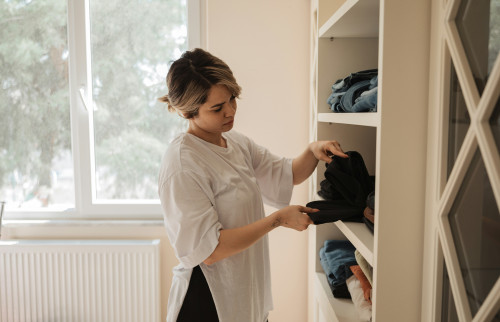
Before choosing modules, take stock of what you actually need to store. Many people discover they own far more clothing than they use. A minimalist wardrobe starts with decluttering.
Sort your clothes into categories: keep, donate, and store seasonally. Once you know what you truly wear, you can plan your wardrobe more precisely:
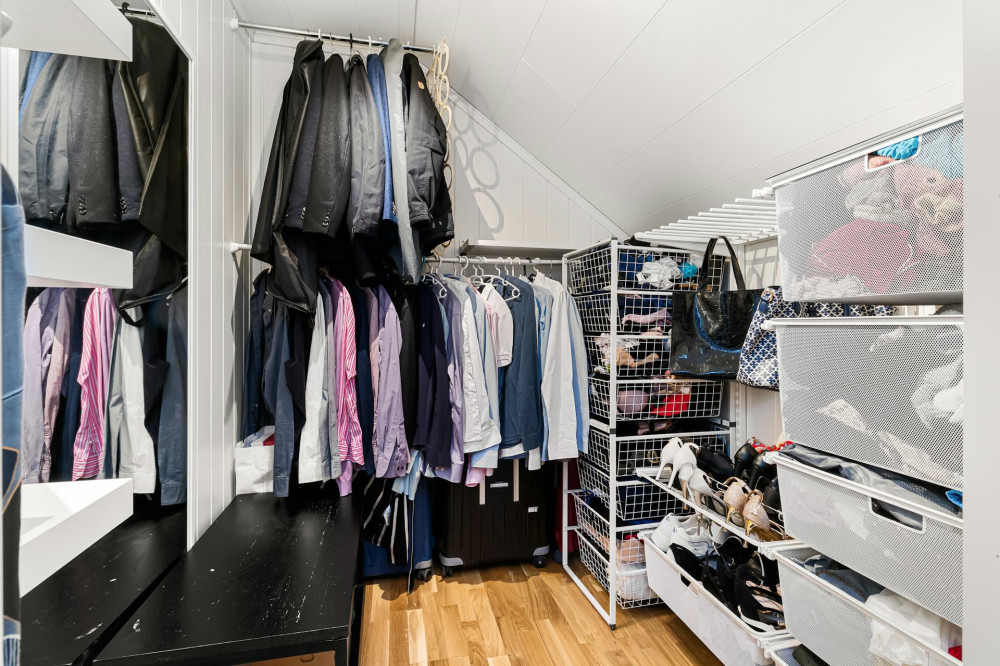
- Hanging clothes: How much space do you need for shirts, dresses, and jackets?
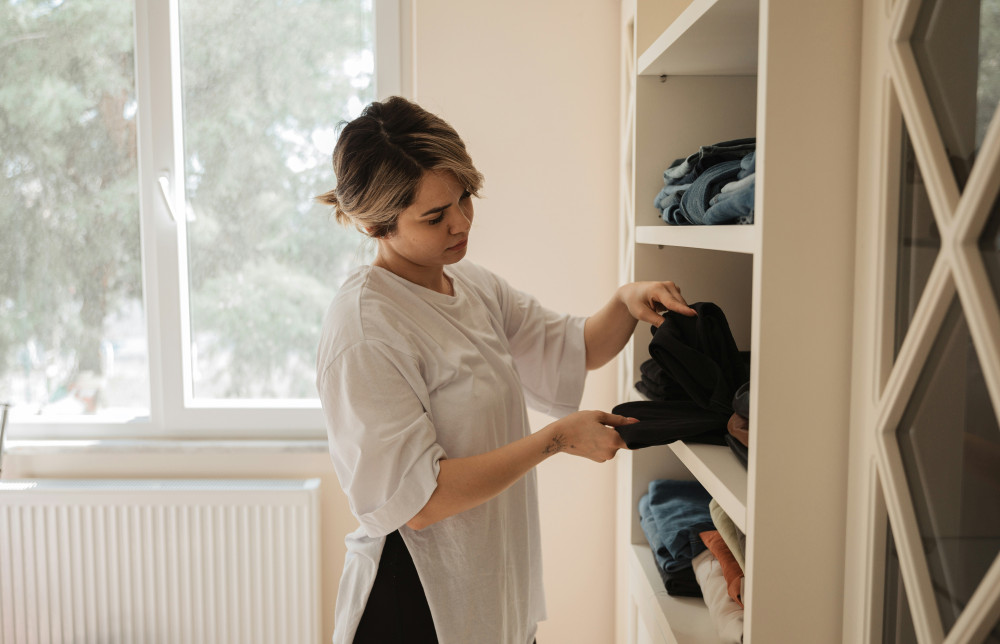
- Folded clothes: How many shelves or drawers will you use?
- Accessories: Do you need compartments for shoes, bags, or jewelry?
By designing around your real habits, you avoid overbuilding—and end up with a wardrobe that feels light and manageable.
Læs også:

Flexibility for the Future
A modular wardrobe can grow and change with you. Maybe you live in an apartment now but will have more space later. Or perhaps your lifestyle shifts, and you need more room for workout gear and less for office wear.
Choose systems that allow you to move, replace, or add modules. Many brands offer standardized dimensions that can be mixed and matched, so you can adapt your setup without starting from scratch.
This flexibility also makes cleaning and maintenance easier—you can remove individual parts, repaint, or replace fronts without rebuilding the entire wardrobe.
Materials and Sustainability
Minimalism and sustainability go hand in hand. When you choose fewer but higher-quality materials, you create a wardrobe that lasts longer and ages beautifully. Consider:
- Solid wood or FSC-certified veneers for a natural look.
- Recycled materials such as eco-friendly MDF or composite panels.
- Durable hardware and hinges that withstand daily use.
A modular system also allows you to replace single components instead of the whole unit if something breaks—an important aspect of sustainable design.
Bringing Calm to Everyday Life
A well-organized wardrobe does more than save space—it saves time and mental energy. When everything has its place, it’s easier to get dressed, stay tidy, and avoid impulse purchases. That’s the essence of a minimalist lifestyle: making daily life simpler and more intentional.
Try small routines, like a monthly tidy-up or rotating your seasonal clothes. These habits keep your wardrobe fresh and manageable—and help you maintain that minimalist balance over time.
A Wardrobe That Grows With You
A modular wardrobe isn’t just a practical solution—it’s an investment in flexibility and peace of mind. It adapts to your home, your style, and your changing needs. With a minimalist design, you create a space that’s both functional and beautiful, supporting a lifestyle with fewer distractions and more focus on what truly matters.
Læs også: