Living Room Ambient Lighting – The Key to a Harmonious Light Environment

Living Room Ambient Lighting – The Key to a Harmonious Light Environment
Lighting in the living room has a greater impact than many realize. It shapes the atmosphere, supports functionality, and influences our sense of comfort. Ambient lighting – the general illumination that forms the foundation for all other light sources – is essential for creating a harmonious light environment. Without it, even the most stylish lamps or carefully chosen décor can appear flat or unbalanced. Here’s a guide to designing comfortable and flexible ambient lighting for your living room.
What Is Ambient Lighting?
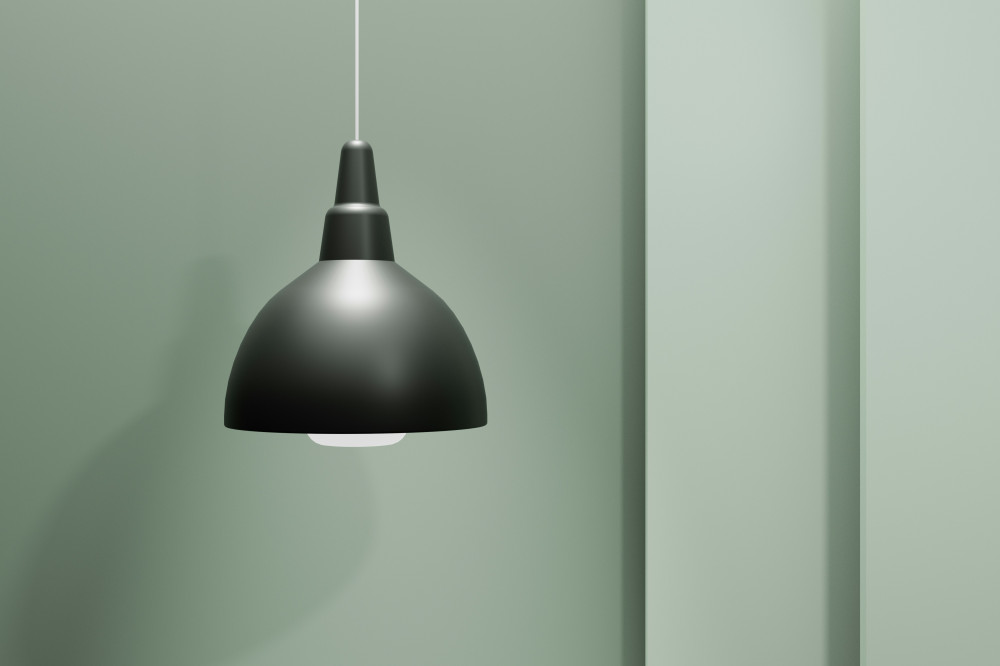
Ambient lighting is the overall, evenly distributed light that ensures the entire room is illuminated. It provides a comfortable level of brightness so you can move around safely and use the space without needing to turn on multiple lamps. Typically, ambient light comes from ceiling fixtures such as flush mounts, recessed lights, or pendant lamps, but it can also be created with indirect light reflected off walls or ceilings.
The goal isn’t to create mood lighting on its own, but to establish a neutral base that you can build upon with other light layers.
Choosing the Right Type of Lighting
There are many ways to achieve ambient lighting, and the best choice depends on your room’s size, ceiling height, and layout.
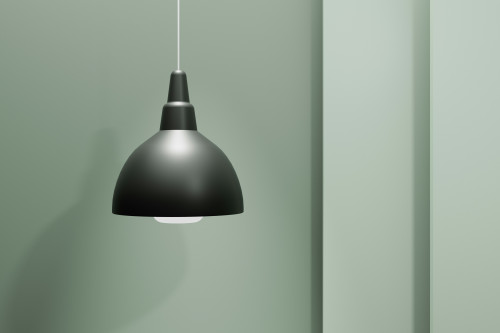
- Ceiling fixtures and pendants provide a central light source that spreads evenly throughout the room. They work well in living rooms with a clear focal point, such as a coffee table or seating area.
- Recessed lighting is ideal for modern spaces where a clean, unobtrusive look is desired. When placed strategically, it distributes light evenly without glare.
- Wall sconces and uplights can reflect light off walls or ceilings, creating a softer, more diffused glow. This approach is especially effective in rooms with lower ceilings, where direct light can feel harsh.
A combination of several types often yields the best results – both functionally and aesthetically.
Color Temperature and Brightness
When selecting bulbs, consider both color temperature and brightness. For living rooms, warm white light – typically around 2700–3000 Kelvin – creates a cozy, inviting atmosphere similar to natural evening light.
Brightness should be sufficient to illuminate the entire space without feeling clinical. A good rule of thumb is to aim for 10–15 lumens per square foot as a baseline for ambient lighting. Dimmable bulbs are a great option, allowing you to adjust the light level to suit different activities and moods.
Layering Light for Balance
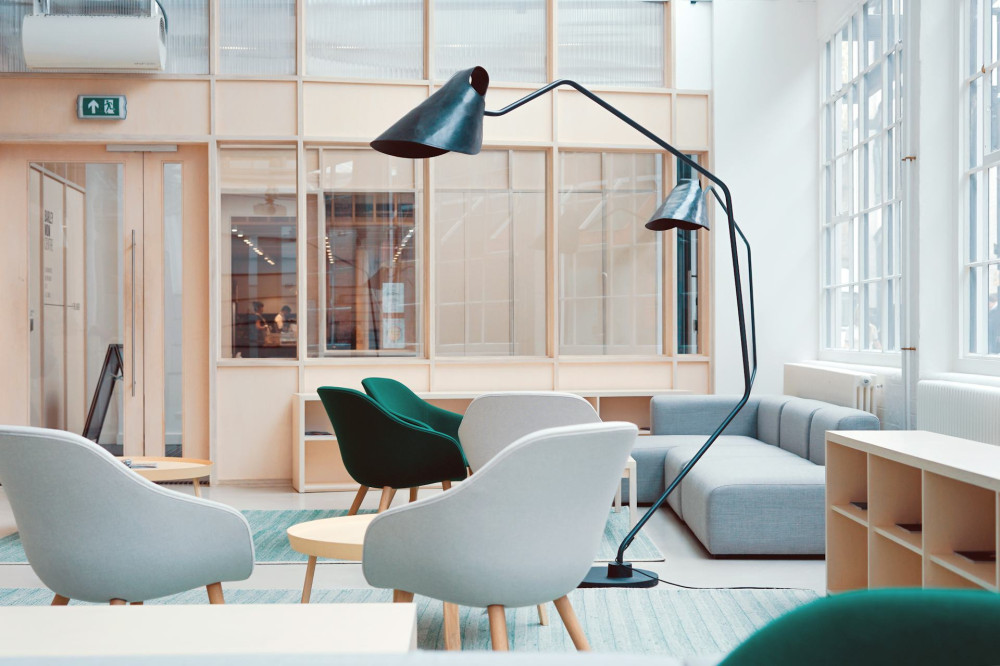
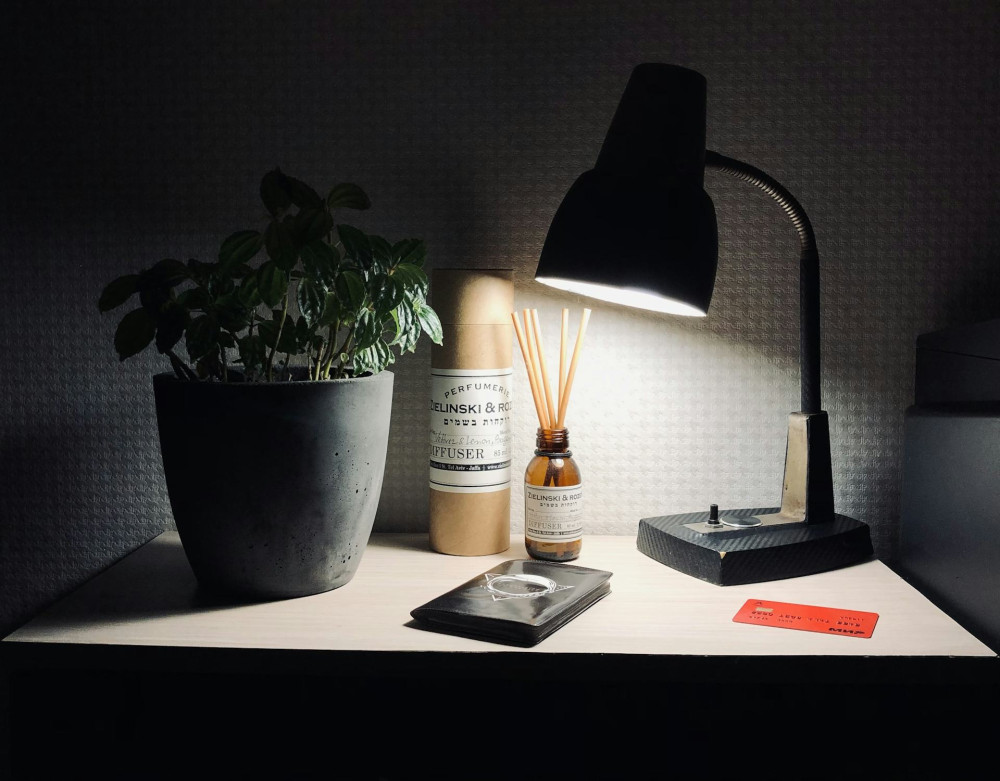
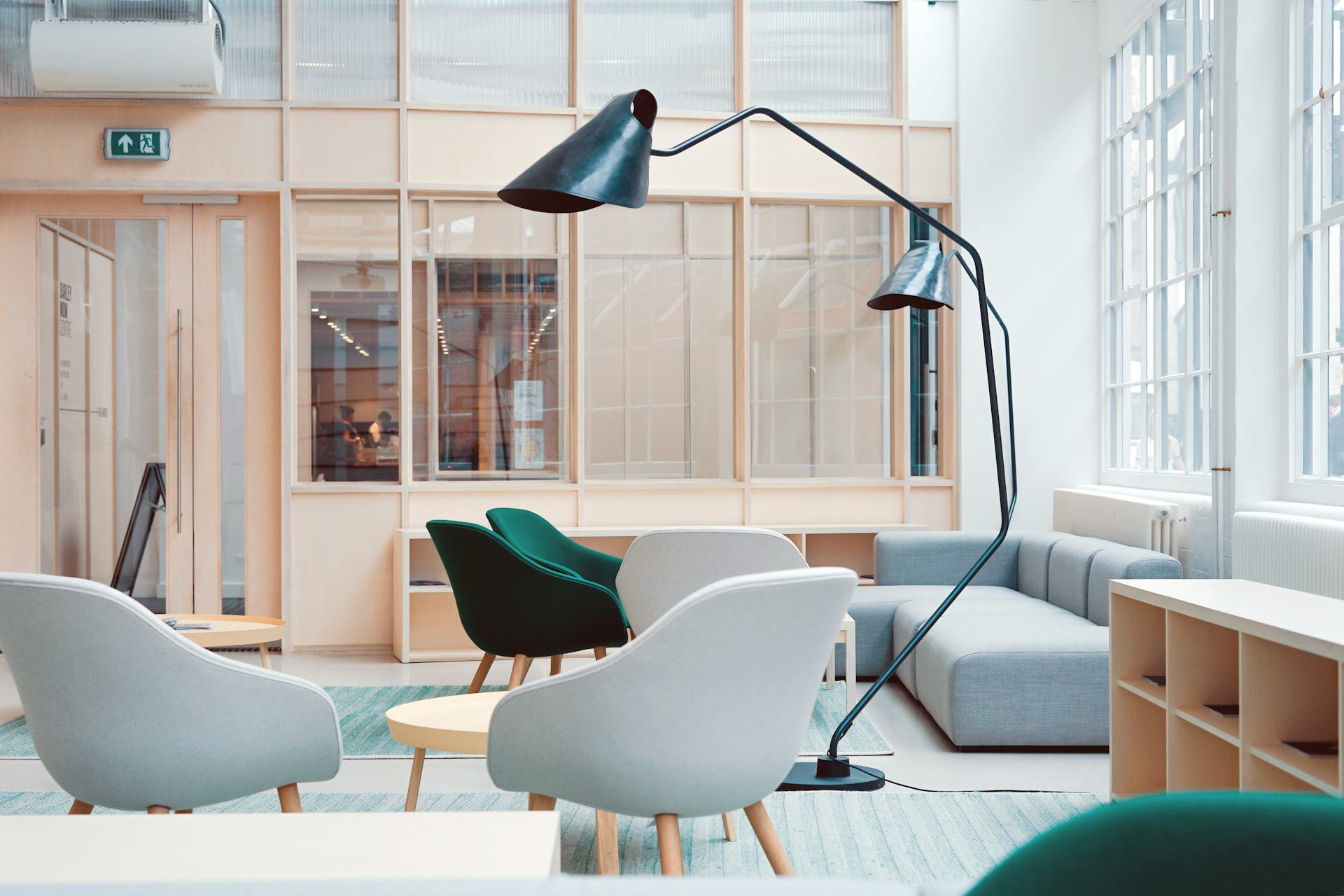
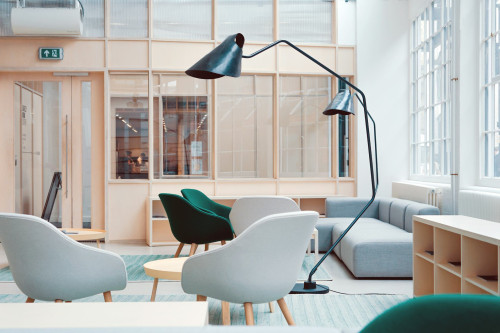
A harmonious lighting environment is all about balance. Ambient lighting should be complemented by task lighting (such as reading lamps or desk lights) and accent lighting (like floor lamps, table lamps, or decorative fixtures). When these three layers work together, the room gains depth, flexibility, and visual interest.
Ambient lighting serves as the steady foundation, while the other layers can be turned on or off depending on the time of day or activity. This flexibility allows your living room to transition effortlessly from a bright, functional space during the day to a relaxing retreat in the evening.
Avoiding Glare and Shadows
Good lighting isn’t just about brightness – it’s also about distribution. Avoid placing fixtures where they create harsh shadows or glare when you’re seated. Choose lamps with shades, frosted glass, or indirect light direction to achieve a softer, more comfortable effect.
If your living room has large windows, consider how natural daylight interacts with your artificial lighting. Well-planned ambient lighting should complement daylight, not compete with it.
Læs også:


Control and Flexibility
Modern lighting technology offers plenty of ways to customize your environment. Dimmers and smart lighting systems let you adjust brightness and color tone throughout the day. You can even program lighting scenes for different activities – from movie nights to entertaining guests.
Consider dividing your living room into zones with separate controls. This not only adds convenience but also enhances the sense of calm and order, as each area can be lit according to its purpose.
A Harmonious Light Environment Starts with the Basics
Ambient lighting may not be the most eye-catching element of your décor, but it’s the foundation of how your living room feels and functions. When thoughtfully planned, it enhances every other light source – from reading lamps to candles – making them more effective and appealing.
With the right ambient lighting, you’ll create a living room that feels balanced, welcoming, and adaptable – a space where light supports both your lifestyle and your sense of well-being every single day.
Læs også: