Create Luxury with Light: How to Use Ambient Lighting as a Design Element

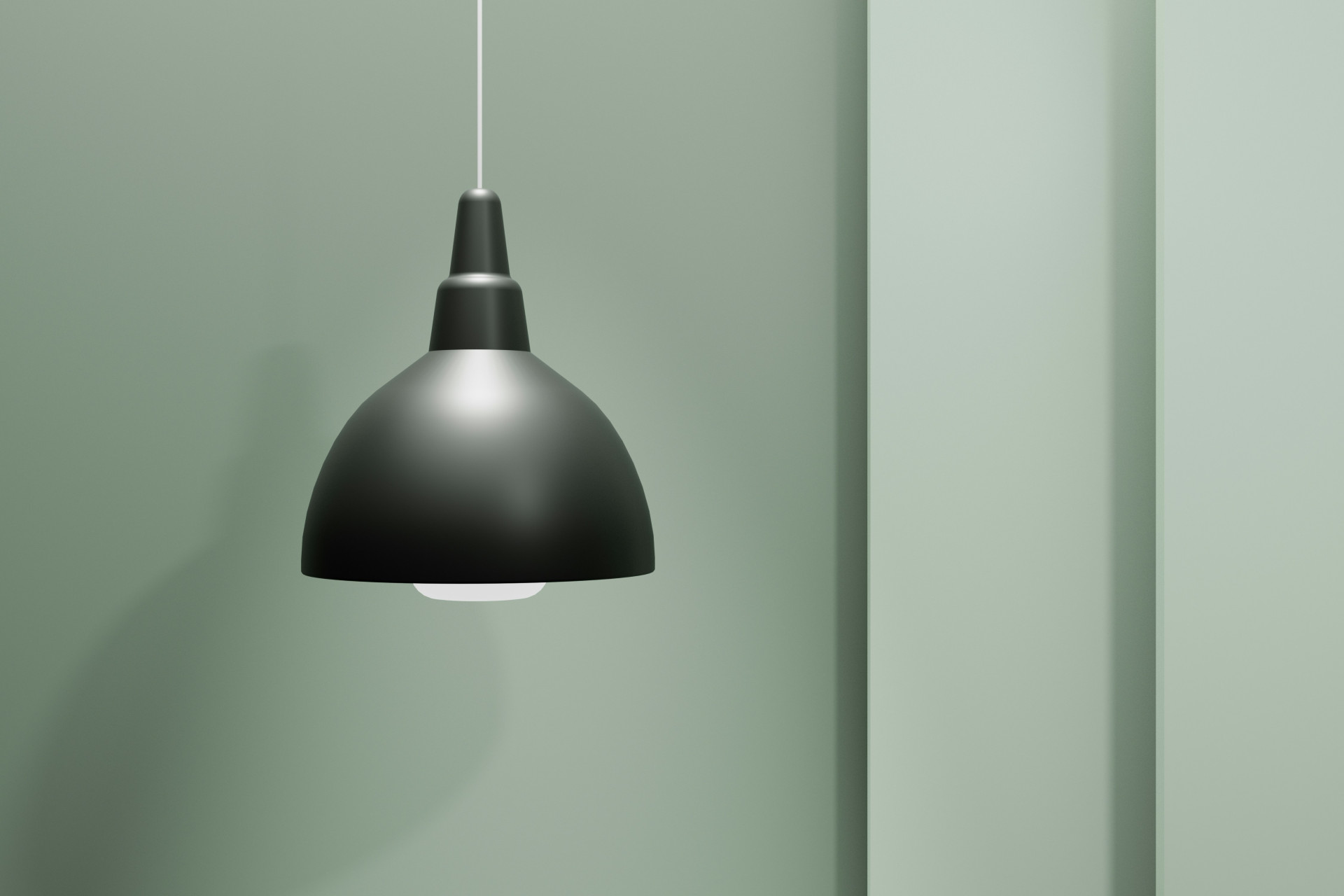
Create Luxury with Light: How to Use Ambient Lighting as a Design Element
Light is more than a practical necessity—it’s one of the most powerful tools for shaping atmosphere, depth, and character in your home. With the right lighting, even a simple space can feel elevated and luxurious without changing a single piece of furniture. Here’s how to use ambient lighting as a design element to create a sense of everyday luxury.
Light as Part of the Design
In many homes, lighting is chosen for function—how bright it is or where it fits. But light can do so much more. It can highlight textures, create contrast, and bring rhythm to a room.
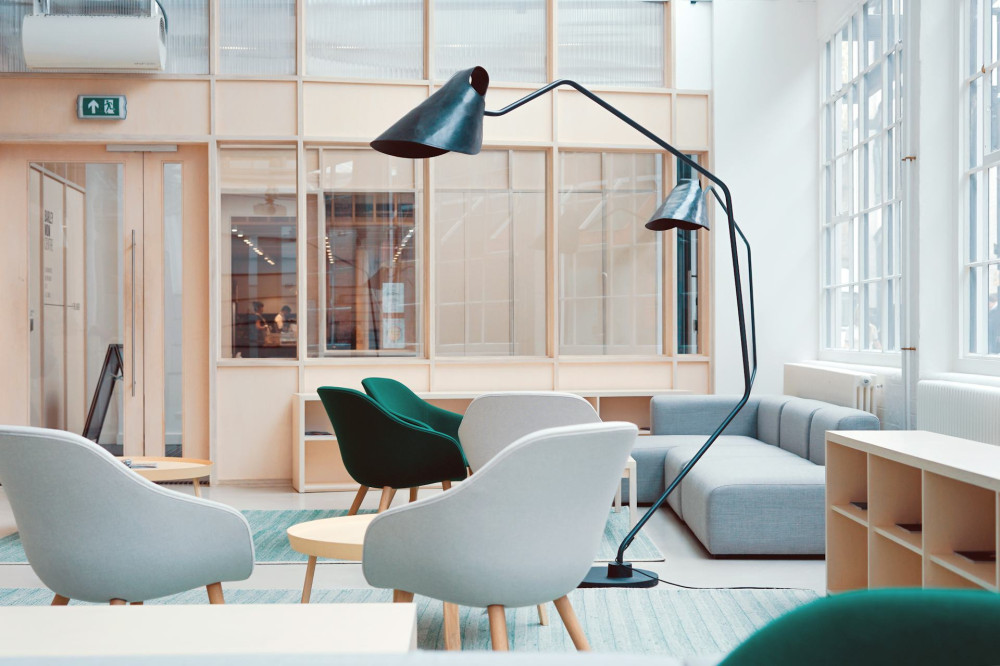
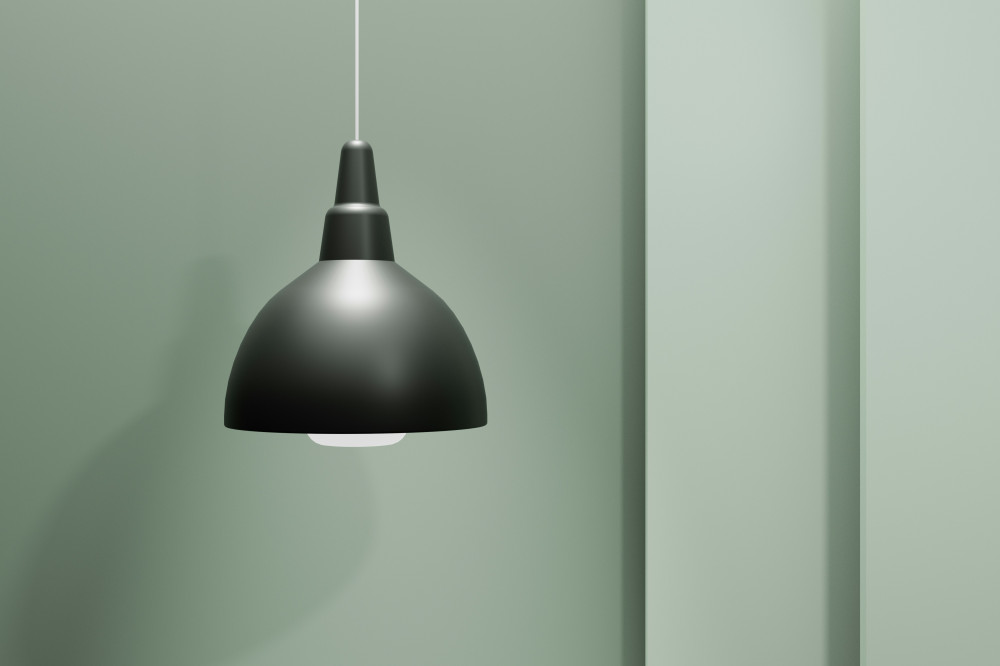
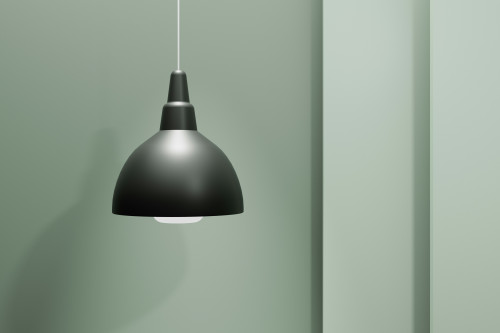
Think of lighting as a design layer, just like color, materials, and furniture. A sculptural pendant can serve as a statement piece, while a subtle wall wash can make surfaces come alive. When planning your lighting, start with how you want the space to feel: warm and inviting, calm and understated, or sleek and dramatic. Let the mood guide your lighting choices—not the other way around.
Layer the Light
Interior designers often work with three layers of lighting: ambient, task, and accent. It’s the combination of these layers that gives a room both function and personality.
- Ambient lighting provides general illumination so you can move around comfortably. This might come from ceiling fixtures, recessed lights, or large pendants.
- Task lighting focuses on areas where you need clarity—over kitchen counters, desks, or bathroom mirrors.
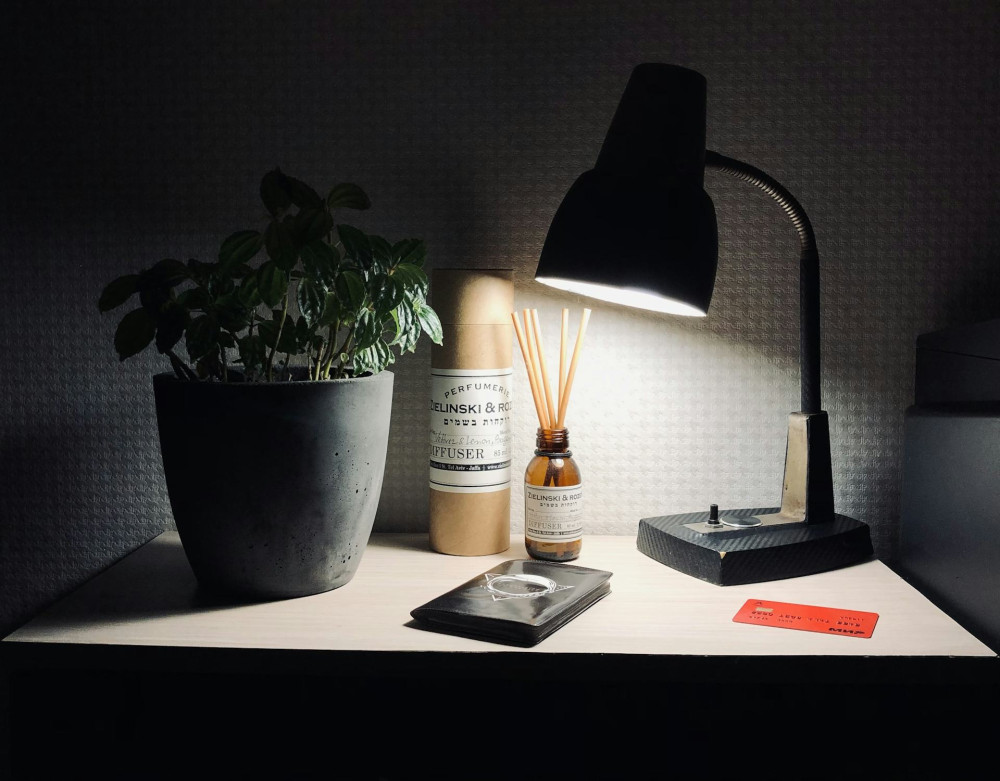
- Accent lighting adds depth and atmosphere. It can come from table lamps, wall sconces, LED strips, or even candles.
When these layers work together, the result is a space that feels balanced, comfortable, and refined—the essence of modern luxury.
Highlight What You Love
Ambient lighting isn’t just about creating a cozy glow—it’s also about drawing attention to what matters most. A narrow spotlight on a piece of art, a soft LED strip behind a bookshelf, or a warm beam grazing a textured wall can add dimension and personality.
Think about the features you want to emphasize: a favorite painting, a statement plant, a stone fireplace, or a piece of handcrafted furniture. By lighting these intentionally, you create visual focal points that make your home feel curated and unique.
Color Temperature and Materials
Light has color, and that color affects how we experience a space. Warm light (around 2700–3000 Kelvin) feels intimate and relaxing, while cooler light (4000 Kelvin and above) feels crisp and energizing.
In living rooms and bedrooms, warm tones tend to create a welcoming atmosphere. Kitchens, bathrooms, and home offices often benefit from more neutral or cool light for clarity and focus. Mixing color temperatures can also add contrast and visual interest.
Materials play a big role, too. Glass, metal, and glossy finishes reflect light and create a modern, airy feel. Wood, fabric, and matte surfaces absorb light, adding softness and warmth. By considering how light interacts with materials, you can design a space that feels cohesive and thoughtfully layered.
Lighting That Adapts to the Moment
One of the simplest ways to create atmosphere is through flexibility. Dimmable fixtures and smart bulbs let you adjust brightness and tone to match the time of day or your mood.
In the evening, lower the lights for a soft, golden glow. In the morning, brighten the space to energize your routine. Smart lighting systems even allow you to set scenes—“Dinner,” “Movie Night,” or “Morning Boost”—so your home always feels just right. This adaptability is what turns lighting from a utility into a true design feature.
Create Flow Throughout the Home
Ambient lighting isn’t just about individual rooms—it’s about the overall experience. As you move from one space to another, the lighting should feel like a natural progression.
Use repetition in form, color, or brightness to create harmony. A series of fixtures from the same design line can tie rooms together, while variations in height and placement add visual movement. Don’t forget the transition between indoors and outdoors—a soft glow on the porch or patio can make your home feel larger and more inviting.
Læs også:
Luxury Is About Experience
Luxury at home isn’t defined by price tags—it’s defined by how a space makes you feel. A room with well-considered lighting feels calm, balanced, and welcoming. It’s a place you want to linger.
Ambient lighting is more than decoration; it’s an experience. When you use light as an intentional design element, you don’t just illuminate your home—you bring it to life.
Læs også: