Energy consulting provides an overview and highlights the most effective improvements

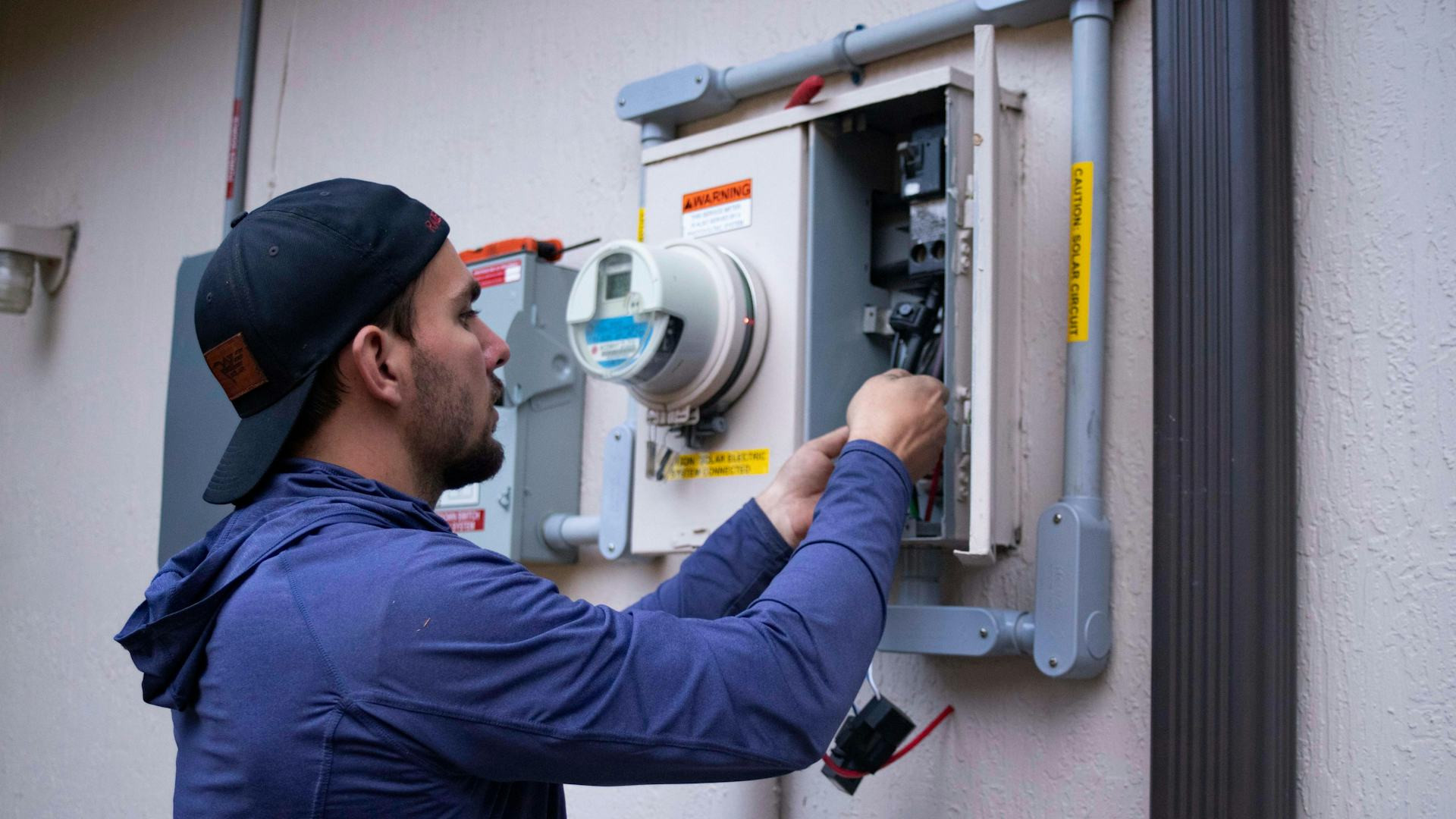
Energy consulting provides an overview and highlights the most effective improvements
As energy costs fluctuate and awareness of climate change grows, it’s becoming increasingly important for homeowners to understand how their homes use energy—and where improvements will have the greatest impact. Energy consulting offers exactly that insight: a clear plan for making a home more efficient, more comfortable, and less expensive to operate.
What is energy consulting?
Energy consulting is a professional assessment of a building’s energy performance. A consultant evaluates everything from insulation and windows to heating, cooling, and electrical systems. The result is typically a detailed report showing where energy is being lost and which upgrades will deliver the best return on investment.
In the U.S., energy consulting services are available through independent professionals, local utilities, and government programs such as the Department of Energy’s Home Energy Score or ENERGY STAR Home Upgrade. Regardless of the provider, the goal is the same: to help homeowners make informed, cost-effective decisions.
Understanding your home’s energy performance
Many homeowners suspect their homes could be more efficient but don’t know where to start. An energy consultant provides a comprehensive overview of how the home uses energy and identifies the areas with the greatest potential for improvement.
Consultants often use tools such as blower door tests to measure air leakage, infrared cameras to detect heat loss, and utility bill analysis to track consumption patterns. This data-driven approach helps prioritize upgrades and avoid costly mistakes.
The most effective improvements
Not all energy upgrades deliver the same benefits. A consultant can help identify which improvements will have the biggest impact on comfort, savings, and sustainability. Common high-value upgrades include:
- Insulating the attic and exterior walls – often the fastest way to reduce heating and cooling costs.
- Upgrading windows and doors – modern, energy-efficient models can significantly cut heat loss and drafts.
- Improving HVAC systems – replacing an old furnace or air conditioner with a heat pump or high-efficiency unit can lower energy use dramatically.
- Sealing air leaks and improving ventilation – a tighter building envelope with balanced ventilation enhances indoor air quality and comfort.
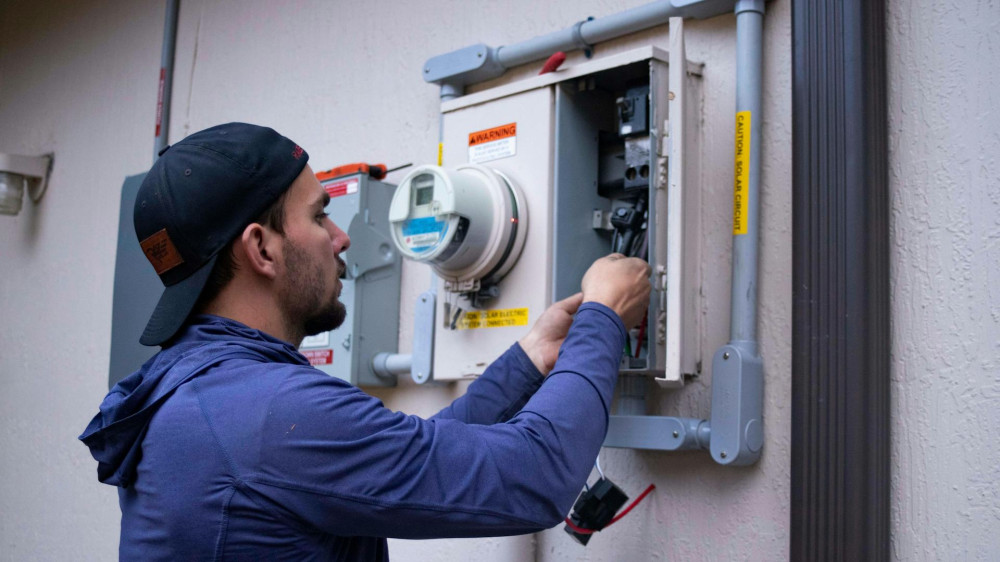
- Adding solar panels or renewable energy systems – can offset electricity costs and reduce carbon emissions.
An energy consultant can estimate payback periods, potential savings, and how each improvement affects the home’s overall energy rating and resale value.
Financing and incentives
Energy upgrades require investment, but there are many ways to make them more affordable. Federal and state programs, such as the Inflation Reduction Act incentives, offer tax credits and rebates for heat pumps, insulation, and solar installations. Many utilities also provide rebates for efficiency improvements.
Homeowners can often combine these incentives with low-interest “green” loans or energy-efficient mortgages. A consultant can help identify available programs and prepare the necessary documentation.
Læs også:


An investment in comfort and the future
Energy consulting isn’t just about saving money—it’s about creating a healthier, more comfortable, and more sustainable home. A well-insulated, efficiently heated and cooled house maintains a stable temperature year-round, reduces noise, and improves indoor air quality.
For many homeowners, an energy consultation marks a turning point: moving from guesswork to informed action. It provides confidence that every dollar spent on improvements is an investment in comfort, property value, and a cleaner energy future.
Læs også: