Circular Economy and Energy Optimization – Two Sides of the Same Coin in Sustainable Energy Use


Circular Economy and Energy Optimization – Two Sides of the Same Coin in Sustainable Energy Use
When we talk about sustainability, it’s not just about using less—it’s about using smarter. The concepts of circular economy and energy optimization are often mentioned together, and for good reason. Both focus on maximizing the value of resources, minimizing waste, and creating efficiency-driven growth. But how exactly are they connected, and what do they mean for how we use energy in our daily lives?
From Take-Make-Dispose to Circular Thinking
For decades, our economy has been built on a linear model: we take resources, make products, use them, and throw them away. This approach has fueled growth but also led to massive waste and environmental strain. The circular economy flips that model on its head. It aims to keep materials and products in use for as long as possible, turning waste into a resource that can be reused, repaired, or recycled.
When it comes to energy, circular thinking means looking at the entire system. It’s not only about producing renewable power but also about using it efficiently, recovering waste heat, and designing buildings, vehicles, and products that require less energy throughout their life cycle.
Energy Optimization – The Practical Side of Circular Economy
Energy optimization is where circular thinking becomes action. It’s about finding smarter ways to use energy—whether in homes, businesses, or communities. For households, that might mean improving insulation, installing heat pumps, switching to LED lighting, or using smart thermostats that adjust automatically to occupancy and weather conditions.
For companies, energy optimization often involves analyzing production processes to identify inefficiencies and reduce waste. In manufacturing, for example, excess heat from one process can be captured and reused elsewhere. In offices, smart systems can manage lighting and HVAC to match real-time needs. Every kilowatt saved extends the life of our energy resources—exactly the goal of a circular economy.
Læs også:


Technology and Data as the Driving Force
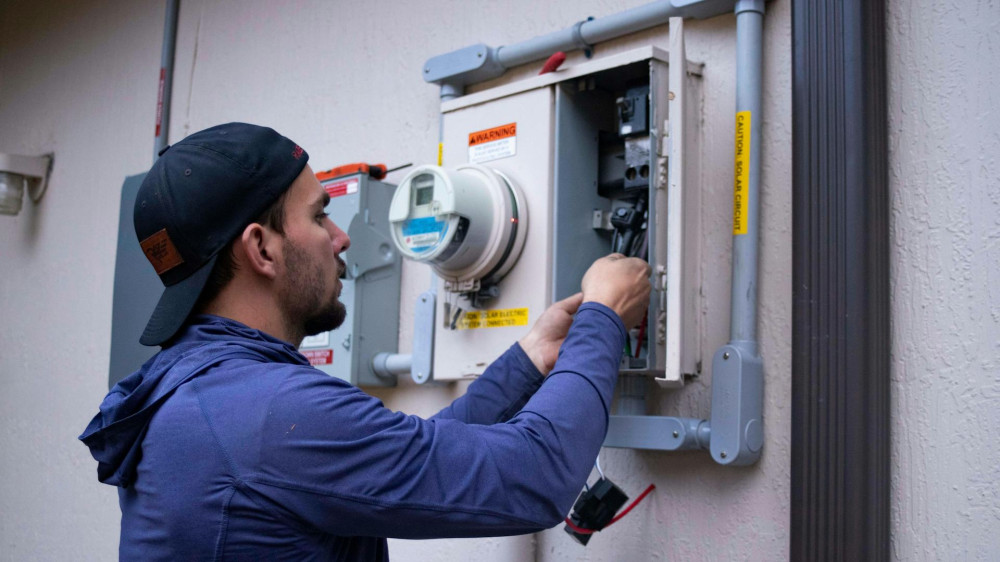
Digital technology is a key enabler of both circular economy and energy optimization. Smart meters, sensors, and data analytics allow us to monitor and adjust energy use in real time. This makes it possible to predict demand, prevent waste, and integrate renewable energy more effectively into the grid.
Across the U.S., smart buildings are emerging that automatically regulate heating, cooling, and lighting based on occupancy. Industrial facilities are using AI to optimize production schedules and energy consumption. Even cities are adopting “smart grid” technologies that balance supply and demand dynamically. These innovations create interconnected energy systems where nothing goes to waste.
The Consumer as a Partner in Change
While technology is essential, people remain at the heart of the transition. A circular economy and energy optimization both depend on consumers making conscious choices and seeing energy as a shared resource to be managed responsibly.
Small actions can have a big impact: turning off lights when leaving a room, washing clothes in cold water, or choosing Energy Star–certified appliances. When millions of households make these choices, the collective effect is enormous.
Consumers also have the power to drive market change by demanding products that are durable, repairable, and recyclable. This pushes companies to innovate and compete on sustainability, not just price.
A Shared Goal: Less Waste, More Value
Circular economy and energy optimization are two sides of the same coin. The circular economy provides the framework for keeping resources in use, while energy optimization provides the tools to make it happen. Together, they can create an energy system where efficiency and sustainability go hand in hand—where growth no longer depends on waste, but on smart use of what we already have.
Understanding the connection between these two ideas reveals a hopeful truth: the future of energy use isn’t about sacrifice—it’s about intelligence. By using our resources more wisely, we can build a cleaner, more resilient, and more prosperous future for all.
Læs også: