Support Children’s Imagination – Without Overlooking Your Pet’s Needs

Support Children’s Imagination – Without Overlooking Your Pet’s Needs
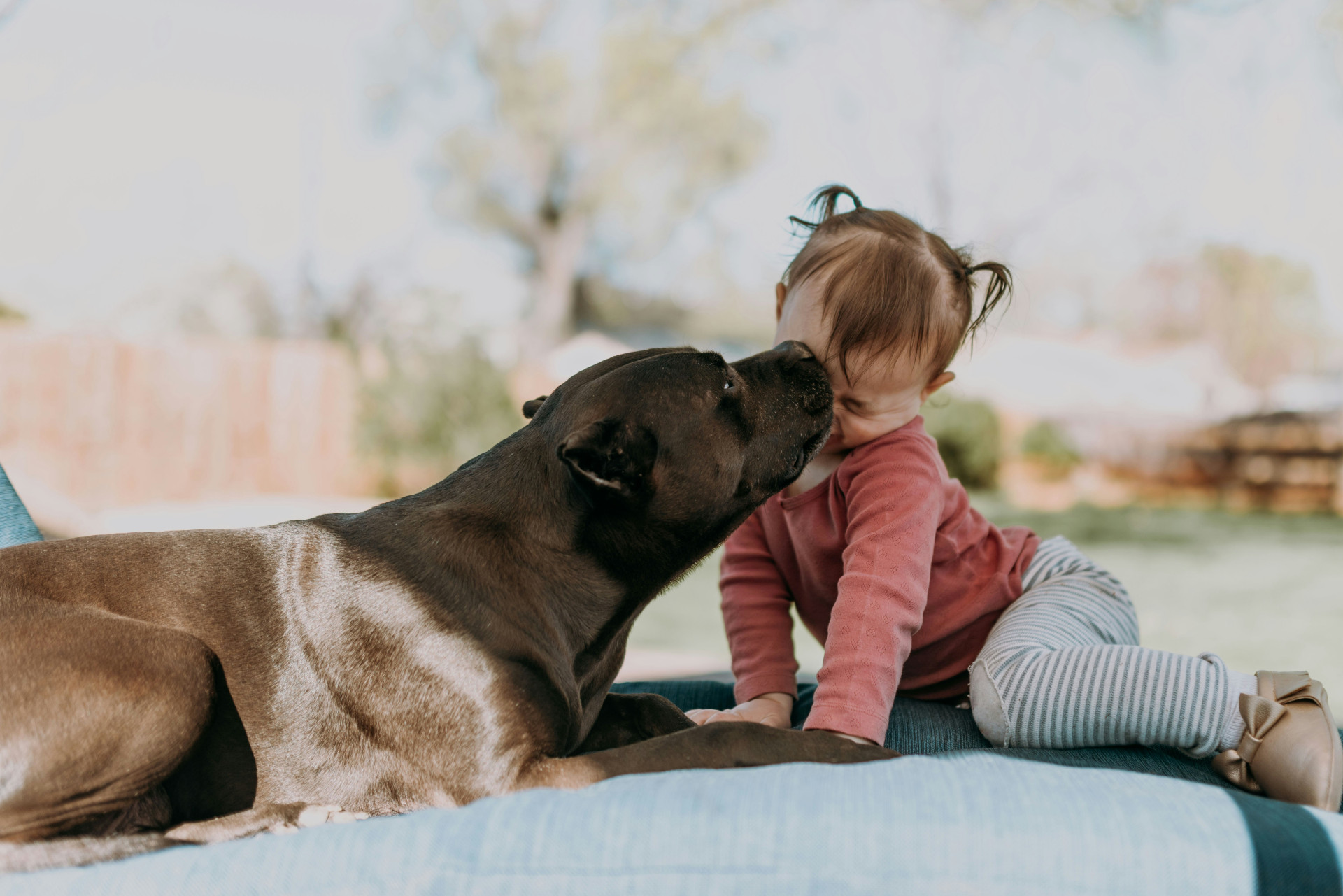
When children play, their imagination can turn the living room into a castle, the backyard into a jungle, and the family dog into a brave knight’s companion. Imaginative play is a vital part of childhood—it nurtures creativity, empathy, and problem-solving skills. But when a child’s fantasy world includes a real animal, it’s important to remember that pets aren’t toys. They have their own needs, boundaries, and emotions that both kids and adults must respect.
Here’s how you can encourage your child’s imagination while making sure your furry (or feathered) friend feels safe and cared for.
Teach Kids to Read Animal Signals
Children are naturally curious and often want to hug, lift, or play closely with pets. But not every animal enjoys that kind of attention. Teach your child to recognize signs that a pet needs space: a dog turning its head away, a cat flicking its tail, or a rabbit thumping its foot. These are ways animals communicate discomfort.
Make it a shared learning experience. Ask questions like, “What do you think Buddy is trying to tell us right now?” or “How can we help Luna feel calm?” This helps children develop empathy and awareness—skills that benefit both their relationships with animals and with people.
Create Safe Spaces for Both Play and Rest
Every pet needs a quiet place to retreat. Whether it’s a crate, a cozy bed, or a corner of the room, make sure your child knows that this is the pet’s “quiet zone.” Explain that, just like people, animals sometimes need alone time to rest and recharge.
You can compare it to when your child wants to read or draw alone. When kids understand that pets also need breaks, they’re more likely to respect those boundaries without feeling rejected.
Læs også:


Include Pets in Play—On Their Terms
A child’s imagination can easily include a pet, as long as the play respects the animal’s comfort. A dog might join a “treasure hunt” during a walk, while a cat can be the “royal guardian” of a pillow fort—without being dressed up or carried around.
Encourage your child to think of ways to involve the pet that feel natural and fun for both. This teaches that kindness and creativity can go hand in hand.
Turn Care and Responsibility Into Part of the Fun
Having a pet is a wonderful opportunity for children to learn responsibility. Turn daily care routines into engaging activities. You might create a “pet care chart” where your child checks off tasks like filling the water bowl, brushing the pet’s coat, or helping with cleanup after playtime.
When children see that their actions directly contribute to their pet’s happiness, they gain confidence and a deeper sense of empathy.
Talk About Feelings—Theirs and the Pet’s
Pets can help children understand emotions in a simple, relatable way. If your dog hides during fireworks, ask your child if they’ve ever felt scared by loud noises. If your cat purrs while being petted, talk about what makes both of you feel calm and happy.
These conversations help children connect emotions to behavior and recognize that animals, like people, have feelings that deserve care and respect.
A Home With Room for Both Imagination and Respect
Supporting your child’s imagination doesn’t have to come at the expense of your pet’s well-being. In fact, it can become a shared experience that strengthens empathy, patience, and understanding. When children grow up learning to balance play with compassion, they discover that love means listening, giving space, and taking responsibility.
That’s a lesson that lasts far beyond childhood—and makes life better for both kids and the animals who share their world.
Læs også: