Get Your Garage Organized with Smart Zones for Your Car, Tools, and Storage

Get Your Garage Organized with Smart Zones for Your Car, Tools, and Storage
For many homeowners, the garage ends up as a catch-all space for everything that doesn’t fit in the house — from sports gear and paint cans to garden tools and holiday decorations. But with a little planning, your garage can become a clean, functional, and efficient space where everything has its place. The key is to divide it into zones: one for your car, one for tools and projects, and one for general storage. Here’s how to create a garage that works for you.
Start by Decluttering and Planning
Before you start organizing, take a good look at what’s actually in your garage. Sort everything into three categories: keep, donate/sell, and toss. This step helps you see how much space you really need and what kind of storage solutions will work best.
Once you’ve cleared out the clutter, plan your layout. Think about how you use your garage: Do you park your car inside every day, or is it more of a workshop and storage area? Sketch a simple floor plan and mark out zones for each purpose. This will help you make the most of your available space.
Zone 1: Space for Your Car
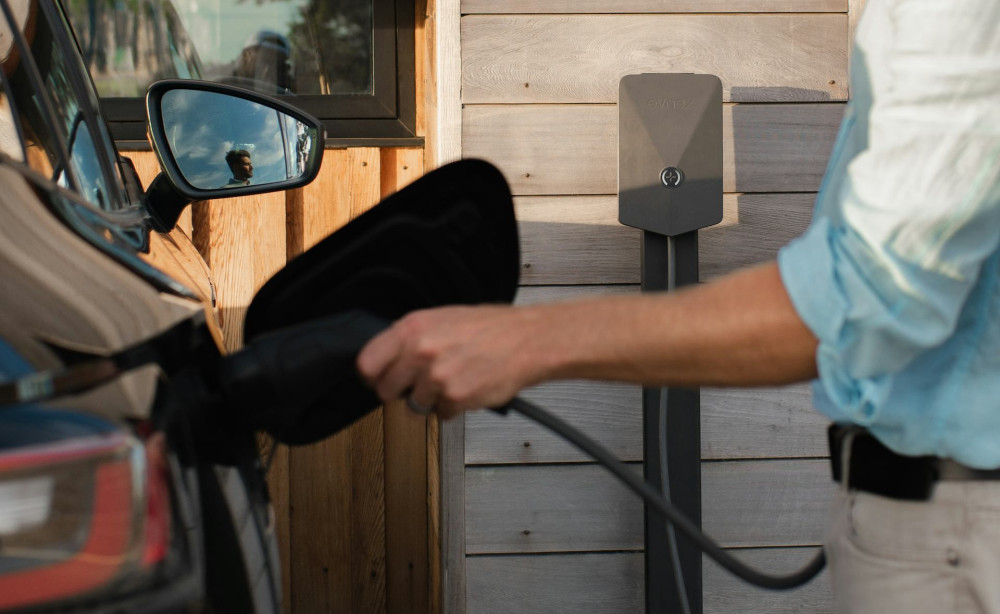
If your car belongs in the garage, give it a dedicated zone. Make sure there’s enough room to open doors comfortably and move around without bumping into things. Avoid stacking items directly next to the car to prevent scratches and dents.
Use wall-mounted systems to keep the floor clear — hooks, racks, and pegboards are great for hanging bikes, garden tools, and sports equipment. If you like to work on projects, consider a fold-down workbench that can be tucked away when the car is parked.
Good lighting is essential, too. Combine bright overhead fixtures with task lighting near the entrance or work areas so you can see clearly, even on dark winter evenings.
Zone 2: Workshop and Tool Area
For many people, the garage doubles as a workshop. A well-organized workspace makes projects easier, safer, and more enjoyable.
- Workbench: Choose a sturdy bench at a comfortable height and depth for your projects.
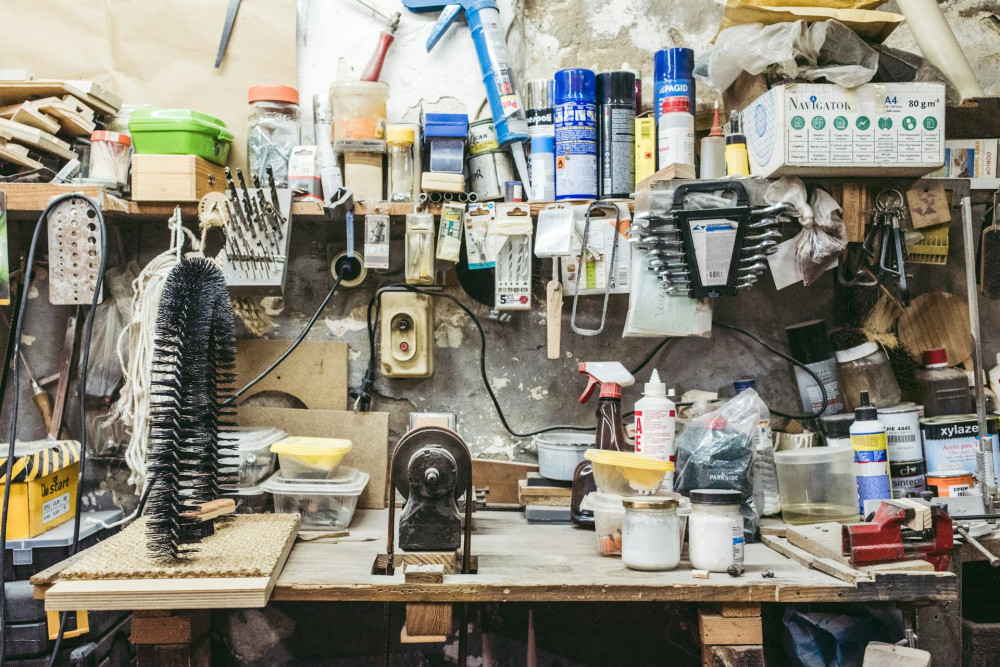
- Tool storage: Use pegboards, magnetic strips, and labeled drawers so every tool has a home.
- Power and lighting: Make sure you have enough outlets and bright task lighting above your work area.
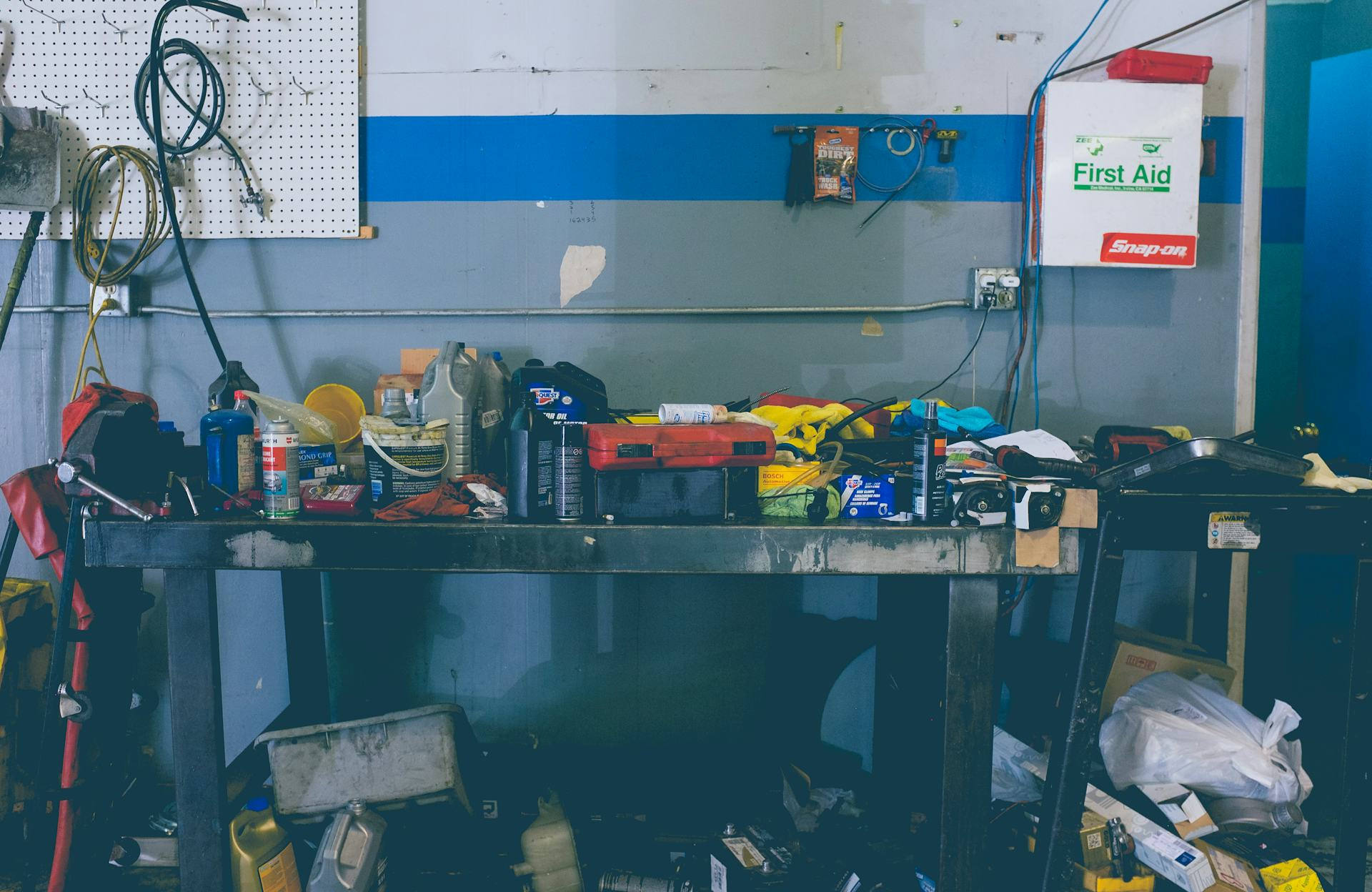
- Safety: Keep a fire extinguisher and first-aid kit nearby, especially if you use power tools or store chemicals.
An organized workshop saves time and frustration — no more searching for the right screwdriver in the middle of a project.
Zone 3: Storage and Systems
The third zone is for everything you don’t use every day — seasonal gear, paint, cleaning supplies, and household extras. The goal here is to use vertical and overhead space efficiently.
- Shelving: Install sturdy metal or wood shelves, placing heavier items on the bottom.
- Bins and containers: Clear plastic bins with labels make it easy to find what you need.
- Overhead storage: Ceiling-mounted racks are perfect for bulky items like holiday decorations, camping gear, or spare tires.
- Category labeling: Group items by theme — “yard,” “car care,” “sports,” “tools” — so you can find things quickly.
By thinking vertically and systematically, you’ll free up floor space and make your garage feel more open and organized.
Keep It Clean and Maintained
Once your garage is organized, the key is to maintain it. Set aside time a few times a year to review each zone, get rid of what you no longer use, and wipe down shelves and floors. A clean, well-kept garage is more inviting and helps prevent pests and moisture problems.
Keep a small “maintenance kit” with cleaning supplies, rags, and trash bags handy so you can do quick touch-ups whenever you’re in the garage.
Læs også:


A Garage That Works for Everyday Life
A well-organized garage isn’t just about looks — it’s about functionality. When you know where everything is and can move around freely, your garage becomes a useful extension of your home rather than a cluttered storage space.
By creating clear zones for your car, tools, and storage, you’ll have a space that’s practical, safe, and easy to maintain. It takes a bit of planning at first, but the payoff is huge: more space, less stress, and a smoother daily routine.
Læs også: