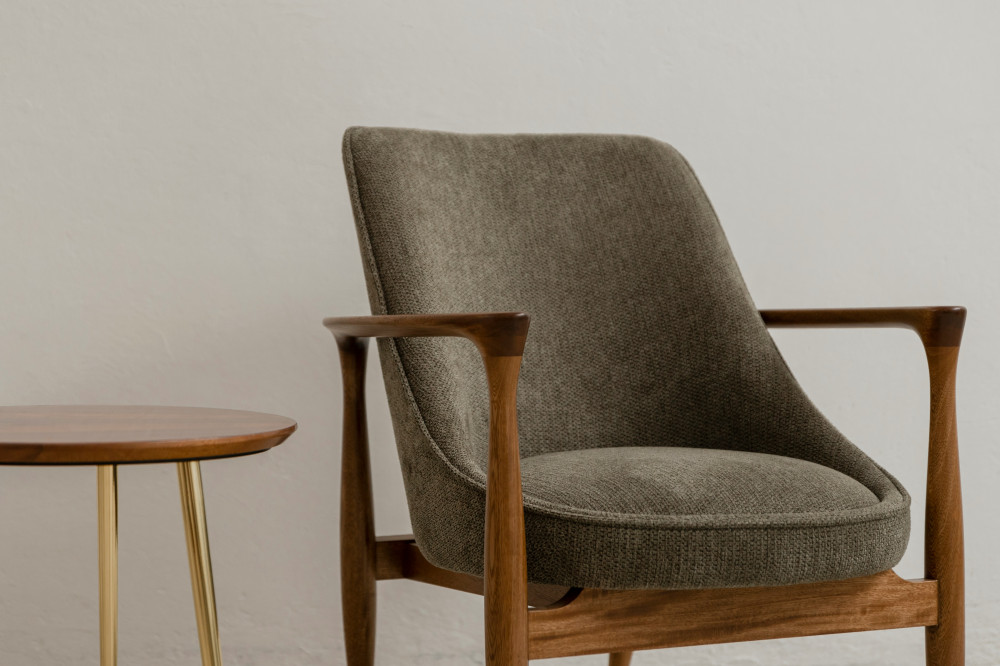
Comfort and Aesthetics in Harmonious Balance

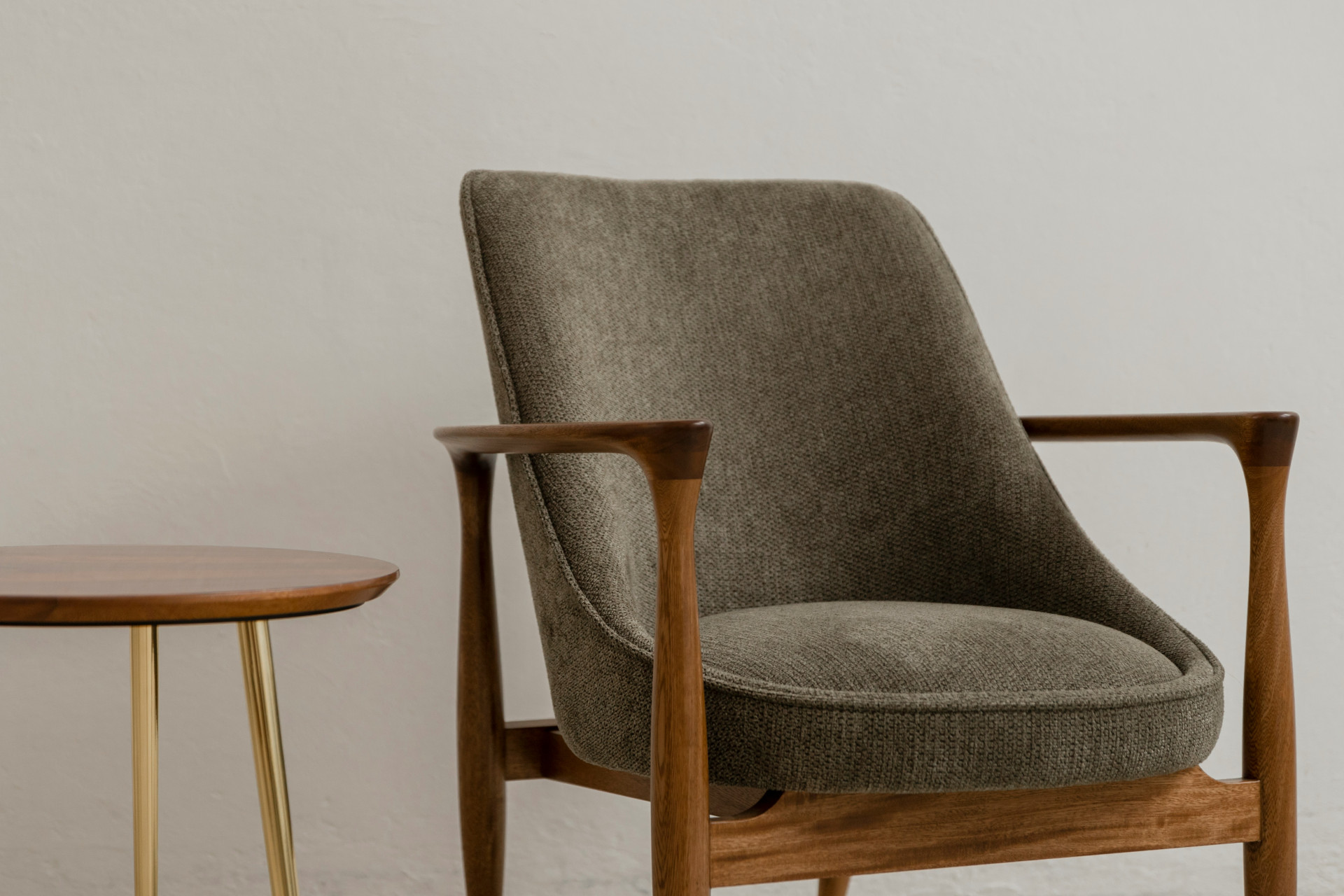
Comfort and Aesthetics in Harmonious Balance
In a time when our homes have become sanctuaries for both work and relaxation, the balance between comfort and aesthetics has never been more important. We want furniture that not only looks beautiful but also feels right to use every day. Achieving harmony between what pleases the eye and what supports the body can be challenging, but when it succeeds, it creates spaces that inspire calm and invite us to unwind.
When Form Meets Function
Design is about more than appearance. A stunning piece of furniture quickly loses its appeal if it’s uncomfortable or impractical. Conversely, a comfortable chair can feel out of place if it clashes with the room’s style. The best designs emerge when form and function work together seamlessly.
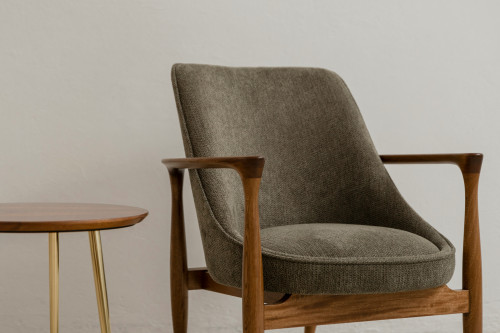
Take, for example, the classic armchair. It should support the body properly while expressing a style that complements the rest of the home. Materials, colors, and proportions must interact with ergonomics and craftsmanship to create a unified experience that satisfies both the eye and the body.
The Role of Materials
Materials play a crucial role in achieving both comfort and aesthetic appeal. Natural materials like wood, wool, and leather bring warmth and character, while modern materials such as molded plastic and metal can create a lighter, more contemporary look. Combining the two worlds can result in intriguing contrasts.
A textured fabric can make a chair feel more inviting, while a smooth surface can emphasize a clean, modern design. The key is finding the balance that fits your personal style—and the way you live in your space.
Ergonomics as an Aesthetic Value
Ergonomics is often associated with office chairs and workspaces, but it’s just as important at home. A chair that supports the body correctly not only provides physical comfort but also conveys quality and thoughtful design. When a piece of furniture is created with human movement in mind, it gains a natural beauty that stems from its functionality.
Many designers today embrace the principle of “human-centered design,” where the user’s experience is the starting point. In this approach, aesthetics don’t compete with comfort—they grow out of it.
Color, Light, and Atmosphere
Color and light deeply influence how we experience comfort. Soft, warm tones can create a sense of calm, while bright or cool hues bring energy and freshness. A chair in a muted shade can soothe a busy room, while a bold color can serve as a striking focal point.
Lighting also plays a vital role. A beautiful piece deserves to be seen in the right light—both literally and figuratively. A well-placed lamp can highlight materials and shapes while creating an atmosphere that makes the room more inviting.
Læs også:

Finding Your Personal Balance
There’s no universal formula for the perfect balance between comfort and aesthetics. It depends on who you are and how you live. Some prefer a minimalist, clean look; others are drawn to softness and sensory richness. What matters most is that your surroundings feel right to you—that you thrive in them.
When choosing furniture, take a moment to reflect: How does it feel to sit here? How do the colors and materials affect your mood? When you find that combination where your body relaxes and your eyes delight, you’ve discovered the harmonious balance between comfort and aesthetics.
Læs også: