Avoid Blind Spots in Your Home Security System

Avoid Blind Spots in Your Home Security System
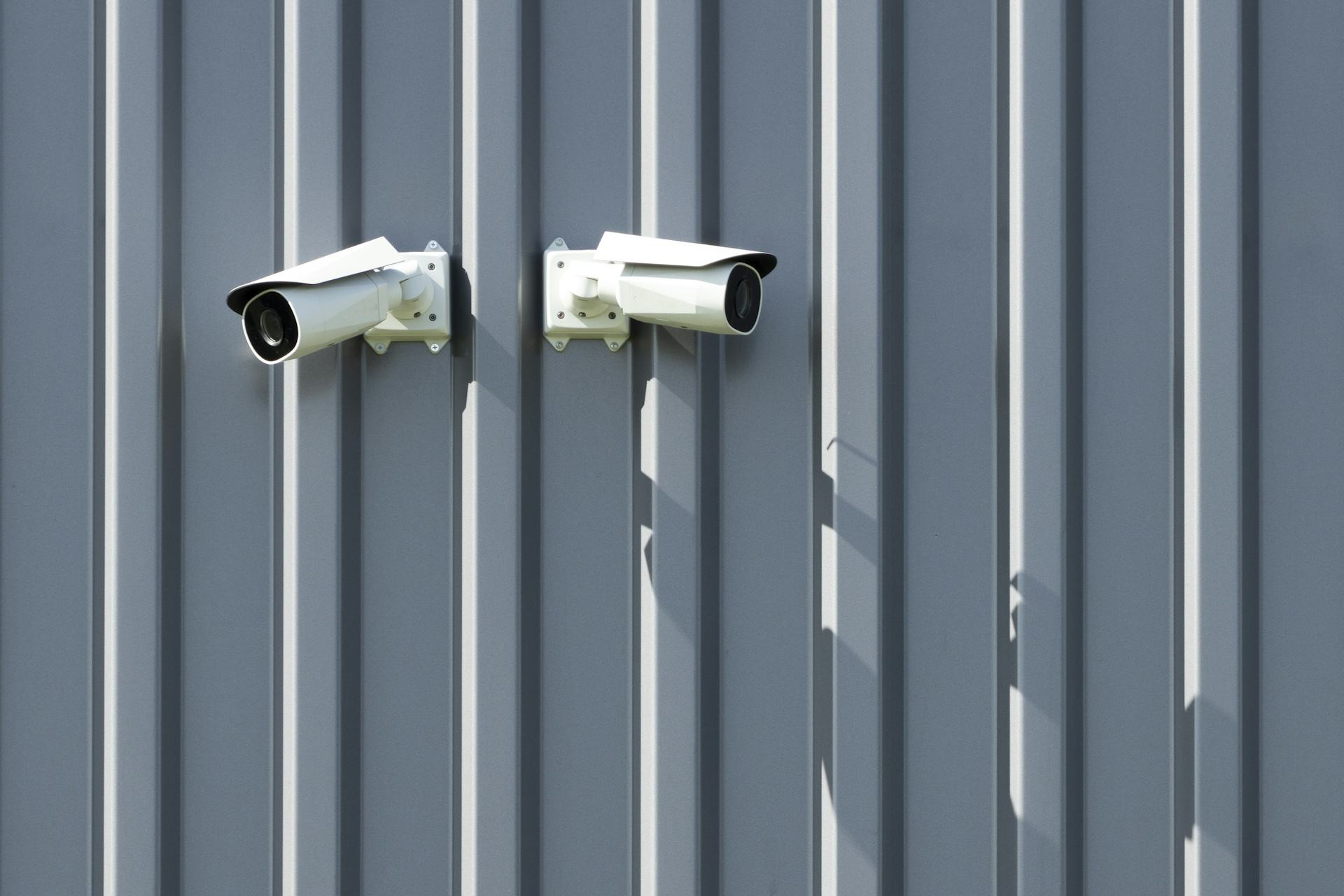
A home security system can bring peace of mind—if it’s set up correctly. Too often, cameras miss key areas, or footage becomes useless because of poor lighting or bad placement. Blind spots can leave doors, windows, or driveways unmonitored—exactly where you need visibility the most. Here’s how to avoid common mistakes and make sure your home security system truly protects your property.
Start with a Plan – Map Out Your Home
Before installing any cameras, take time to sketch a simple layout of your home and yard. Mark entry points, windows, walkways, and areas with frequent activity. This helps you identify where intruders might approach unnoticed.
Think in terms of outer and inner zones:
- Outer zones: Driveways, yards, garages, and walkways. These areas help you detect movement early.
- Inner zones: Doors, windows, and basement or back entrances. Cameras here should capture anyone attempting to enter.
Once you have a clear overview, you can decide how many cameras you need and where to place them for maximum coverage.
Placement: High Enough for Coverage, Low Enough for Detail
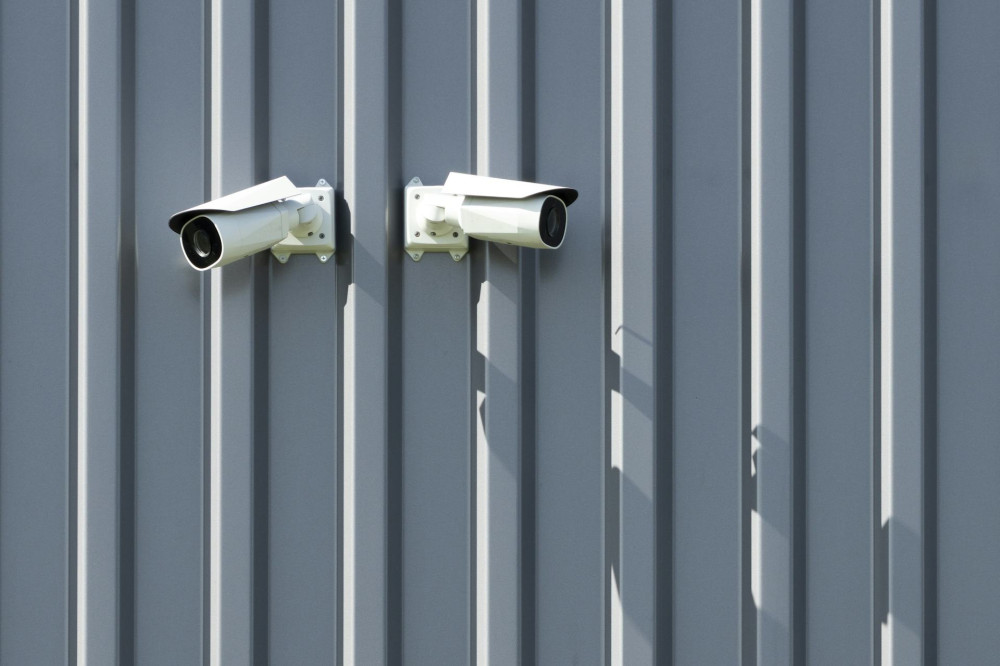
One of the most common mistakes is mounting cameras at the wrong height. A camera placed too high gives a wide view but may miss important details like faces or license plates. Too low, and it’s easy to tamper with.
A good rule of thumb is to mount cameras 8–10 feet above the ground. This height provides both a broad field of view and enough detail for identification. Angle the camera slightly downward to avoid capturing too much sky, which can cause glare and overexposure.
Avoid pointing cameras directly toward bright lights, streetlamps, or sunrise/sunset angles. Strong light sources can wash out your footage and make it hard to see what’s happening.
Cover the Critical Angles
Even with multiple cameras, blind spots can appear—especially around corners, under eaves, or behind landscaping. To minimize them:
- Position cameras diagonally so they cover each other’s blind spots.
- Use wide-angle cameras for corners or narrow pathways.
- Combine fixed and pan-tilt cameras to get both constant coverage and flexible tracking.
If you have a large property, use a coverage map—many U.S. security brands offer mobile apps that let you simulate camera views before installation.
Don’t Forget About Lighting
Even the best camera depends on good lighting. During the day, shadows and reflections can distort images; at night, poor lighting can make footage useless.
- Choose cameras with infrared (IR) night vision for clear images in darkness.
- Add motion-activated outdoor lighting to deter intruders and improve visibility.
- Avoid overly bright lights aimed directly at the camera, which can cause glare.
A well-lit environment not only improves your recordings but also makes your home feel safer.
Test and Adjust Regularly
Once your cameras are installed, test them thoroughly. Walk through monitored areas and check how motion is detected. Review the footage on your app or computer, and adjust angles until you’re satisfied with the coverage.
Perform a seasonal check a few times a year. Falling leaves, snow, or new outdoor furniture can change sightlines and create new blind spots. A quick adjustment can make a big difference.
Respect Privacy and Local Laws
When setting up surveillance, make sure you follow privacy laws. In the U.S., you can record video on your own property, but avoid pointing cameras at public sidewalks or your neighbor’s yard. Post visible signs indicating that your property is under surveillance—this is both courteous and often legally advisable.
If you use cloud storage, choose a provider with strong data security and access controls. Protecting your footage also protects your privacy.
Læs også:
A Secure and Reliable System
A reliable home security system isn’t just about technology—it’s about planning, placement, and maintenance. By paying attention to coverage, lighting, and privacy, you can eliminate blind spots and create a system that truly enhances your safety and peace of mind.
Læs også: