Wood and Stone in the Kitchen Island – A Harmonious and Durable Combination

Wood and Stone in the Kitchen Island – A Harmonious and Durable Combination
The kitchen island has become the heart of many American homes – a place where cooking, conversation, and design come together. As the kitchen continues to evolve into a social and aesthetic centerpiece, the choice of materials has gained new importance. Among the most timeless and appealing combinations is wood and stone. Together, these natural materials create a balance of warmth and strength, tradition and modernity.
Nature’s Contrasts in Harmony
Wood and stone are, in many ways, opposites – and that’s exactly why they complement each other so beautifully. Wood brings warmth, texture, and a sense of life to the space, while stone adds durability, weight, and a refined elegance. When combined, they form a natural equilibrium that feels both inviting and enduring.
A solid wood base topped with granite, marble, or quartz can give the island a grounded and timeless look. Conversely, a stone base with wooden accents – such as shelving, seating, or trim – can create a sleek, contemporary feel. The key is to find the right balance so that the materials enhance rather than compete with each other.
Durability and Everyday Function
Beyond aesthetics, functionality is essential. Stone is exceptionally resistant to heat, scratches, and moisture, making it ideal for meal prep and daily use. Wood, while requiring a bit more care, rewards you with a living surface that develops character over time.
For the best results, choose a hardwood such as oak, maple, or walnut for the island structure. These species stand up well to daily wear and can easily be refreshed with oil or light sanding. For the countertop, granite offers maximum toughness, marble provides a classic and luxurious look, and engineered quartz delivers a consistent, low-maintenance surface.
Design Possibilities and Style
The combination of wood and stone opens up endless design opportunities. You can emphasize contrast – for example, dark walnut paired with white marble – or aim for a softer, more cohesive look with lighter tones in both materials.
- Modern farmhouse: Reclaimed oak with honed granite creates a warm, rustic charm that feels both cozy and sophisticated.
- Coastal calm: Light maple and soft gray quartz evoke a breezy, relaxed atmosphere perfect for open, airy kitchens.
- Urban luxury: Black-stained wood and polished marble bring drama and elegance to contemporary spaces.
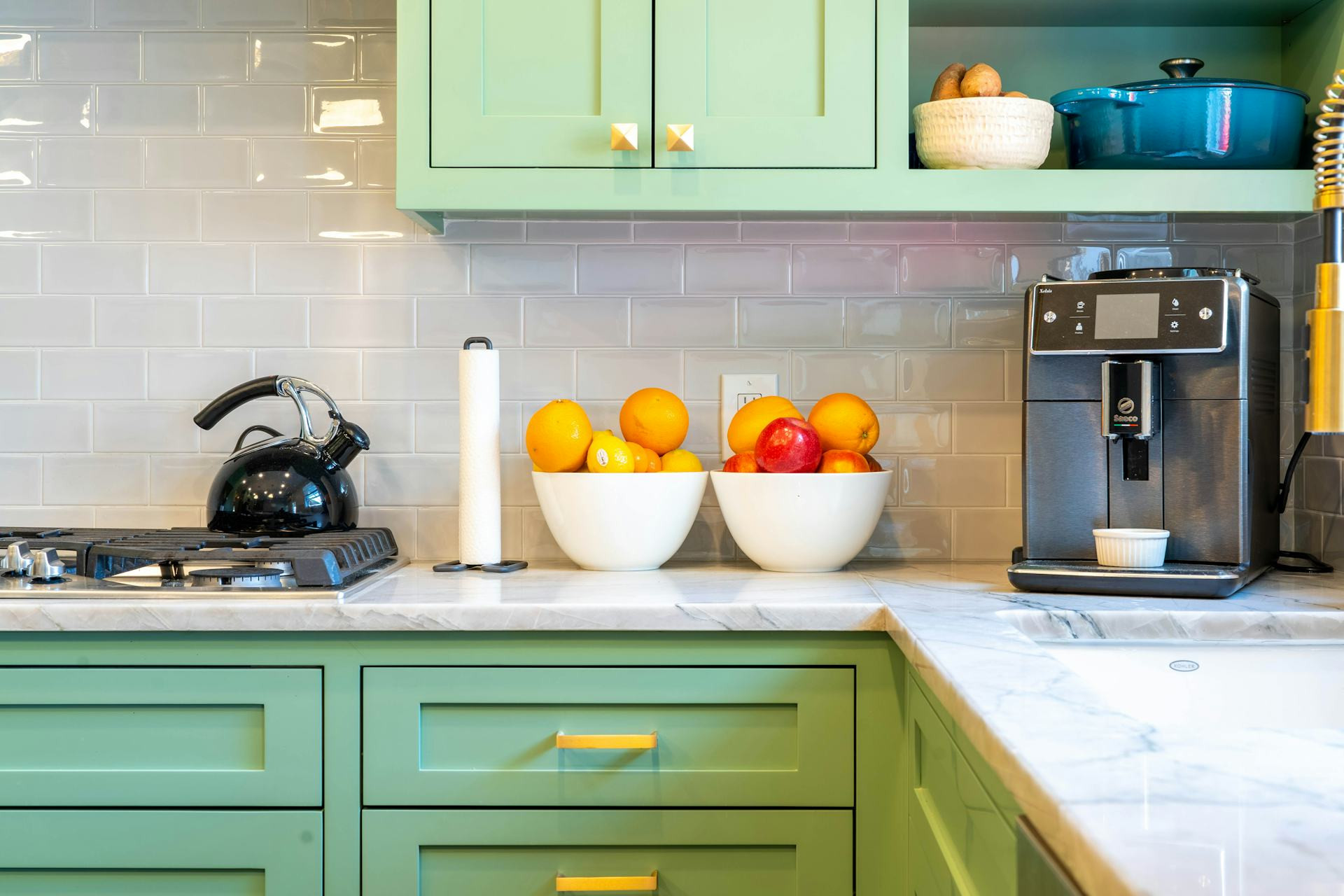
Finishing touches such as hardware, lighting, and seating can tie the look together. Brass or matte black fixtures, for instance, can bridge the visual gap between the organic warmth of wood and the cool solidity of stone.
Sustainability and Conscious Choices
When working with natural materials, it’s worth considering their origin and environmental impact. Opting for wood from certified sustainable forests and stone from responsibly sourced quarries is not only an ethical decision but also a commitment to quality. Many U.S. suppliers now offer locally quarried stone and reclaimed wood options that reduce transportation emissions and support regional craftsmanship.
Choosing materials that last for decades also contributes to sustainability. A well-built kitchen island made of wood and stone can endure generations of use, aging gracefully while minimizing waste and the need for replacement.
A Kitchen Island with Soul and Strength
A kitchen island is more than just a workspace – it’s a gathering spot, a design statement, and a reflection of your lifestyle. The combination of wood and stone enhances not only the visual appeal but also the emotional warmth of the space. It’s an investment in both function and atmosphere, where nature’s materials bring authenticity and balance into the home.
By choosing wood and stone for your kitchen island, you embrace the best of both worlds: the organic and the enduring, the warm and the resilient. The result is a kitchen that feels alive, grounded, and ready to be enjoyed every day.