When Walls and Floors Work Together – How to Create a Harmonious Kitchen

When Walls and Floors Work Together – How to Create a Harmonious Kitchen
A kitchen is more than a place to cook—it’s the heart of the home, where design and function meet. When walls and floors work together, the space feels balanced, inviting, and cohesive. Colors, materials, and textures all influence how a kitchen feels, and the right combination can transform it from ordinary to extraordinary. Here’s how to create a kitchen where walls and floors complement each other beautifully.
Begin with the Big Picture
When planning a kitchen, it’s easy to focus on individual elements—a countertop you love, a tile pattern that caught your eye, or a paint color that feels just right. But the most successful designs start with the overall vision. Ask yourself what atmosphere you want to create: bright and airy, warm and cozy, or sleek and modern?
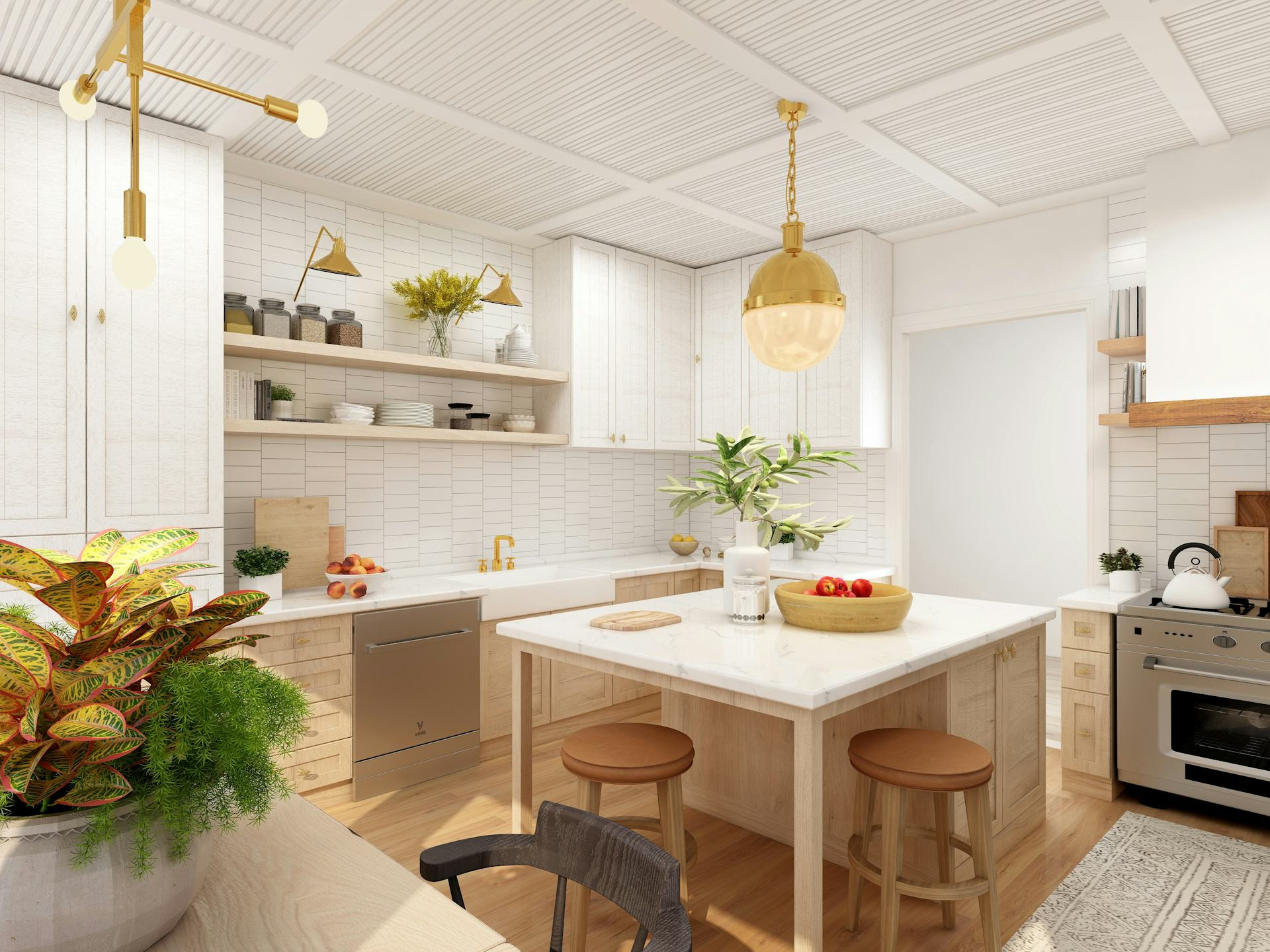
Once you know the mood, choose materials that support it. A light oak floor can enhance soft, warm wall tones, while a dark tile floor can ground a white kitchen and add a touch of sophistication.
Colors That Connect
Color harmony is key to a kitchen that feels balanced. The right palette can make the space feel larger, calmer, or more dynamic.
- Light on light: Pairing light walls with a pale floor creates an open, seamless look—perfect for smaller kitchens or spaces with limited natural light.
- Contrast: Dark floors with light walls create a timeless, elegant feel. This combination works especially well in larger kitchens, where contrast adds depth.
- Warm neutrals: Shades like beige, taupe, or warm gray pair beautifully with wood floors, creating a natural, relaxed atmosphere.
- Bold choices: If you want personality, let your wall color play off the floor’s tone—think sage green walls with honey-toned wood or navy walls with a pale stone floor.
Always test paint samples in your kitchen before committing. Light changes throughout the day, and colors can look very different under morning sun versus evening light.
Materials and Textures
Harmony isn’t just about color—it’s also about how materials interact. Combining different textures adds depth and interest.
- Wood and stone: A classic pairing that balances warmth and coolness. Try a marble-look tile floor with wood accents for a timeless feel.
- Tile and plaster: Textured plaster or limewash walls can soften the look of a tiled floor, giving the space a handcrafted, organic vibe.
- Vinyl and matte paint: For a modern, low-maintenance kitchen, a vinyl floor with a concrete look pairs well with matte-finish walls for an industrial yet inviting style.
Think about how materials feel underfoot and how they reflect light—these subtle details can make a big difference in how the space feels day to day.
Light and Reflection
Lighting plays a major role in how walls and floors appear. A dark floor can feel heavy in a kitchen with limited daylight, while a light floor reflects light and makes the room feel more open.
Consider how natural light moves through your kitchen. South-facing spaces can handle cooler tones, while north-facing kitchens often benefit from warmer hues that counteract cooler light. Layered lighting—pendants, under-cabinet lights, and ambient fixtures—can also help highlight textures and colors in both walls and floors.
Bring It All Together with Details
Once your walls and floors are chosen, tie the look together with thoughtful details. Baseboards, trim, and cabinet hardware can either blend in or provide subtle contrast. A rug under the dining area can soften the space and echo the colors of your walls and floor.
Don’t forget the finishing touches—plants, textiles, and lighting. A leafy green plant against a neutral wall adds life, while a warm-toned pendant light can bring out the richness of your flooring.
A Kitchen That Feels Like Home
There’s no single formula for the perfect balance between walls and floors—it depends on your style, your home, and how you want the space to feel. The key is to think holistically and choose materials that speak to each other. When walls and floors work in harmony, your kitchen becomes more than a functional space—it becomes a place you love to spend time in, every day.