The Secret of the Water Stream: Why the Aerator Matters More Than You Think

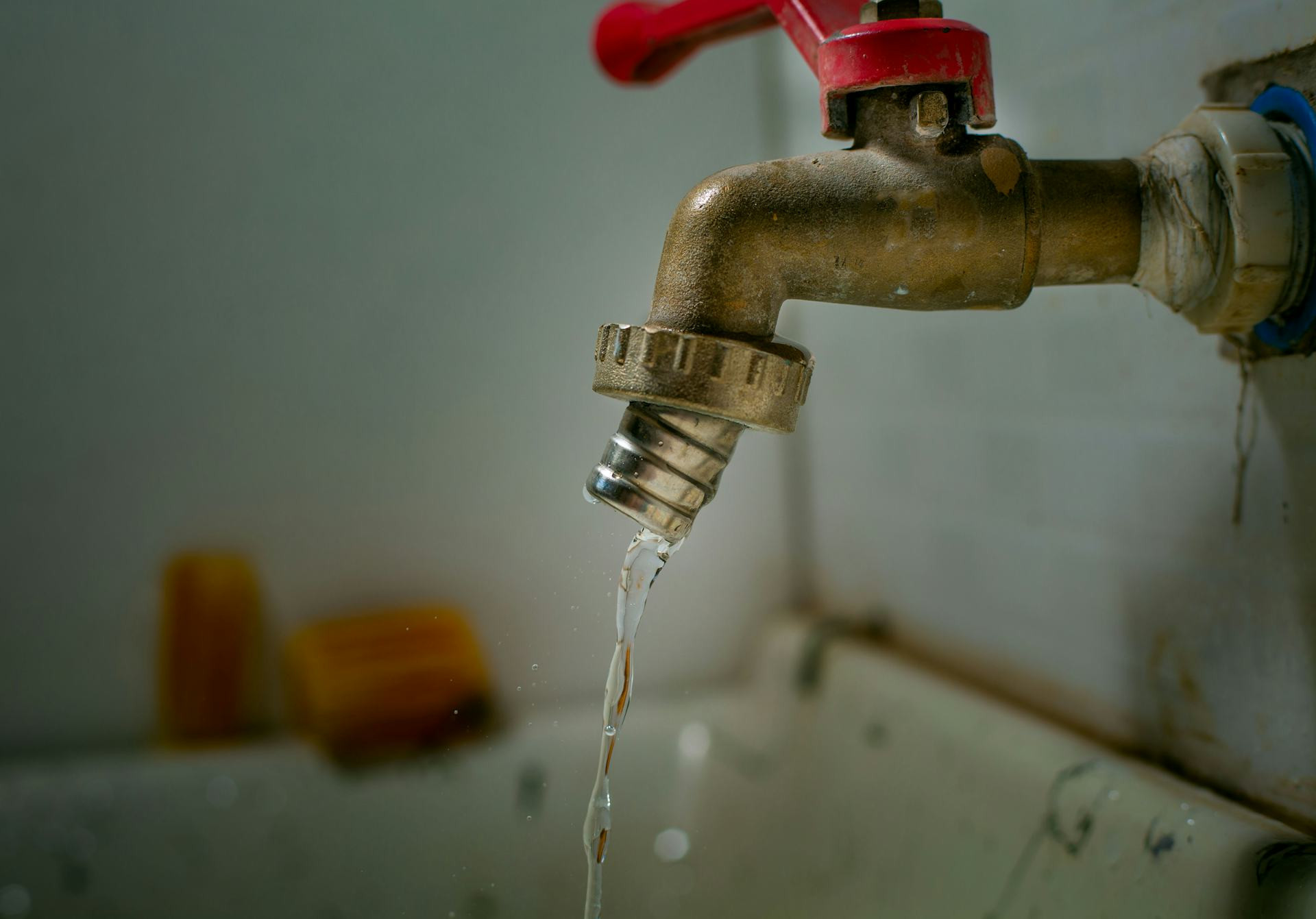
The Secret of the Water Stream: Why the Aerator Matters More Than You Think
When you turn on the faucet, you probably don’t give much thought to what happens between the handle and the stream of water that hits your hands. But behind that smooth, steady flow lies a small piece of engineering genius: the faucet aerator. This tiny device, often hidden at the tip of your faucet, mixes air into the water—and that simple act makes a bigger difference than most people realize. The aerator affects comfort, water use, and even your utility bills, making it an unsung hero of the modern household.
What Is a Faucet Aerator—and How Does It Work?
A faucet aerator is a small insert that screws onto the end of a faucet spout. Inside, it contains a fine mesh screen and small channels that draw air into the water stream. The result is a steady, full flow that feels strong, even though less water is actually being used.
By mixing air with water, the aerator reduces the total volume of water flowing out without making the stream feel weak. That means you can wash your hands, rinse vegetables, or brush your teeth using less water—without sacrificing comfort. Depending on the model and water pressure, a good aerator can cut water use by 30 to 50 percent.
Everyday Comfort and Function
The benefits of an aerator go beyond conservation. It also makes daily routines more pleasant. The air-infused stream splashes less, keeping your sink and mirror cleaner. The water feels softer on your skin because the bubbles break up the flow, creating a more even and gentle stream.
In the kitchen, an aerator helps rinse dishes and produce more efficiently. In the bathroom, it makes handwashing more comfortable. Most modern faucets come with built-in aerators, but they can also be added to older fixtures in just a few minutes.
A Small Investment with a Big Impact
Though simple in design, an aerator can have a noticeable effect on both water and energy consumption. Using less water also means using less hot water, which reduces energy use and lowers your utility bills.
For example, if a family of four replaces standard faucets with aerator-equipped models, they can save thousands of gallons of water each year. That translates into real savings on water and energy costs—and a smaller environmental footprint.
Aerators come in different types, from fixed-flow models to adjustable ones that let you control the water rate. They typically cost just a few dollars and can be installed without tools—an easy DIY upgrade with immediate benefits.
Maintenance: Keeping Your Aerator Efficient
Over time, minerals and small particles in the water can build up in the aerator’s screen, reducing water flow. That’s why it’s a good idea to clean it regularly, especially if you live in an area with hard water.
Simply unscrew the aerator, soak it in white vinegar for 10–15 minutes, and rinse it thoroughly. For heavy buildup, use a small brush to remove any residue. A clean aerator ensures optimal water flow and extends the life of your faucet.
Small Steps Toward a Greener Home
In an age when sustainability and resource conservation are more important than ever, the faucet aerator is a perfect example of how small innovations can make a big difference. It doesn’t require you to change your habits, yet it helps reduce both water waste and energy use.
It’s a reminder that progress isn’t always about big inventions—sometimes, the secret lies in the tiny details we barely notice.