Test floor colors in daylight – how to choose the right one

Test floor colors in daylight – how to choose the right one
Choosing the right floor color can completely transform a room – but it’s also one of the hardest design decisions to make. A color that looks perfect in a showroom or on a small sample can appear totally different once it’s installed in your home. Natural light, room size, and wall color all influence how a floor looks. That’s why it’s essential to test floor colors in the daylight they’ll actually live in. Here’s how to make the right choice – and avoid costly mistakes.
How light affects color
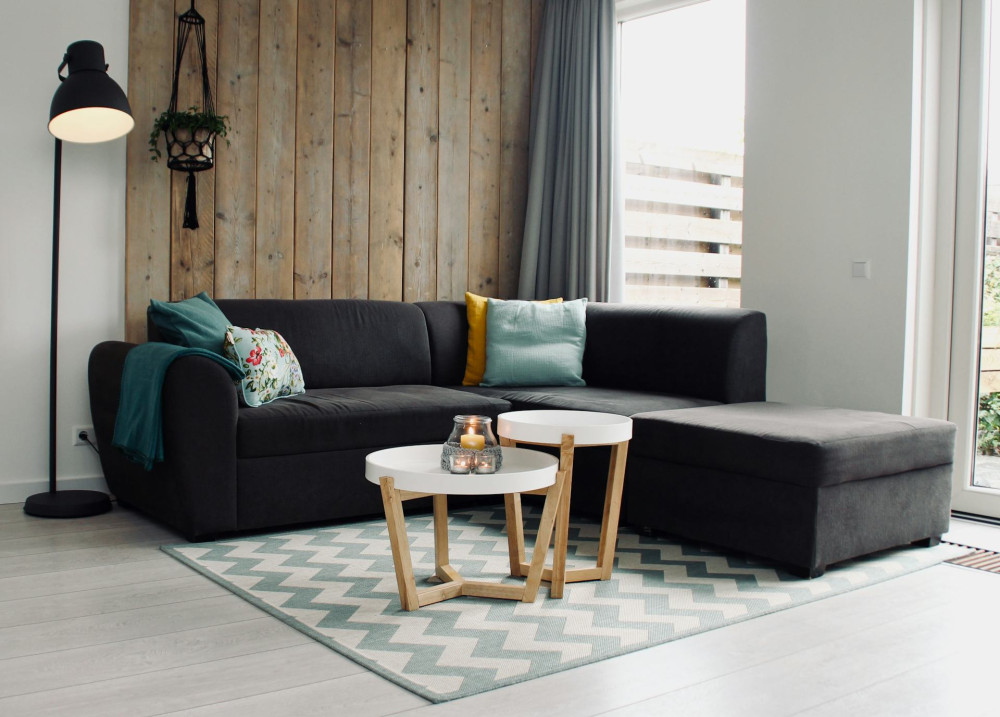
Light is the single biggest factor in how a floor color appears. A floor that looks warm and golden in the morning can turn cool and gray by evening. Always evaluate your samples in natural daylight – and at different times of day.
- North-facing rooms tend to get cooler, bluish light, which can make light floors look dull or gray. Warm tones like oak, maple, or honey brown can help balance the space.
- South-facing rooms are bathed in warm sunlight most of the day. Cooler tones such as gray, taupe, or whitewashed wood can tone down the warmth and create a calm atmosphere.
- East- and west-facing rooms change character throughout the day. Test your samples in both morning and afternoon light to see how the color shifts.
A helpful tip: take photos of your samples at different times of day. It’s easier to compare and remember how each one looked.
Use large samples – and place them correctly
Small samples can be misleading. A 4x4-inch piece doesn’t show how the color interacts with the room’s proportions and light. Ask for larger samples or buy a few planks in the color you’re considering.
Lay the samples directly on the floor where they’ll be installed – not against the wall or on a table. Floors are always viewed horizontally, and surrounding colors affect how your eyes perceive them. Move the samples around the room so you can see them in both sunlight and shadow.
Consider walls, furniture, and décor
A floor never stands alone. Wall colors, ceilings, and furniture all influence the overall look. A light floor can make white walls feel cooler, while a dark floor adds contrast and depth.
Think about the mood you want to create:
- Bright and airy: Pair light floors with neutral walls for a clean, open feel.
- Warm and cozy: Choose golden or smoked tones that complement wood furniture and soft textiles.
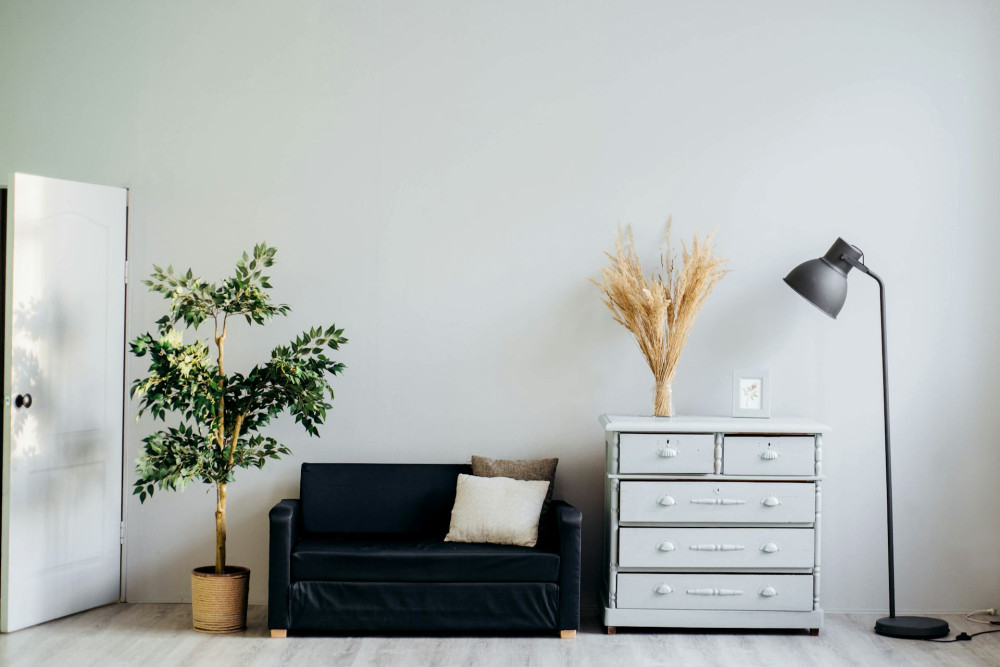
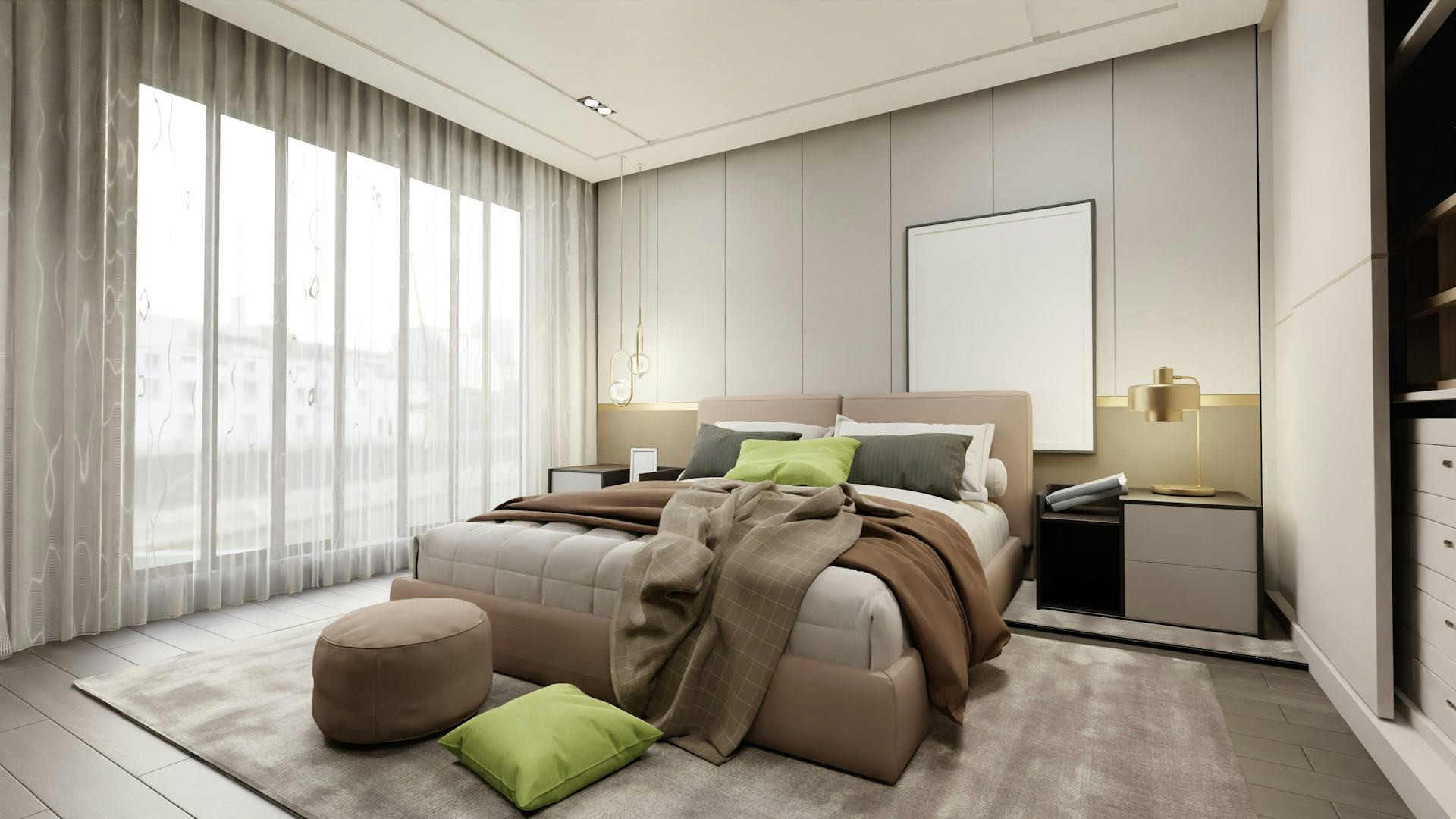
- Modern and calm: Gray or desaturated floors work well with minimalist décor and natural materials.
If you plan to repaint your walls, test the floor color with your new paint choices – not the old ones.
Finish and sheen matter too
Even two floors in the same color can look different depending on the finish. A matte surface absorbs light and gives a soft, natural look, while a glossy or polished finish reflects light and can appear lighter.
Maintenance is another factor. Dark, shiny floors show dust and scratches more easily than matte, lighter ones. For a busy household, a lightly brushed or matte finish is often the most practical choice.
Test before you commit
Before ordering your entire floor, create a test area. Install a few planks in the room where the floor will go and live with them for a few days. Observe how they look in sunlight, shade, and under artificial light in the evening. This gives you a realistic sense of how the color will behave in everyday life.
If you’re choosing hardwood, remember that wood is a natural material that changes over time. Sunlight can cause it to darken or fade. Ask your supplier how the specific species and finish will age.
Make the choice part of your design
Selecting a floor color isn’t just about aesthetics – it’s about how you want to experience your home. A light floor can make a small room feel larger, while a dark one can add warmth and intimacy to open spaces. Think about how you move through your home and how the colors flow from one room to the next.
By testing floor colors in daylight, you’ll not only achieve a more beautiful result – you’ll create a home that feels right at every hour of the day.