Tailor the Insulation Upgrade to Your Building Type

Tailor the Insulation Upgrade to Your Building Type
Upgrading your insulation is one of the most effective ways to cut energy costs and improve comfort in your home. But not all buildings are the same—and neither are their insulation needs. A successful insulation project depends on the age, structure, and materials of your building. Here’s how to tailor your insulation upgrade to your specific building type.
Know Your Building’s Structure
Before you start, it’s important to understand how your building is constructed. Homes built in different eras use different materials and methods, which affect where and how you can add insulation.
- Homes built before 1950 often have solid masonry or wood-frame walls with little or no insulation. These may require interior or exterior insulation solutions.
- Homes from the 1950s–1980s typically have wall cavities that can be filled with blown-in insulation, such as cellulose or fiberglass.
- Newer homes (built after 1990) are usually well insulated, but there may still be opportunities to improve attic, basement, or crawl space insulation.
A professional energy audit or thermal imaging inspection can help identify where heat is escaping and where upgrades will have the biggest impact.
Insulating Older Homes
Older homes often have character and charm—but also high heat loss. The key is to improve energy efficiency without compromising the building’s appearance or moisture balance.
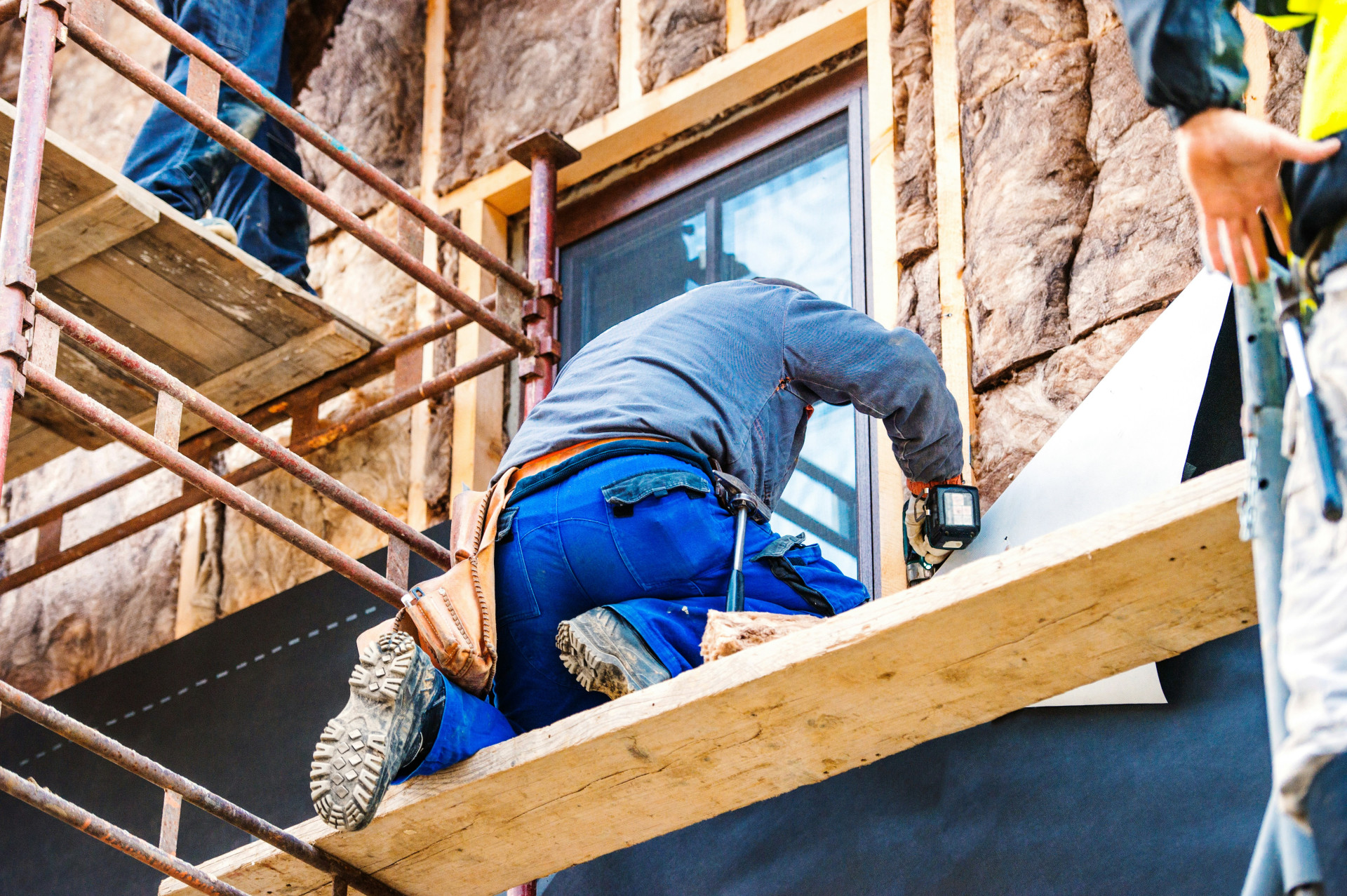
- Exterior insulation can be very effective but may alter the home’s look. It’s best suited for homes without historic facades or architectural restrictions.
- Interior insulation is an alternative when exterior changes aren’t possible, but it requires careful moisture control to prevent mold or rot.
- Attic and roof insulation is often the easiest and most cost-effective starting point, as it can be added without changing the home’s exterior.
Consulting an energy specialist or contractor experienced with older homes can help you choose the right approach.
Cavity Wall and Attic Insulation in Suburban Homes
Many mid-century suburban homes have wall cavities that were never properly insulated. Blown-in insulation—such as cellulose, fiberglass, or foam beads—can significantly reduce heat loss. The process usually takes just a day and pays for itself in a few years through lower energy bills.
Before proceeding, have a professional check that the wall cavities are suitable. Cracks, moisture, or debris can prevent the insulation from filling evenly.
Upgrading Insulation in Newer Homes
Even modern homes can benefit from targeted insulation improvements. The focus is often on fine-tuning rather than major overhauls.
- Attic and roof spaces can often accommodate an extra layer of insulation.
- Windows and doors can be upgraded with energy-efficient glazing or weatherstripping.
- Air sealing and ventilation should be considered together—especially in tight homes where moisture and air quality can become issues.
These smaller improvements can make a noticeable difference in comfort and energy use.
Avoid Common Mistakes
Insulation upgrades can deliver great results—but only if done correctly. Here are some common pitfalls to avoid:
- Skipping the vapor barrier – can lead to moisture buildup and mold.
- Over-insulating – can trap moisture and prevent the building from “breathing.”
- Ignoring ventilation – can cause poor indoor air quality.
- Uneven insulation – can create cold spots and reduce efficiency.
A certified energy auditor or insulation contractor can help plan the project to avoid costly errors and maximize your return on investment.
Think Holistically
Insulation should be part of a broader energy efficiency strategy. It rarely makes sense to insulate one area if heat is still escaping elsewhere. Consider combining insulation upgrades with window replacements, air sealing, or installing a heat recovery ventilation system.
This integrated approach not only lowers your energy bills but also creates a healthier, more comfortable indoor environment.
An Investment in Comfort and the Future
Whether you live in a historic townhouse, a mid-century ranch, or a modern suburban home, upgrading your insulation is a smart investment. The right solution depends on your building type—and on doing the work with care and respect for the structure.
With proper planning and quality materials, you can create a home that stays warmer in winter, cooler in summer, and more affordable to heat and cool all year long.