Safety First: How to Work Safely with Power Tools at Home

Safety First: How to Work Safely with Power Tools at Home
Power tools make home improvement projects faster, easier, and more precise. But with that power comes responsibility. Every year, thousands of Americans are injured while using power tools at home—accidents that could often have been prevented with a few simple precautions. Here’s a practical guide to help you work safely and confidently with power tools.
Know Your Tools – and Read the Manual
It may sound obvious, but many accidents happen because users don’t fully understand their tools. Before you switch on a new drill, saw, or sander, take the time to read the manufacturer’s manual. It explains how the tool should be used, what materials it’s designed for, and what safety measures apply.
Inspect your tools before each use. Check that cords aren’t frayed, plugs are secure, and moving parts operate smoothly. If something looks damaged or loose, have it repaired or replaced before you start.
Wear the Right Safety Gear
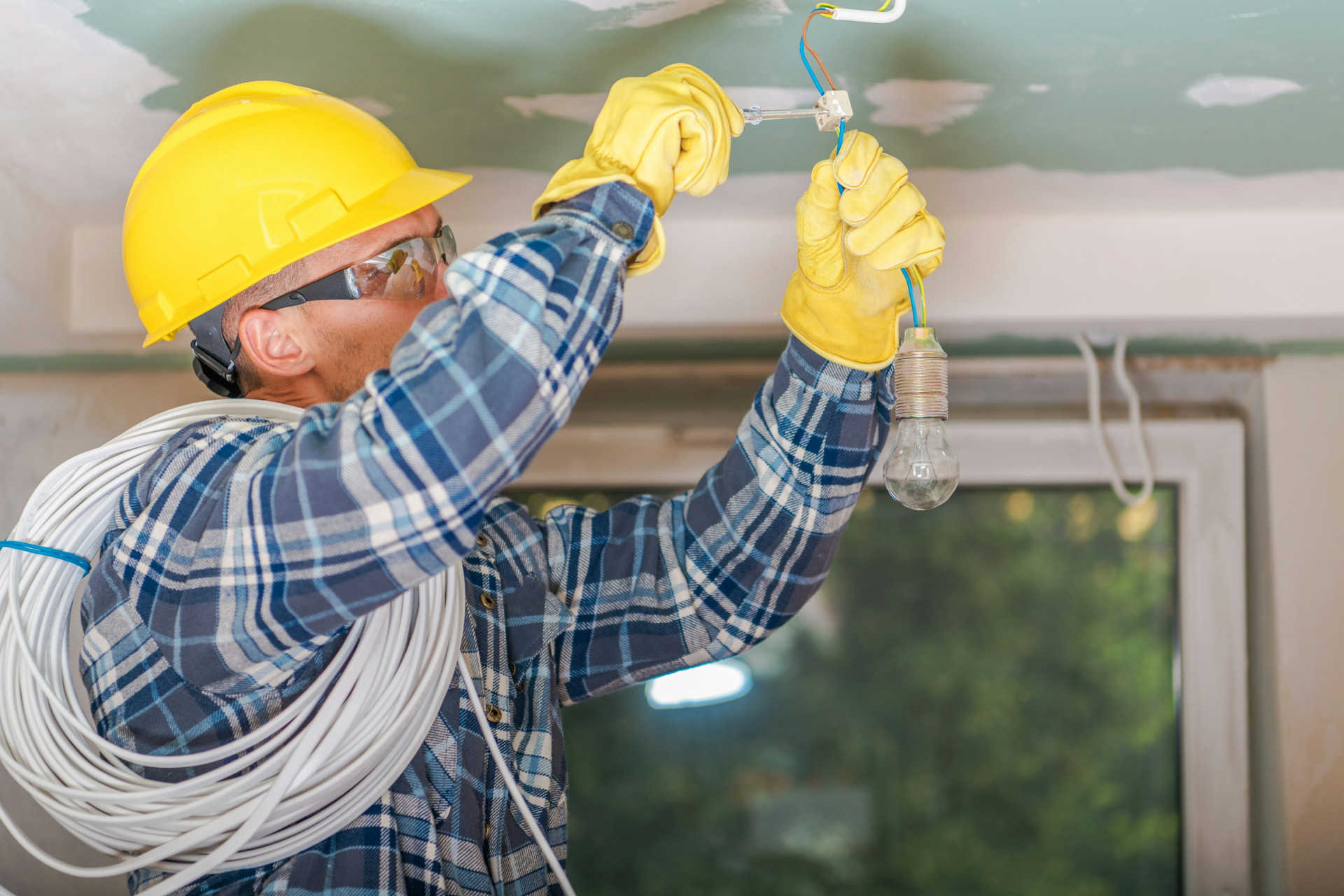
Even small projects require proper protection. The right safety gear depends on the task, but as a general rule, you should always have:
- Safety glasses or goggles – to protect your eyes from dust, debris, and sparks.
- Hearing protection – especially when using drills, circular saws, or sanders.
- Work gloves – for better grip and protection from sharp edges, but avoid loose gloves around rotating tools.
- Dust mask or respirator – when sanding, cutting, or working with materials that produce fine particles.
- Non-slip, closed-toe shoes – to keep your footing steady and your feet protected.
It might feel like a lot of gear at first, but it quickly becomes second nature—and it can save you from serious injury.
Keep Your Workspace Clean and Well-Lit
A safe workspace is an organized one. Clear away clutter, cords, and unused tools to avoid tripping hazards. Make sure your work area is well-lit so you can clearly see where you’re cutting, drilling, or sanding.
If you’re working outdoors, use extension cords rated for outdoor use, and never operate electric tools in wet or damp conditions. Water and electricity are a dangerous combination.
Use Tools the Right Way
Power tools are designed for specific purposes—respect those limits. Don’t use a drill as a screwdriver or a grinder to cut wood unless it’s designed for that purpose. Misusing tools can damage them and create dangerous situations.
Always keep both hands on the tool and make sure the material you’re working on is securely clamped or held in place. Use clamps or a workbench instead of holding materials by hand. This gives you better control and reduces the risk of slips or kickbacks.
Turn Off and Unplug When Not in Use
When you’re done—or even just taking a break—always turn off your tool and unplug it. This is especially important before changing bits, blades, or discs. Many accidents happen when tools start unexpectedly during maintenance.
Store power tools out of reach of children, and keep cords and batteries in good condition and away from heat or moisture.
Maintain and Store Your Tools Properly
A well-maintained tool is a safe tool. Clean your tools after each use, removing dust and debris, and lubricate moving parts as recommended by the manufacturer. Check that blades and bits are sharp—dull tools require more force and increase the risk of losing control.
Store tools in a dry, clean place, ideally in cases or cabinets that protect them from moisture and impact. Proper storage extends their lifespan and keeps your workspace organized.
Stay Alert – Even If You’re Experienced
Even seasoned DIYers can get hurt if they lose focus. Fatigue, stress, or rushing through a project are major risk factors. Take breaks, and stop working if you feel tired or distracted.
And remember: alcohol and power tools don’t mix. Even small amounts can impair your judgment and reaction time.
Make Safety a Habit
Working safely with power tools isn’t just about following rules—it’s about building good habits. When safety becomes part of your routine, it protects you and everyone around you.
With the right equipment, a little preparation, and respect for your tools, you can tackle your home projects safely, efficiently, and with peace of mind.