Roof Insulation for Low-Slope Roofs – What You Need to Know

Roof Insulation for Low-Slope Roofs – What You Need to Know
Low-slope roofs—often called flat roofs—are common in commercial buildings, modern homes, and additions. They offer a sleek architectural look and can be used for rooftop decks, green roofs, or solar panels. But because the slope is minimal, these roofs require special attention when it comes to insulation and moisture control. Here’s what you need to know if you’re planning to insulate a low-slope roof.
Why Insulation Matters More for Low-Slope Roofs
A low-slope roof typically has a pitch of less than 3:12. That means water and snow tend to linger longer on the surface, increasing the risk of leaks and moisture intrusion if the roof isn’t properly designed. At the same time, heat escaping from inside the building can cause condensation within the roof assembly, leading to mold, rot, and reduced insulation performance.
Good roof insulation isn’t just about saving on heating and cooling costs—it’s also about protecting the building from moisture damage and extending the roof’s lifespan. A well-insulated roof helps maintain indoor comfort and prevents costly repairs down the road.
Common Insulation Systems for Low-Slope Roofs
There are several ways to insulate a low-slope roof, depending on the building type, climate zone, and intended use.
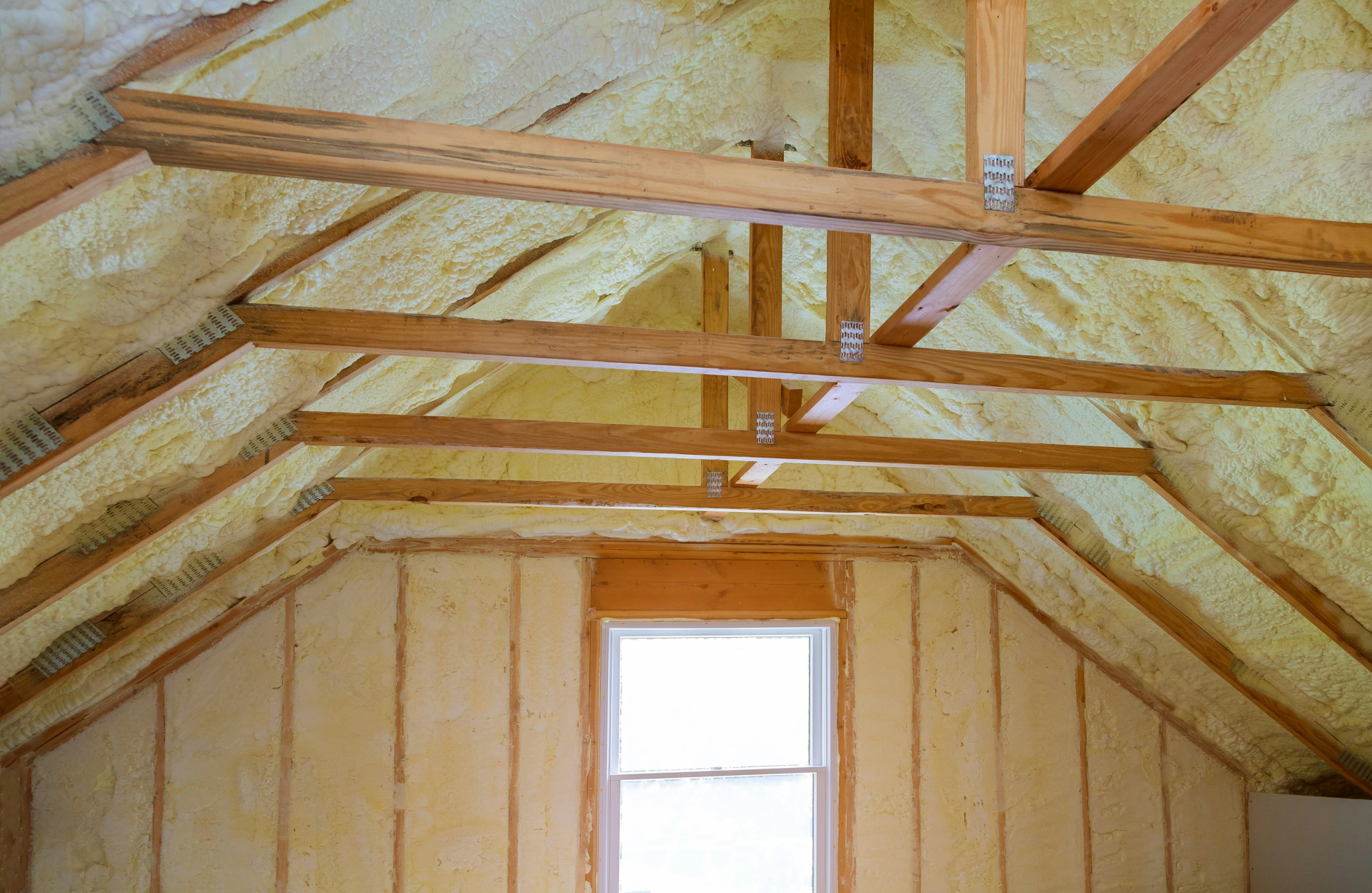
- Warm Roof (Compact Roof) – The most common system today. Insulation is installed directly above the roof deck, with the waterproof membrane placed on top. This creates a sealed, unvented assembly that’s energy-efficient and moisture-resistant when properly installed.
- Cold Roof (Ventilated Roof) – In this older design, insulation is placed below a ventilated air space that allows moisture to escape. It’s less common now because achieving consistent ventilation in low-slope roofs can be difficult.
- Inverted Roof (Protected Membrane Roof) – Here, the insulation is placed above the waterproof membrane, typically using rigid, moisture-resistant boards like extruded polystyrene (XPS). This approach is ideal for roofs with heavy use, such as rooftop patios or green roofs, since the insulation protects the membrane from temperature swings and mechanical wear.
The right system depends on your building’s structure, local climate, and energy goals.
Choosing the Right Insulation Material
Insulation for low-slope roofs must provide high thermal performance and resist moisture. The most common materials include:
- Polyisocyanurate (PIR or ISO) boards – Offer excellent R-value per inch, allowing for thinner assemblies that meet energy code requirements. Widely used in commercial and residential flat roofs.
- Mineral wool – Provides good fire resistance and sound absorption but must be carefully protected from moisture.
- Extruded polystyrene (XPS) – Highly water-resistant and durable, making it ideal for inverted or protected membrane roofs.
No matter the material, proper installation is key. Boards should be tightly fitted, staggered, and sealed to prevent thermal bridging and air leaks.
Moisture Control and Ventilation – The Critical Details
Moisture is the biggest threat to low-slope roofs. Even small leaks can cause major damage over time. Pay special attention to:
- Vapor retarder – Must be correctly placed and sealed to prevent warm, moist indoor air from reaching cold surfaces within the roof assembly.
- Roof membrane – Needs to be installed with precision, especially around penetrations like drains, skylights, and HVAC units.
- Drainage – Ensure the roof slope and drains are designed to move water off the roof quickly. Ponding water can accelerate membrane deterioration and lead to leaks.
A qualified roofing contractor can assess your roof’s condition and recommend the best insulation and moisture-control strategy.
Upgrading Insulation on Existing Low-Slope Roofs
If you have an older roof, adding insulation can be a smart investment—but it requires careful evaluation. Many older low-slope roofs were built as ventilated “cold roofs,” and simply adding more insulation without redesigning the assembly can trap moisture and cause damage.
A professional inspection can determine whether the existing roof is suitable for additional insulation or if a full replacement with a modern warm roof system is a better long-term solution. In some cases, replacing the entire roof assembly can be more cost-effective and durable than partial upgrades.
Energy Efficiency, Comfort, and Cost Savings
Proper roof insulation can significantly reduce heat loss in winter and heat gain in summer, lowering energy bills and improving indoor comfort. It also helps HVAC systems run more efficiently and reduces the risk of condensation and mold. While the upfront cost can be substantial, the long-term savings in energy and maintenance often make it worthwhile.
Depending on your location, you may qualify for federal or state energy-efficiency incentives, such as tax credits or rebates for upgrading insulation or roofing systems. Check with your local utility or the U.S. Department of Energy for available programs.
Get Professional Guidance
Low-slope roofs demand precision and experience. Small installation errors can lead to big problems later. Before starting any insulation project, consult a licensed roofing contractor or building envelope specialist familiar with low-slope systems. They can help you choose the right materials, calculate the required R-value for your climate zone, and ensure the work meets local building codes and energy standards.
A properly insulated low-slope roof is an investment in comfort, energy efficiency, and building durability—and it’s one area where cutting corners rarely pays off.