Repair or Replacement? How to Evaluate Your Roof

Repair or Replacement? How to Evaluate Your Roof
A roof doesn’t last forever—but with proper maintenance, it can often serve you well for decades. When signs of wear start to appear, many homeowners face the big question: should you repair the roof, or is it time for a full replacement? The answer depends on the roof’s age, material, and the extent of the damage. Here’s a guide to help you assess your roof’s condition and make the right decision for your home.
Know Your Roof’s Age and Material
The first step is to know how old your roof is and what it’s made of. Each roofing material has an expected lifespan:
- Asphalt shingles: 20–30 years
- Wood shakes or shingles: 25–40 years
- Metal roofing: 40–70 years
- Clay or concrete tiles: 50–100 years
- Slate: 75–150 years
If your roof is nearing the end of its expected life, major repairs may not be worth the cost. But if it’s relatively new, targeted repairs can extend its lifespan significantly.
Signs That Point to Repair
Not every roofing issue calls for a full replacement. Many problems can be fixed quickly and affordably if caught early. Watch for:
- A few missing or cracked shingles – these can be replaced individually.
- Leaks around chimneys, vents, or skylights – often solved by resealing or replacing flashing.
- Minor leaks or water stains – may be fixed with patching or sealing.
- Moss or algae growth – can be cleaned off with gentle washing and preventive treatments.
The key is to act fast. A small leak can lead to rot, mold, and structural damage if ignored for too long.
Signs That Point to Replacement
Sometimes, repairs are only a temporary fix. If your roof shows several of the following signs, replacement is often the smarter long-term choice:
- Widespread cracking, curling, or missing shingles
- Leaks in multiple areas, even after previous repairs
- Sagging roof deck or visible structural damage
- Water stains or mold in the attic, indicating moisture intrusion
- Roof age beyond its expected lifespan
A new roof may seem like a big investment, but it can increase your home’s value, improve energy efficiency, and give you peace of mind for decades.
Get a Professional Inspection
While you can spot many issues yourself, it’s wise to have a professional roofer or inspector evaluate your roof’s condition. A qualified expert can:
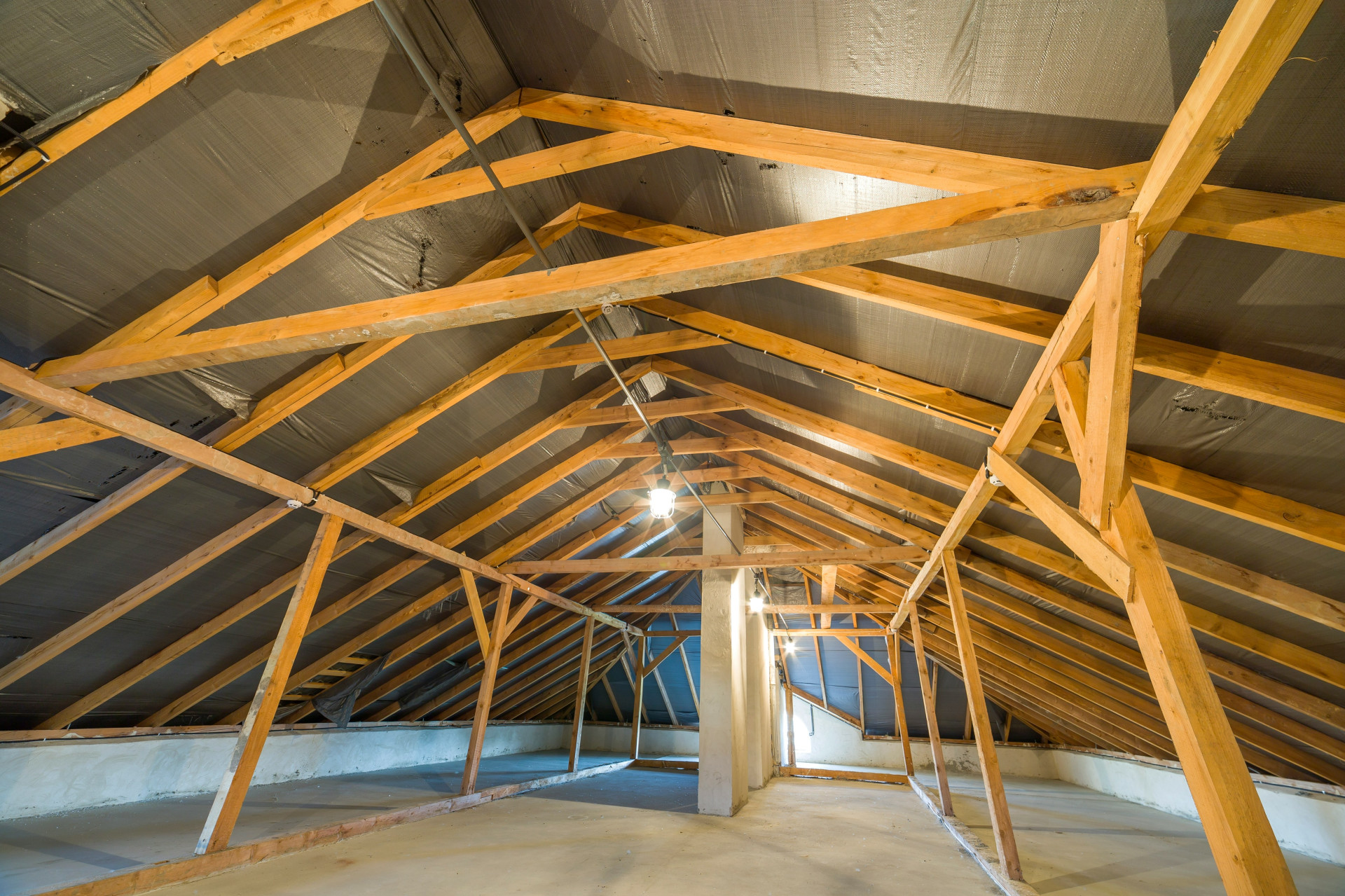
- Check the roof deck and attic for hidden damage
- Measure moisture levels and insulation performance
- Estimate how many years your roof has left
- Provide an honest recommendation on repair vs. replacement
A professional inspection typically costs a few hundred dollars but can save you thousands by preventing major damage down the road.
Consider Energy Efficiency and Cost Savings
A new roof isn’t just an expense—it can also be an opportunity to improve your home’s performance. When replacing your roof, consider:
- Upgrading attic insulation to reduce heating and cooling costs
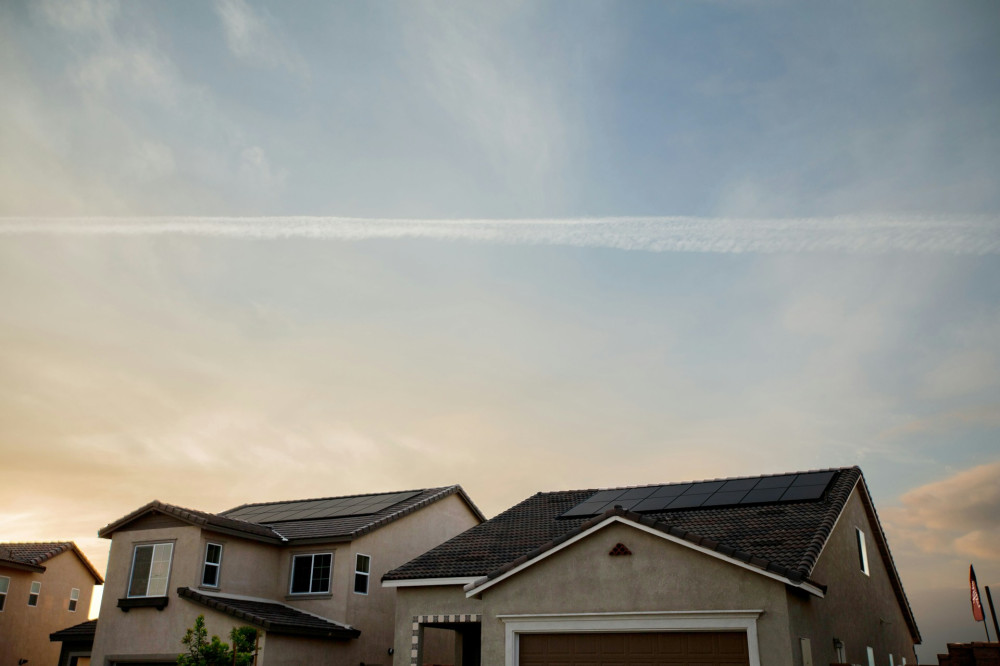
- Installing solar panels or solar shingles
- Choosing reflective or “cool roof” materials to lower summer energy bills
These upgrades can make your home more comfortable and environmentally friendly while reducing long-term maintenance costs.
Maintenance for a Longer Roof Life
Whether you repair or replace, regular maintenance is key to a healthy roof. Inspect it at least once a year—especially after severe weather—and keep gutters clear of leaves and debris. Check flashing, vents, and seals for signs of wear, and look inside your attic for any moisture or discoloration.
A well-maintained roof can last years longer than expected, protecting both your home and your investment.
Conclusion: Make an Informed Decision
Choosing between repair and replacement is about balancing cost, safety, and long-term value. An older roof with widespread damage usually calls for replacement, while a newer roof with isolated issues can often be repaired effectively. With a careful assessment and consistent maintenance, you can ensure your roof continues to protect your home—and your peace of mind—for many years to come.