Radiator leaking? Learn how to spot and fix small bathroom radiator issues before they get worse

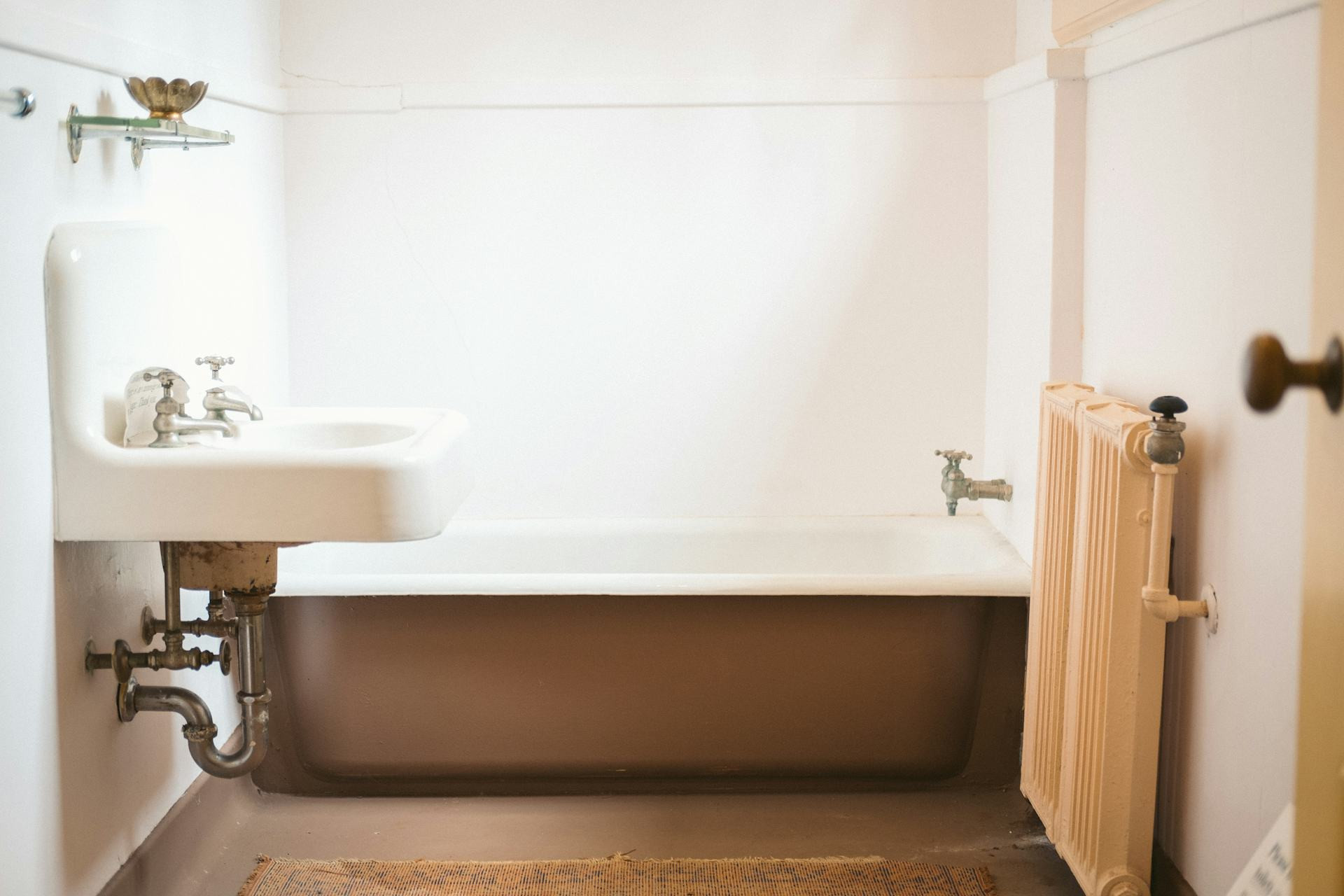
Radiator leaking? Learn how to spot and fix small bathroom radiator issues before they get worse
A small drip from your bathroom radiator might seem harmless, but it’s often a sign that something isn’t quite right. A loose valve, worn-out seal, or early corrosion can quickly turn into a bigger problem if left unchecked. The good news is that you can often identify and fix minor leaks yourself before they cause damage to your floor or heating system. Here’s a practical guide to spotting, understanding, and addressing common bathroom radiator issues.
Step one: Find where the water is coming from
When you notice a leak, the first step is to locate its source. Wipe the radiator dry with a towel and watch closely to see where the first drop appears. Common leak points include:
- The valve – where you adjust the heat. A worn or loose washer here is a frequent culprit.
- Pipe connections – especially where the radiator connects to the supply lines.
- The radiator body – rust spots or small holes can indicate corrosion.
- The bleed valve – if it’s not fully closed, water can seep out slowly.
Once you’ve found the source, you can decide whether it’s a simple fix or time to call a plumber.
Small leaks you can handle yourself
Many minor leaks can be fixed with basic tools and a little patience.
- Tighten connections gently using an adjustable wrench. Don’t overtighten—this can damage the threads.
- Replace worn washers or seals at the valve or bleed screw. These parts are inexpensive and easy to find at most hardware stores.
- Check the bleed valve – if it’s loose, tighten it carefully. Keep a towel handy, as a small amount of water may escape.
- Dry the area and monitor it for a while. If the leak stops, you’ve likely solved the problem. If not, it’s time for professional help.
When to call a professional
If water is leaking from the radiator body itself, or if you can’t pinpoint the source, it’s best to contact a licensed plumber or HVAC technician. You should also call for help if:
- The radiator is old and shows visible rust or corrosion.
- The leak is coming from a hard-to-reach area that requires disassembly.
- You notice a drop in boiler pressure or heating performance—this could indicate a larger system leak.
A professional can quickly assess whether the radiator can be repaired or if replacement is the better option.
Prevent problems with regular maintenance
As with most home systems, prevention is cheaper than repair. A few simple habits can extend your radiator’s life and help you avoid costly damage:
- Inspect your radiator a few times a year for moisture, rust, or discoloration.
- Bleed the system before heating season to remove trapped air and prevent pressure buildup.
- Keep the area around the radiator dry—bathroom humidity can accelerate corrosion.
- Avoid hanging wet towels directly on the radiator unless it’s designed for that purpose, such as a towel warmer.
Considering a replacement?
If your radiator is old, inefficient, or leaking beyond repair, replacing it might be a smart investment. Modern models are more energy-efficient and better suited for humid environments. You might even consider a heated towel rack, which warms both the room and your towels—a stylish and practical upgrade for any bathroom.
A qualified plumber can help you choose the right size and type to ensure efficient heating without wasting energy.
A small drip today can save you big tomorrow
A radiator leak rarely fixes itself. Left alone, it can lead to water damage, rust, and higher heating costs. By acting quickly and checking your radiator regularly, you can prevent expensive repairs and keep your bathroom warm, dry, and comfortable.
So the next time you hear a drip, don’t ignore it—take it as a friendly reminder to give your radiator a little attention. A small effort now can make a big difference later.