Preserve the Soul of Your Older Home with an Architect’s Help

Preserve the Soul of Your Older Home with an Architect’s Help
When you own an older home, it can be tempting to tear down walls, replace windows, and modernize every corner. But in the pursuit of comfort and efficiency, it’s easy to lose what makes your house special—its soul. With the right architect by your side, you can honor your home’s character and history while bringing it gracefully into the present. Here’s how to blend old and new in a way that feels authentic, functional, and timeless.
Understand Your Home’s Story Before You Change It
Every older home tells a story. It might be a Craftsman bungalow from the 1920s, a Victorian with ornate trim, or a mid-century ranch with clean lines and open spaces. Before you begin any renovation, it’s important to understand what defines your home’s architectural style and materials.
An architect can help you identify the original design elements—proportions, materials, and craftsmanship—that give your home its personality. This knowledge forms the foundation for thoughtful decisions. Perhaps those original wood windows can be restored instead of replaced, or a new addition can echo the roofline and rhythm of the existing structure.
Preserving the soul of your home doesn’t mean freezing it in time. It means building upon what’s already there with respect and creativity.
When Modern Living Meets Tradition
Most homeowners want a house that works for today’s lifestyle—energy-efficient, comfortable, and suited to family life. The challenge is to integrate modern amenities without erasing the home’s original charm.
An architect experienced in historic or older homes can find ways to combine modern comfort with traditional aesthetics. That might mean hiding new wiring and HVAC systems within existing walls, adding insulation discreetly, or choosing finishes that complement the home’s original materials.
For example, you might refinish original hardwood floors and install radiant heating beneath them, or use breathable lime-based paints that protect old plaster while maintaining its texture. These choices create a healthy, beautiful environment that feels both current and true to the home’s origins.
Additions That Respect the Original Design
Many older homes need more space—perhaps a larger kitchen, a family room, or a home office. The key is to expand without overwhelming the original structure. This is where an architect’s guidance is invaluable.
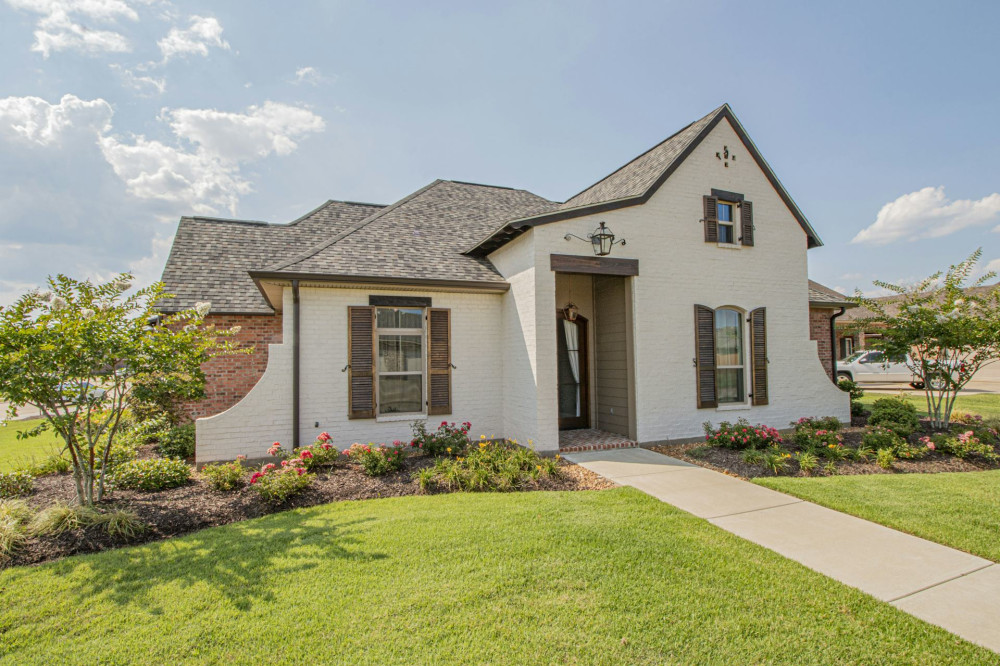
A good rule of thumb is that new and old should speak the same language without mimicking each other. Using materials that harmonize with the existing home, but in a contemporary way, can create a seamless connection. A glass-walled sunroom, for instance, can complement a brick Colonial without feeling out of place.
An architect will also ensure that proportions, rooflines, and window placements align with the home’s established rhythm—details that make the difference between a harmonious addition and one that feels jarring.
Energy Upgrades Without Losing Character
Improving energy efficiency is often a priority in older homes, but it must be done thoughtfully. Replacing windows, adding insulation, or re-siding can dramatically alter a home’s appearance if not handled carefully.
An architect can recommend solutions that enhance performance while preserving aesthetics. This might include interior insulation instead of exterior, restoring original windows with energy-efficient glass, or using natural materials that suit the home’s construction. The goal is to balance sustainability with preservation—seeing energy upgrades as an opportunity to strengthen the home’s integrity, not erase it.
The Partnership Between Craft and Design
Older homes often require specialized craftsmanship. An architect can connect you with tradespeople skilled in traditional techniques—carpenters who understand old joinery, masons who work with lime mortar, or plasterers who can restore decorative details.
When architects and craftspeople collaborate, the results are both beautiful and durable. It’s in the details—the window casings, the brickwork, the rooflines—that your home’s soul truly lives.
A Home with History and a Future
Preserving the soul of an older home is about more than aesthetics—it’s about identity. When you choose to respect your home’s history, you become part of its ongoing story, creating a place where past and present coexist.
With an architect’s help, you can craft a home that feels modern yet rooted, efficient yet full of character. A place where you can sense the history in the walls while enjoying the light, comfort, and functionality of today.
That balance is what keeps an older home alive—and ensures that its soul endures for generations to come.