Practical and Pretty: Combine Storage and Decoration in the Kids’ Room

Practical and Pretty: Combine Storage and Decoration in the Kids’ Room
A child’s room has to do it all — it’s a place for play, rest, creativity, and storage. With so many functions packed into one space, it can easily become cluttered. The good news? With a few smart ideas, you can make storage part of the décor, creating a room that’s both functional and inviting. Here’s how to design a kids’ room that looks great, stays organized, and grows with your child.
Think in Zones – and Give Everything a Place
Start by dividing the room into zones: one for play, one for sleep, and one for storage. This helps your child understand where things belong and makes tidying up easier.
- Play zone: Use open bins or baskets so toys are easy to see and reach.
- Sleep zone: Keep this area calm and uncluttered. Under-bed drawers or boxes are perfect for storing extra bedding or stuffed animals.
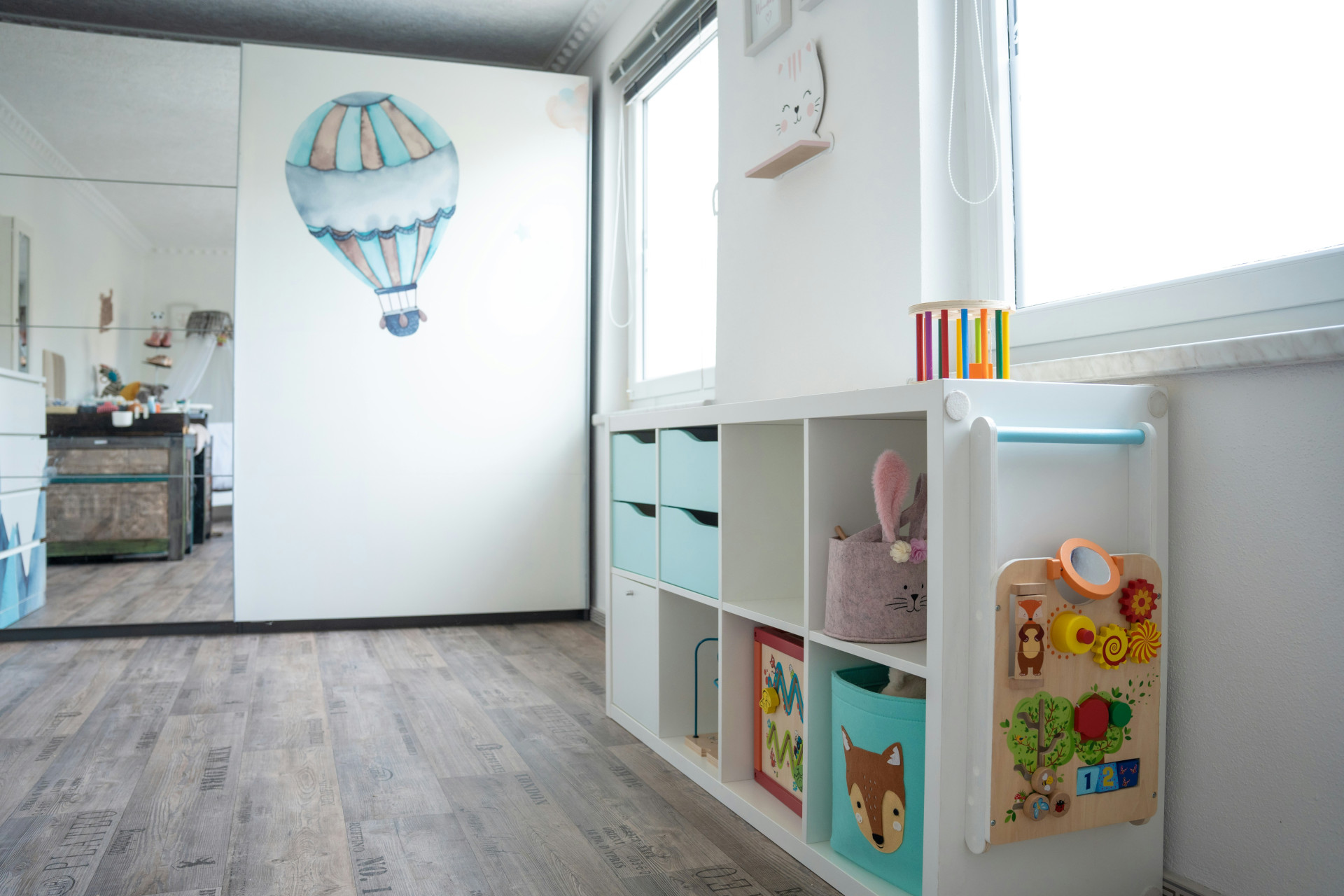
- Storage zone: A low dresser, cubby shelf, or wall-mounted unit can hold books, games, and art supplies.
When every item has a home, the room feels more peaceful — and cleanup becomes part of the routine.
Choose Multifunctional Furniture
In smaller rooms, every inch counts. Multifunctional furniture helps you make the most of the space.
- A bed with built-in drawers or shelves adds hidden storage.
- A desk with cubbies can serve as both homework station and craft table.
- A storage bench doubles as seating and a place to stash toys or clothes.
These pieces keep the room flexible and stylish without sacrificing practicality.
Make Storage Part of the Design
Storage doesn’t have to be boring. In fact, it can be one of the most decorative elements in the room.
Try woven baskets for a natural, cozy look, or colorful bins to add personality. Paint shelves the same color as the wall for a calm, cohesive feel — or go bold with contrasting hues for a playful vibe.
Open shelving is another great way to display favorite books, artwork, or collectibles. It adds character and makes it easy to update the décor as your child’s interests change.
Create Systems That Work for Your Child
For storage to actually work, it needs to be designed with your child in mind. Younger kids benefit from simple systems they can understand and manage on their own.
Use low bins with picture labels so they can see what goes where. For older kids, add more specific categories — one bin for building blocks, one for dolls, one for art supplies. When the system makes sense to them, tidying up becomes second nature.
Use the Walls – Think Vertically
Wall space is often underused, but it’s a great way to free up the floor and make the room feel larger.
- Install shelves above the desk for books and décor.
- Add hooks or peg rails for backpacks, dress-up clothes, or hats.
- Try hanging organizers or wall pockets for small items.
This approach keeps essentials within reach while turning the walls into part of the design.
Add Personality with Color and Details
A kids’ room should reflect their personality. Use color, patterns, and small details to make the space feel uniquely theirs.
You might paint one wall in a soothing shade and let the storage pieces pop in brighter tones, or keep furniture neutral and bring in color through rugs, bedding, and artwork. Let your child help choose colors or themes — it gives them ownership and makes the room feel special.
A bulletin board, a gallery of their drawings, or a shelf for favorite treasures can make the space feel lively and personal.
Design a Room That Grows with Your Child
Kids grow fast, and their rooms should be able to grow with them. Choose furniture that can adapt over time — a low shelf that later becomes a bookcase, or a toy chest that turns into storage for school supplies.
By planning for flexibility, you’ll save time and money while keeping the room functional and fresh through every stage.
Practical and Pretty – in Perfect Balance
When storage and decoration work together, the kids’ room becomes both organized and inviting. It’s not about perfection — it’s about creating a space where your child feels comfortable, creative, and at home.
With thoughtful planning, clever furniture, and a touch of personality, you can design a room that’s practical, pretty, and perfectly suited to your family’s everyday life.