Measure Before You Buy: Plan Your Kid’s Room Layout Smartly

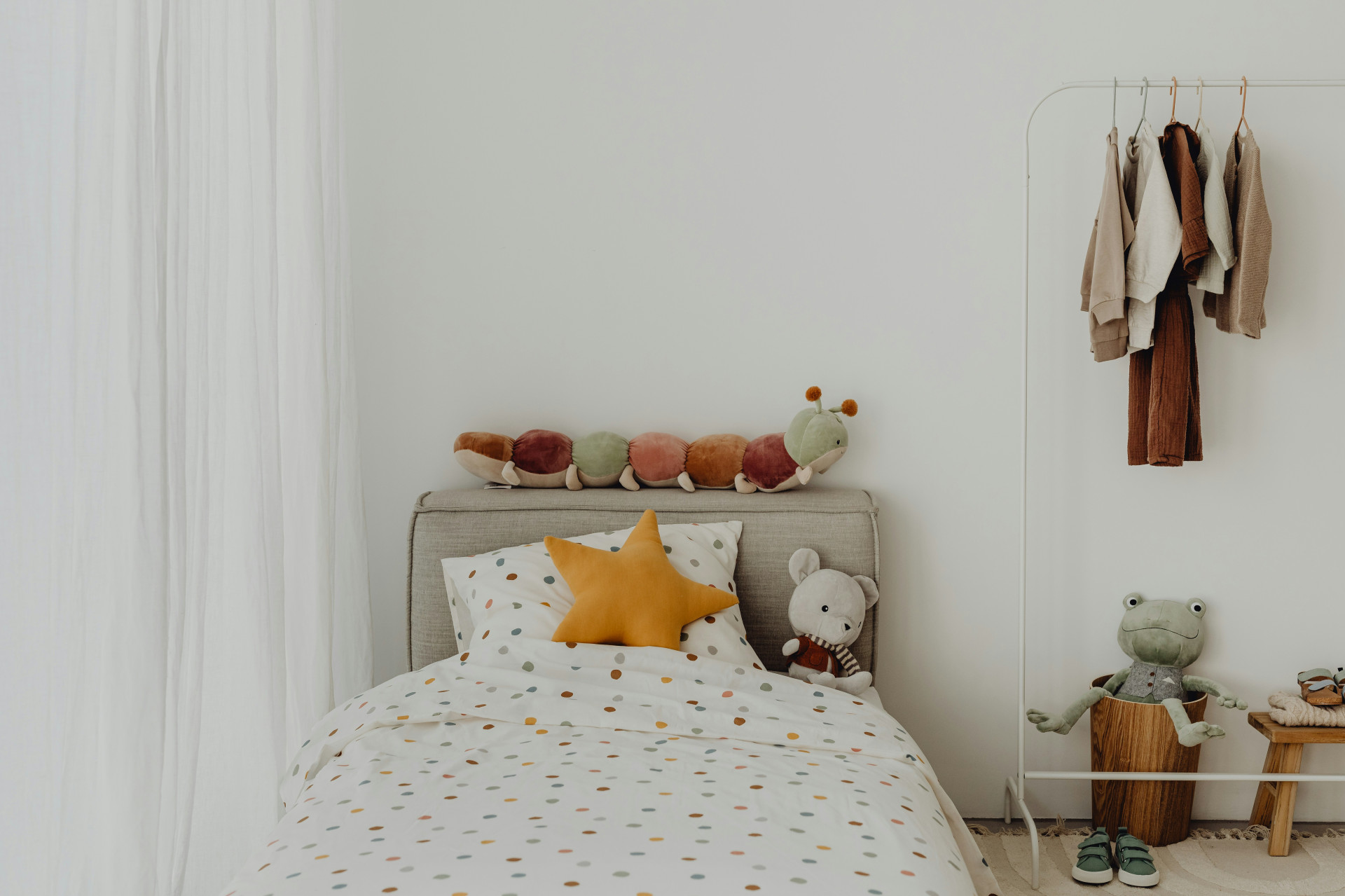
Measure Before You Buy: Plan Your Kid’s Room Layout Smartly
When it’s time to set up your child’s room, it’s easy to get swept up by adorable furniture and Pinterest-perfect décor. But before you hit “add to cart,” there’s one step that can save you time, money, and frustration: measuring. A well-designed room starts with accurate dimensions and a clear plan for how the space will be used. Here’s how to plan your kid’s room layout smartly—from the first tape measure pull to the finished, functional space.
Start with the Room’s Basics
Before you even think about furniture, get to know the room’s exact measurements. Write down the length, width, and height, and note any features that affect layout—like windows, doors, baseboard heaters, or built-in closets. These details often determine whether a dresser fits or if a bed can go where you imagined.
Sketch a simple floor plan—on paper or using a free online tool—and mark fixed elements such as outlets, vents, and window placements. This gives you a realistic sense of how much usable floor space you actually have.
Think in Zones, Not Just Furniture
A child’s room needs to serve multiple purposes: sleeping, playing, storing, and eventually studying. Instead of focusing on individual pieces, plan the room in zones.
- Sleep zone: Create a calm, cozy area. Place the bed away from doors and windows to minimize drafts and noise.
- Play zone: Leave open floor space for movement and creativity. A soft rug or a low shelf with toys within reach encourages independent play.
- Storage zone: Use vertical space with shelves, bins, or under-bed drawers to keep clutter under control.
- Work zone: As your child grows, add a small desk or flexible workspace that doesn’t overwhelm the room.
By thinking in zones, you’ll design a space that can evolve with your child—without needing a full makeover every few years.
Measure Furniture—and Plan for Movement
A common mistake is buying furniture that looks perfect online but overwhelms the room in real life. Use your tape measure actively: measure both the furniture and the space it will occupy. Remember to account for drawers, cabinet doors, and walking paths.
A great trick is to outline furniture footprints on the floor with painter’s tape before buying. It helps you visualize how the room will feel once everything is in place.
Choose Flexible Solutions
Kids grow fast, and their needs change just as quickly. It’s worth investing in furniture that adapts over time. A crib that converts into a toddler or twin bed, or a height-adjustable desk, can extend the life of your purchases.
Modular shelving and storage systems are also smart choices—they can be rearranged, expanded, or repurposed as your child’s interests and belongings evolve.
Light and Color Matter
Lighting plays a big role in how a room feels and functions. A kid’s room needs both good task lighting and cozy ambient light. Position the desk near a window for natural light, and add an adjustable lamp for homework or crafts. A dimmable ceiling light or a nightlight can make bedtime more comfortable.
Color also affects mood. Light tones make small rooms feel larger, while a few bold accents or a fun wallpaper can add personality without overwhelming the space. Let your child have a say in the color scheme—it helps them feel ownership and pride in their room.
Plan for Change
A child’s room is never static. It should adapt as your child moves from toddler to tween and beyond. By planning flexibly from the start—with movable furniture, neutral colors, and modular storage—you’ll make future updates easier and more affordable.
Small changes like new bedding, wall art, or lighting can refresh the space without a full redesign. Sometimes, it’s the little updates that make the room feel brand new.
A Room That Grows with Your Child
Measuring and planning before you buy isn’t just about inches and square feet—it’s about creating a space that truly works for your family. A kid’s room should be safe, functional, and inspiring. With a thoughtful plan, you can avoid costly mistakes, make the most of every inch, and design a room that grows right alongside your child.