Masonry That Lasts – Even in a Changing Climate

Masonry That Lasts – Even in a Changing Climate
Across the United States, masonry faces new challenges as weather patterns shift. From coastal humidity and heavy rainfall to freeze-thaw cycles in northern states and extreme heat in the Southwest, climate change is testing the durability of our buildings. Good masonry today is about more than craftsmanship and appearance—it’s about resilience, moisture control, and sustainable choices. Here’s how to ensure your brickwork stands strong for decades, no matter what the climate brings.
Climate Challenges for American Masonry
In recent years, the U.S. has seen more intense storms, longer droughts, and greater temperature swings. These conditions can take a toll on masonry. Water that seeps into mortar joints or bricks can freeze and expand, causing cracks and spalling. In hot, arid regions, prolonged sun exposure can dry out mortar and lead to surface erosion. Meanwhile, coastal areas face salt-laden air that corrodes materials over time.
That’s why it’s essential to consider local climate conditions when building or renovating. Durable masonry must breathe, shed moisture, and withstand both heat and cold—without losing its structural integrity or visual appeal.
Choosing the Right Materials
The longevity of any masonry project begins with the right materials. Not all bricks, blocks, or mortars are created equal, and the best choice depends on the building’s location and exposure.
- Brick and block: In wet or coastal climates, choose low-absorption, high-fired clay bricks or concrete blocks designed for moisture resistance. In freeze-prone areas, select units rated for severe weather exposure.
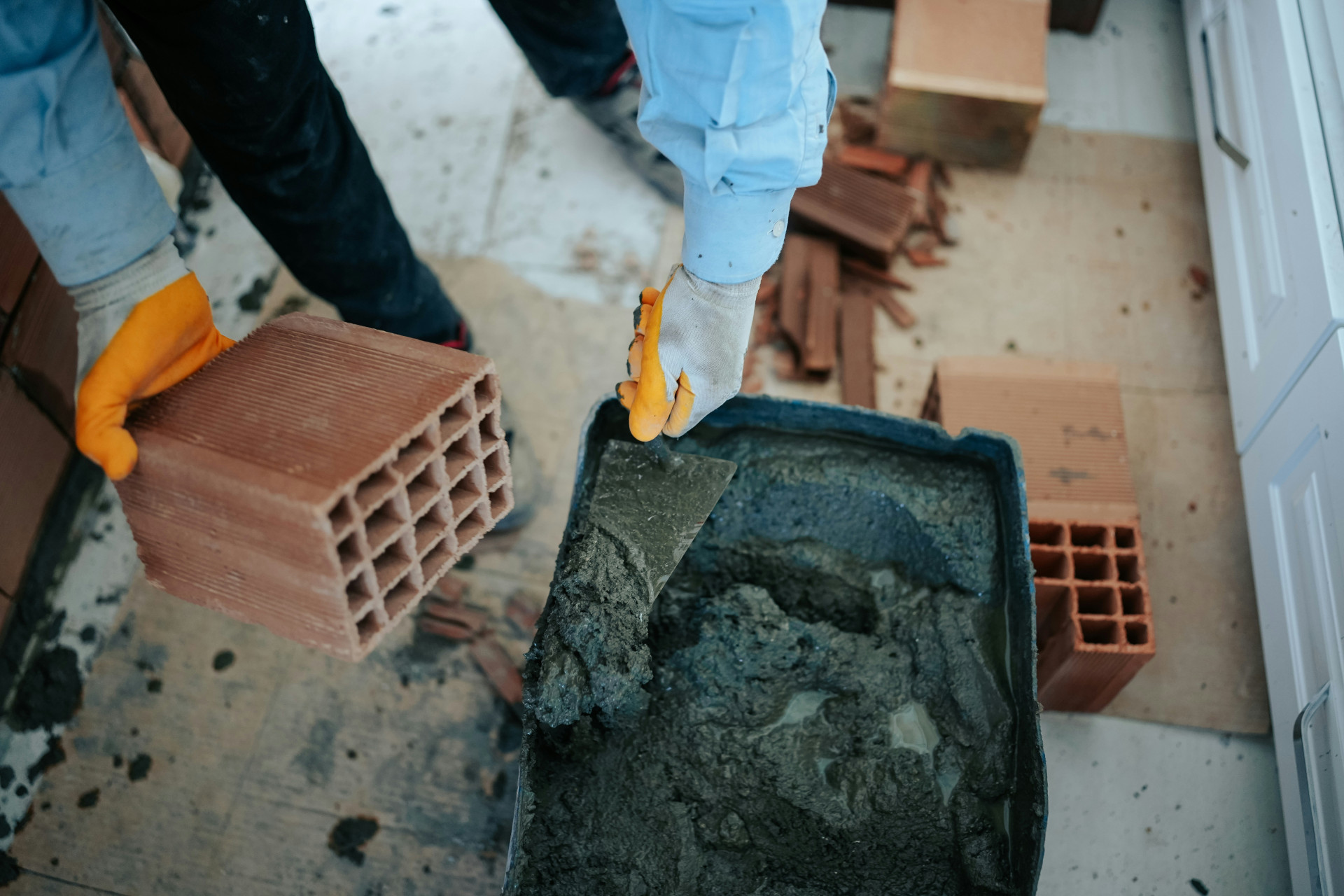
- Mortar: Match the mortar’s strength and flexibility to the masonry unit. A mortar that’s too hard can cause cracking, while one that’s too soft may crumble. Lime-based or blended mortars often provide a good balance.
- Joints: Properly tooled and sealed joints are the first line of defense against water intrusion. Pay attention to joint profiles and ensure consistent workmanship.
When restoring older buildings, it’s important to use materials compatible with the original construction. Modern cement mortars can trap moisture in historic brickwork, leading to damage over time.
Managing Moisture – Masonry’s Greatest Enemy
Moisture is the root cause of most masonry deterioration. It can come from rain, groundwater, or even indoor humidity. Effective moisture management requires a holistic approach.
- Drainage systems: Keep gutters, downspouts, and splash blocks clear so water is directed away from walls and foundations.
- Foundations and grading: Ensure proper grading and drainage around the building to prevent water from wicking upward.
- Surface treatments: Avoid impermeable paints or sealers that trap moisture. Instead, use breathable coatings that allow vapor to escape.
Inspect your masonry at least once a year—especially after winter or major storms. Small cracks or deteriorating joints can be repaired before they lead to larger structural issues.
Energy Efficiency and Sustainability
Modern masonry isn’t just about strength—it’s also about energy performance and environmental responsibility. Well-insulated masonry walls can reduce heating and cooling costs while improving indoor comfort. Builders today can choose materials with lower carbon footprints, such as recycled brick, fly ash-based mortar, or locally sourced stone.
In new construction, combining traditional masonry with modern systems—like insulated backup walls or ventilated cavities—can deliver both durability and energy efficiency. The result is a building that’s beautiful, long-lasting, and environmentally sound.
Maintenance – The Key to Longevity
Even the best-built masonry requires regular care. Routine maintenance can extend the life of your walls and preserve their appearance.
- Gentle cleaning: Use low-pressure washing and mild detergents. High-pressure cleaning can damage brick surfaces and mortar joints.
- Repointing: Replace deteriorated mortar with compatible materials before water infiltration becomes a problem.
- Monitor movement: Cracks near windows, doors, or corners may indicate settling or structural shifts that need professional evaluation.
A well-maintained masonry structure not only looks better but also retains its value and performance over time.
Building for the Future
As climate conditions continue to evolve, so must our approach to construction. Masonry professionals across the U.S. are combining time-tested techniques with new research on moisture control, energy efficiency, and sustainable materials. The goal is simple: to build and restore structures that endure.
Masonry that lasts is more than a matter of strength—it’s a commitment to quality, adaptability, and respect for the environment. With the right materials, design, and care, your brickwork can stand firm for generations, even in a changing climate.