Maintenance Check: How to Prepare Your Heating System for Seasonal Changes

Maintenance Check: How to Prepare Your Heating System for Seasonal Changes
As the seasons shift, so do our comfort needs. After a long winter, your heating system may be ready for a break, while late summer is the perfect time to prepare it for the colder months ahead. Regular maintenance isn’t just about avoiding breakdowns—it’s also a smart way to save energy and money. Here’s a guide to help you keep your heating system running efficiently all year long.
Why Regular Maintenance Matters
Your heating system works hard for much of the year, and even small issues—like dust buildup or minor leaks—can reduce efficiency. A seasonal maintenance check ensures your system runs smoothly, prevents costly repairs, and can improve energy efficiency by up to 10–15 percent.
Maintenance is also about safety and peace of mind. A well-maintained system reduces the risk of carbon monoxide leaks, uneven heating, and unexpected failures when you need warmth the most.
Spring: Time to Turn It Down
When outdoor temperatures rise, it’s tempting to shut your heating system off completely—but that’s not always the best idea.
- Lower the thermostat, don’t shut it off. Keeping the system running at a low setting helps prevent valves and pumps from seizing up during months of inactivity.
- Bleed your radiators or baseboard heaters. Air trapped in the system can cause uneven heating and noise. Release any air until only water flows out.
- Check system pressure. For boilers, the pressure gauge should typically read between 12 and 15 psi. If it’s lower, you may need to add water to the system.
Spring is also a great time to schedule a professional inspection while your system isn’t in heavy use.
Summer: Clean and Inspect
Even though your heating system may be idle during summer, it’s the ideal time for cleaning and preventive maintenance.
- Clean around the furnace or heat pump. Remove dust, debris, and clutter to ensure proper airflow. Replace or clean filters to maintain efficiency.
- Inspect the blower and vents. Make sure fans and ducts are free of obstructions. Clean vents and registers to improve air circulation.
- Check for leaks or corrosion. Look for moisture around pipes, valves, or the furnace base. Small leaks can lead to bigger problems if ignored.
If you have a gas or oil furnace, summer is the perfect time to schedule your annual professional tune-up—before technicians get busy in the fall.
Fall: Get Ready for Heating Season
As temperatures drop, your heating system needs to be in top shape. A fall checkup ensures reliable performance when you need it most.
- Test your system early. Turn on the heat a few weeks before cold weather sets in. This gives you time to address any issues before you really need it.
- Check thermostats and controls. Make sure they respond properly and consider upgrading to a programmable or smart thermostat for better energy management.
- Inspect insulation and ductwork. Seal leaks and insulate exposed pipes to reduce heat loss.
- Check the flue or venting system. Make sure it’s clear of blockages, nests, or soot buildup to ensure safe operation.
Fall is also a good time to review your energy usage and consider upgrades, such as a high-efficiency furnace or improved zoning controls.
Winter: Monitor and Maintain
When the cold sets in, your heating system works its hardest. Regular checks during winter can help you avoid mid-season breakdowns.
- Keep an eye on pressure and temperature. Sudden drops may indicate a leak or air in the system.
- Listen for unusual noises. Rattling, banging, or whistling sounds can signal issues with the blower, motor, or valves.
- Ensure proper ventilation. Especially for gas systems, make sure vents and air intakes are unobstructed to prevent dangerous gas buildup.
- Replace filters regularly. Dirty filters restrict airflow and force your system to work harder, increasing energy use.
If you notice uneven heating or cold spots, it may be time to have your system balanced by a professional.
Professional Service Pays Off
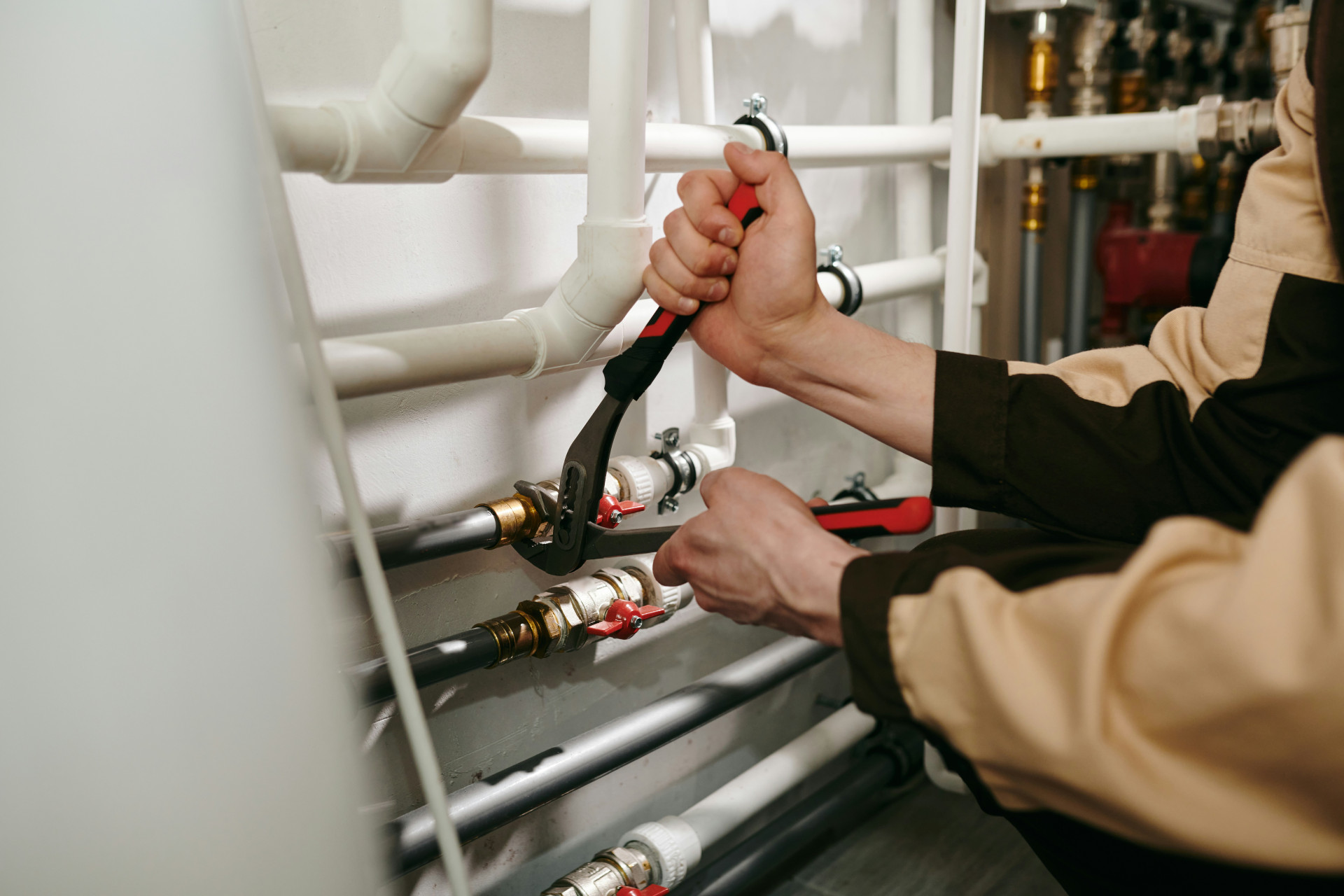
While many maintenance tasks can be done yourself, an annual professional inspection is a wise investment. A certified HVAC technician can clean burners, check safety controls, test efficiency, and make precise adjustments to keep your system running at peak performance.
A well-maintained heating system lasts longer, uses less energy, and provides consistent comfort throughout your home. It’s good for your wallet—and for the environment.
A System That Keeps Up With the Seasons
Preparing your heating system for seasonal changes is all about planning ahead. With regular maintenance and a few simple checks, you can ensure reliable performance year-round—whether your system is resting in the summer or working hard through the winter chill.
A maintenance check isn’t just a technical task—it’s a way to protect your home, your comfort, and your energy budget. And that’s a benefit you’ll feel every season.