Large or Small Tiles? How to Choose the Right Size for Your Bathroom

Large or Small Tiles? How to Choose the Right Size for Your Bathroom
When remodeling a bathroom, tile size is just as important as color and material. The size of your tiles affects not only the look of the space but also how easy it is to maintain. Large tiles can create a sleek, modern feel, while smaller tiles add texture and flexibility. But how do you decide which size is right for your bathroom? Here’s a guide to help you make the best choice.
How Tile Size Affects the Look of Your Space
Tile size has a big impact on how your bathroom feels. In general, large tiles make a room appear more spacious, while small tiles add visual interest and detail.
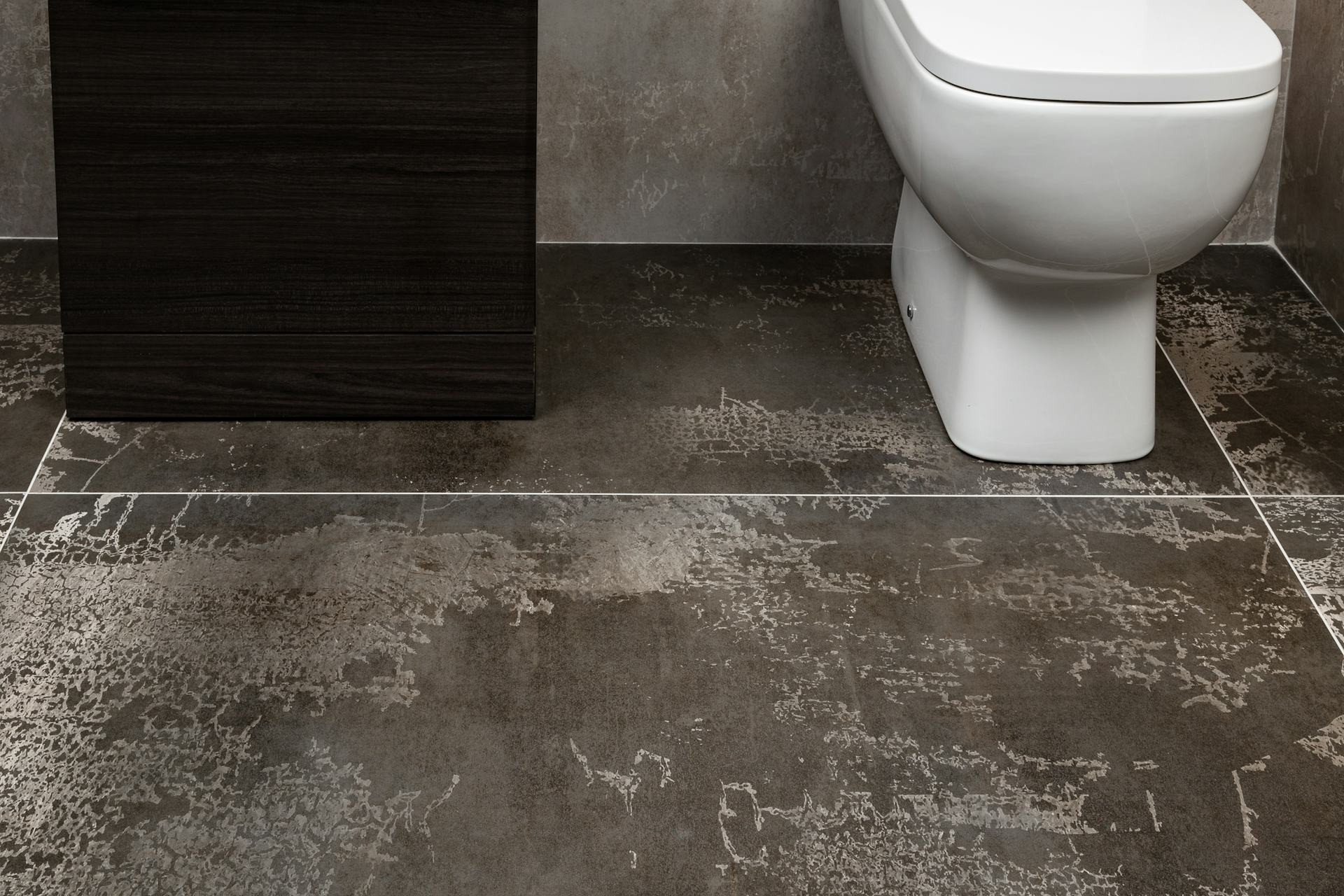
- Large tiles (typically 24x24 inches or larger) create a clean, seamless look with fewer grout lines. This can make a small bathroom feel more open and calm—especially if you choose light colors and narrow grout joints.
- Small tiles (such as mosaics or 4x4 inches) bring texture and character. They’re great for accent walls, shower niches, or backsplashes, and they can make a big design statement even in a small area.
Think about the atmosphere you want to create: airy and minimalist, or cozy and detailed.
Practical Considerations: Slope, Grout, and Cleaning
Beyond aesthetics, there are practical factors to consider. Bathroom floors need a slope toward the drain, and tile size can affect how easily that slope is achieved.
- Small tiles are easier to install on sloped surfaces, such as shower floors, because they can follow the contour without cracking. That’s why mosaics are often used in shower pans.
- Large tiles require a flatter surface and more precise installation, but they have fewer grout lines—meaning less cleaning and fewer places for mold or soap scum to build up.
If you love the look of large tiles, consider combining them with smaller ones in the shower area for the best of both worlds.
Style and Proportion
Tile size should also match the proportions of your bathroom and the style you’re going for. A small bathroom can handle large tiles if they’re installed thoughtfully.
- In small bathrooms, large wall tiles can make the space feel bigger, especially in light shades with minimal grout contrast.
- In larger bathrooms, you can mix and match sizes—large tiles on the floor with smaller ones on the walls—to add depth and interest.
- Rectangular tiles can visually change the shape of the room: laid horizontally, they make the space feel wider; laid vertically, they make it feel taller.
Consider how your tile choice complements your fixtures, lighting, and overall design. A wall of large tiles behind a mirror can create a spa-like feel, while smaller tiles around the vanity can add a touch of personality.
Materials and Finishes
Tile size often goes hand in hand with material and finish. Porcelain tiles are available in large formats and are durable and water-resistant, making them ideal for bathrooms. Ceramic tiles are often smaller and come in a wide range of colors and patterns. Mosaics can be made from glass, stone, or ceramic and are perfect for decorative accents.
Also think about the finish:
- Matte tiles offer a soft, natural look and hide water spots well.
- Glossy tiles reflect light and can make a room feel larger, but they may require more frequent cleaning to maintain their shine.
Mixing Sizes for a Custom Look
You don’t have to stick with one tile size throughout your bathroom. Many homeowners combine different sizes to create contrast and define zones. For example, use large tiles on the floor and smaller ones in the shower or as a border on the wall. This approach adds visual interest and helps highlight specific areas.
Another stylish option is to use the same tile in multiple sizes. This creates a cohesive look while adding subtle variation.
How to Make the Right Choice
When deciding on tile size, start by asking yourself three key questions:
- What feeling do I want in the space? Open and serene, or detailed and cozy?
- How much maintenance am I willing to do? Fewer grout lines mean easier cleaning.
- What are the room’s dimensions and layout? Smaller tiles offer flexibility; larger tiles require precision.
Always bring home samples and view them in your bathroom’s lighting—tiles can look very different under natural and artificial light.
Conclusion: Finding the Perfect Balance
There’s no single “right” tile size for every bathroom. The best choice balances aesthetics, practicality, and proportion. Large tiles create a modern, spacious look, while small tiles add charm and flexibility. Often, the most beautiful bathrooms use a combination of both.
With the right tile size—and a thoughtful design—you can create a bathroom that’s stylish, functional, and perfectly suited to your everyday life.