Keep Your Construction Project on Track – From Planning to a Finished New Build

Keep Your Construction Project on Track – From Planning to a Finished New Build
Building a new home is a dream for many Americans—and one of the biggest investments you’ll ever make. From the first sketches to the final walk-through, there are countless decisions, contracts, and details to manage. Careful planning and a clear understanding of each stage can save you time, money, and stress. Here’s a step-by-step guide to keeping your construction project on track from start to finish.
From Vision to Plan – The First Step
Every new build starts with an idea. Maybe you’ve always wanted a modern farmhouse, a sustainable energy-efficient home, or a place with room for a growing family. Before you break ground, take time to define your needs and financial boundaries.
Make a list of must-haves and nice-to-haves: number of bedrooms, layout, materials, energy efficiency goals, and location. This will help you communicate clearly with your architect, builder, or design-build firm.
It’s also important to research local zoning laws, homeowners’ association (HOA) rules, and building codes. Some neighborhoods have restrictions on height, exterior finishes, or setbacks that can affect your design.
Budget and Financing – Getting the Numbers Right
A realistic budget is the foundation of a smooth construction process. Beyond the cost of construction itself, remember to include expenses for land purchase, permits, utility hookups, design fees, insurance, and a contingency fund for unexpected costs.
Many U.S. lenders offer construction loans, which typically cover the cost of building and convert to a traditional mortgage once the home is complete. Talk to your bank or mortgage broker early to understand your options and get pre-approved before you start.
It’s wise to set aside an additional 5–10% of your total budget for unforeseen changes or upgrades that may arise during construction.
Choosing the Right Builder and Professionals
Once your plan and budget are in place, it’s time to select the team that will bring your vision to life. You can choose from several project delivery methods:
- Design-build – One company handles both design and construction, offering a streamlined process and single point of contact.
- General contractor – You hire an architect separately, and the contractor manages the construction and subcontractors.
- Owner-managed – You coordinate trades and suppliers yourself. This can save money but requires significant time and experience.
Always check references, licenses, and insurance coverage. Review contracts carefully to ensure they include a clear timeline, payment schedule, and responsibilities. A transparent agreement helps prevent misunderstandings later.
Permits and Regulations
Before construction begins, you’ll need to obtain the necessary building permits from your local city or county office. Permit requirements vary by state and municipality, but typically include architectural drawings, structural calculations, and proof of code compliance.
Your builder or architect can often handle the permit application process for you. Make sure all approvals are in place before work starts—building without proper permits can lead to costly delays or fines.
You’ll also need to arrange for inspections at various stages of construction, as required by local building departments.
The Construction Phase – From Foundation to Finish
Once the site is prepared and permits are approved, the most visible part of the process begins. A typical new build follows these stages:
- Site preparation and foundation – Clearing, grading, and pouring the foundation.
- Framing – Building the structural skeleton of the home.
- Roofing, windows, and exterior – Making the structure weather-tight.
- Rough-ins – Installing plumbing, electrical, and HVAC systems.
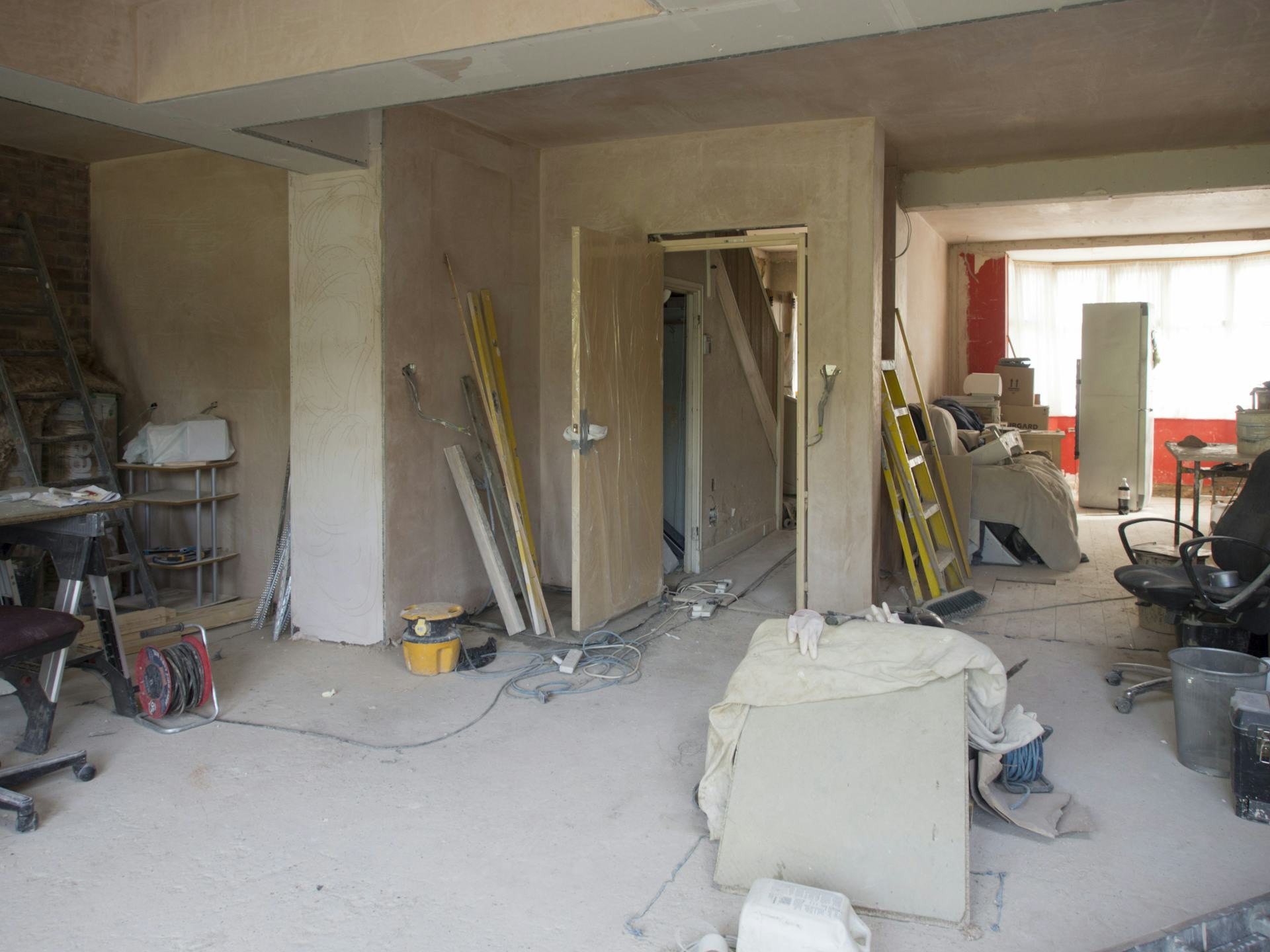
- Insulation and drywall – Closing up walls and preparing for finishes.
- Interior finishes – Flooring, cabinetry, painting, and fixtures.
- Final touches and inspection – Ensuring everything meets code and design specifications.
Stay involved throughout the process. Schedule regular site meetings with your builder to review progress, ask questions, and address any issues early. Taking photos along the way can also be helpful for future reference.
Quality Control and Final Walk-Through
As your home nears completion, it’s time for a detailed inspection—often called the final walk-through. Together with your builder, check for any defects, incomplete work, or items that don’t match the contract.
Consider hiring an independent home inspector to provide an objective assessment. They can identify issues you might overlook and ensure everything meets safety and quality standards.
Your builder should correct any deficiencies before closing. Most contracts also include a warranty period—typically one year—for addressing issues that appear after move-in.
Move-In and the First Months
When the keys are finally in your hand, it’s time to enjoy your new home. But even a brand-new house needs a little attention in the early months.
Monitor humidity, ventilation, and temperature to help materials settle properly. Minor cracks or paint touch-ups are normal as the house adjusts. Keep all documentation, warranties, and maintenance guides in a safe place—they’ll be invaluable later.
A Successful Build Takes Planning and Patience
Building a new home is a journey that requires organization, communication, and patience. The more prepared you are, the smoother the process will be—and the more you’ll enjoy watching your dream home take shape. With the right team and a solid plan, you’ll soon be stepping into a space built exactly the way you envisioned it.