Heat Loss and Comfort – Understanding the Connection in Your Home

Heat Loss and Comfort – Understanding the Connection in Your Home
When winter sets in and heating bills climb, it’s tempting to simply turn up the thermostat. But warmth and comfort aren’t just about how much heat you produce—they’re about how well your home holds onto it. Heat loss is one of the biggest reasons for chilly rooms and high energy costs in American homes. By understanding where and how heat escapes, you can create a cozier living space and save money at the same time.
What Is Heat Loss—and Why Does It Happen?
Heat loss occurs when warm air inside your home escapes through the roof, walls, windows, doors, or floors. Heat naturally moves from warmer areas to cooler ones, so the less insulated your home is, the faster that warmth disappears—and the harder your heating system has to work to maintain a comfortable temperature.
The most common sources of heat loss include:
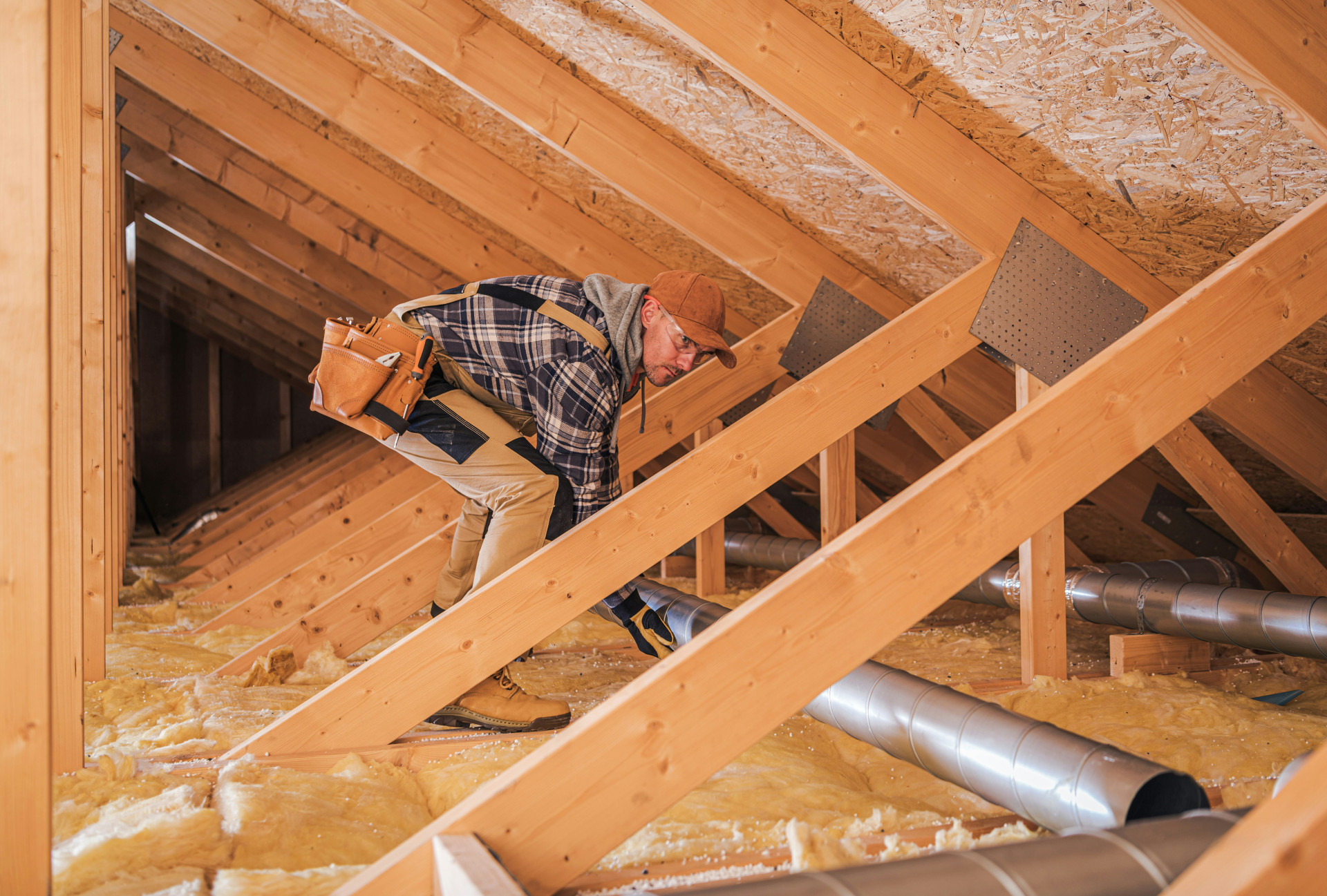
- Attic and roof – Up to 25–30% of heat can escape through an under-insulated attic.
- Exterior walls – Older homes without proper wall insulation lose significant energy.
- Windows and doors – Drafty frames and single-pane glass let warm air out and cold air in.
- Floors and basements – Uninsulated floors or basement ceilings can allow cold air to seep upward.
Even small gaps and cracks can make a big difference. A leaky window or door can create drafts that make a room feel colder, even if the thermostat reads the same temperature.
Comfort Is About More Than Just Heat
Home comfort isn’t only about the number on the thermostat. It’s also about how evenly heat is distributed and how the indoor environment feels. A room can feel chilly at 70°F if there are drafts or cold surfaces nearby.
Three key factors influence comfort:
- Air temperature – the temperature you measure in the room.
- Radiant temperature – how warm or cold walls, floors, and windows feel.
- Air movement – drafts or ventilation that cause your body to lose heat faster.
When these factors are balanced, your home feels comfortable. That means you can often lower the thermostat slightly if your insulation and air sealing are in good shape—without sacrificing comfort.
How to Identify Heat Loss in Your Home
The first step toward a warmer, more energy-efficient home is finding out where the heat is escaping. You can do this in several ways:
- Check for drafts – Hold your hand near windows, doors, and electrical outlets on exterior walls. If you feel cold air, there’s a leak.
- Inspect walls and ceilings – Dark spots or moisture can indicate cold spots or poor insulation.
- Use a thermal camera – Many utility companies and energy auditors offer infrared imaging to show where heat is leaking out.
- Monitor your energy bills – A rising heating cost without changes in usage can signal poor insulation or air leaks.
Once you know where the problems are, you can target improvements for the biggest impact.
Small Changes That Make a Big Difference
You don’t always need a major renovation to reduce heat loss. Simple steps can have a noticeable effect:
- Seal windows and doors with new weatherstripping or caulk.
- Close curtains or blinds at night to reduce heat loss through glass.
- Open curtains during the day to let in natural sunlight and warmth.
- Ventilate efficiently – a few minutes of cross-ventilation is better than leaving a window cracked all day.
- Balance your heating system – make sure vents and radiators are unobstructed for even heat distribution.
These small habits can improve comfort and lower your energy use.
When It’s Time for Bigger Improvements
If your home is older, investing in larger energy upgrades can pay off over time. Consider:
- Adding attic or wall insulation – often the most cost-effective way to save energy.
- Upgrading windows to double- or triple-pane models with low-emissivity (Low-E) coatings.
- Insulating floors or basement ceilings – especially in homes built before the 1980s.
- Installing a heat recovery ventilation system – provides fresh air without losing warmth.
While these projects require an upfront investment, they can significantly reduce heating costs and improve comfort for years to come.
A Warmer Home and a Lower Bill
Understanding the connection between heat loss and comfort is about finding balance. When your home retains heat more effectively, it feels cozier, costs less to heat, and uses energy more efficiently.
A well-insulated, tightly sealed home means no cold corners, no drafts, and a steady, comfortable temperature—making it a place you’ll enjoy all year long.