Create Harmony Between Kitchen Floor, Countertop, and Cabinets

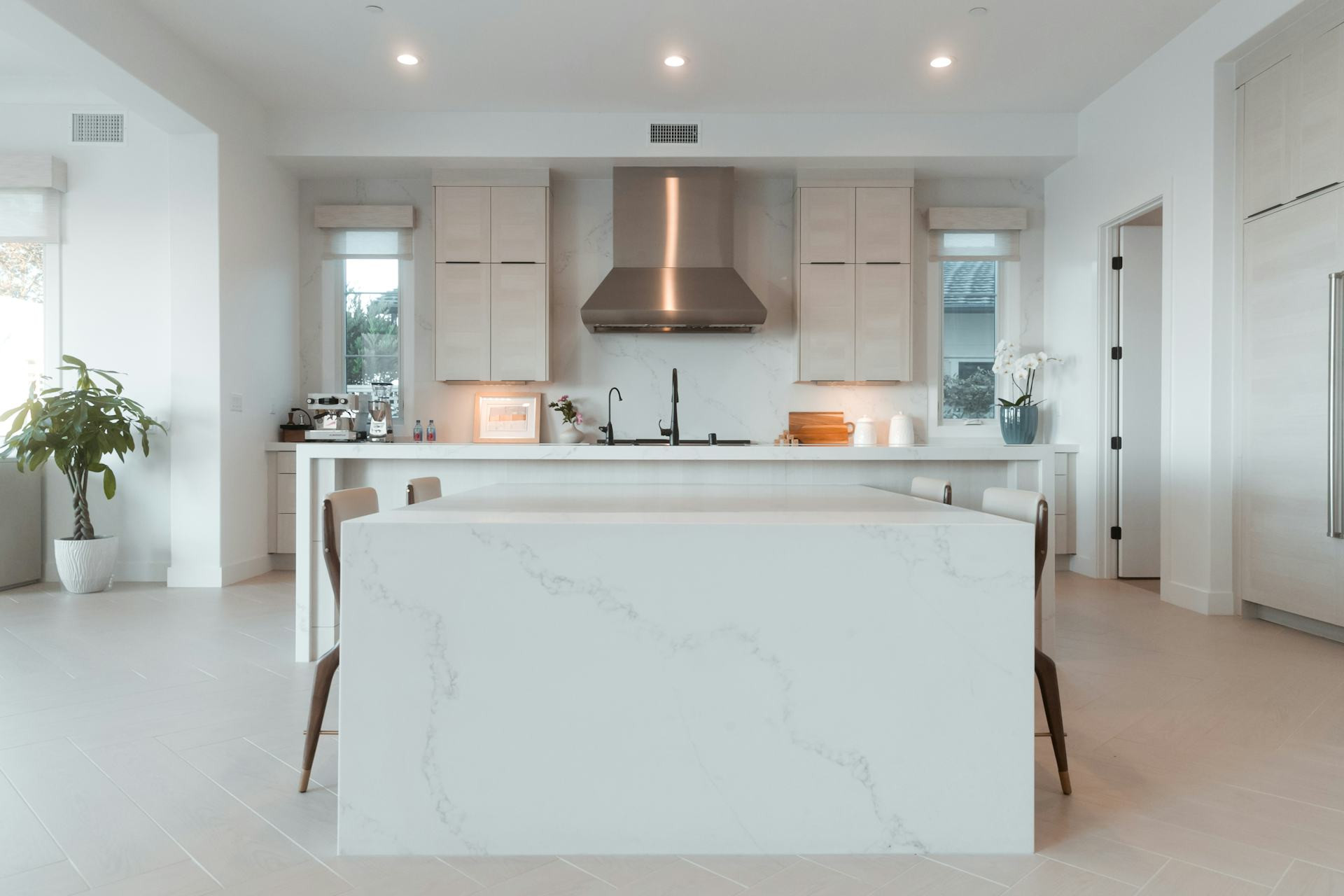
Create Harmony Between Kitchen Floor, Countertop, and Cabinets
A kitchen is more than a place to cook—it’s the heart of the home, where design and practicality meet. When the floor, countertop, and cabinets work together, the space feels cohesive, comfortable, and inviting. But how do you find the right balance between materials, colors, and finishes? Here’s how to create harmony in your kitchen, whether you’re planning a full remodel or just refreshing the look.
Start with the Big Picture
It’s easy to fall in love with a specific countertop or flooring sample, but the best results come when you think about the overall design first. Consider the atmosphere you want to create: bright and airy, warm and rustic, or sleek and modern? Once you have a clear vision, it becomes easier to choose materials that complement one another.
A good rule of thumb is to let one surface take the lead—usually the floor or the cabinets—and allow the other elements to support it. This approach keeps the space balanced and prevents visual clutter.
The Floor – Setting the Foundation
The floor sets the tone for the entire kitchen. Light wood or luxury vinyl planks can make the space feel open and welcoming, while darker tones add depth and sophistication. Tile or stone flooring offers durability and a clean, contemporary look that suits modern or industrial-style kitchens.
Practicality matters, too. Kitchen floors need to handle spills, foot traffic, and frequent cleaning. Porcelain tile, engineered hardwood, and waterproof vinyl are popular choices in American homes because they combine resilience with style. If you prefer natural wood, choose a durable finish that protects against moisture and stains.
The Countertop – The Functional Focal Point
Your countertop is both a work surface and a visual centerpiece. It should stand up to daily use while enhancing the kitchen’s overall aesthetic. Natural materials like granite, quartzite, or butcher block bring warmth and character, while engineered quartz and solid-surface options offer consistency and low maintenance.
When selecting a countertop, think about contrast. A light countertop against dark cabinets creates a striking, modern look, while a darker surface paired with white or light-toned cabinets feels calm and balanced. For a more unified appearance, choose materials in similar tones but with different textures.
The Cabinets – Framing the Space
Cabinets occupy the most visual space in the kitchen, so their color and style have a major impact. Flat-panel doors in neutral shades give a clean, contemporary feel, while shaker or raised-panel doors in wood tones add warmth and timeless appeal.
Consider how your cabinet color interacts with the floor and countertop. Light cabinets can brighten a kitchen with dark flooring, while darker cabinetry can ground a space with pale floors and walls. Don’t overlook the details—hardware, hinges, and trim can subtly tie the design together.
Balancing Colors and Materials
Creating harmony is all about balance. Too many contrasting elements can feel chaotic, while too much uniformity can seem flat. A helpful guideline is to work with three main tones: one dominant, one supporting, and one accent color.
For example, a kitchen with white shaker cabinets, a gray quartz countertop, and medium oak flooring feels calm and natural. If you want more personality, add color through backsplash tiles, pendant lights, or bar stools—elements that are easy to update later.
Lighting and Atmosphere
Lighting plays a crucial role in how colors and materials appear. Natural light highlights the grain of wood and the texture of stone, while artificial light can shift tones dramatically. Combine task lighting for work areas with softer ambient lighting to create a comfortable, flexible space.
Under-cabinet LED strips provide excellent task lighting and a modern touch, while pendant lights over an island or dining area add warmth and character.
A Kitchen That Lasts in Style and Function
A harmonious kitchen isn’t just about looks—it’s about how the space works for you. Choose materials that fit your lifestyle and are easy to maintain. When function and design align, you’ll have a kitchen that feels good to use every day and remains beautiful for years to come.