Create a Calm Corner in the Shared Office


Create a Calm Corner in the Shared Office
In many modern workplaces, open office layouts have become the norm. They encourage collaboration, flexibility, and communication—but they can also bring noise, distractions, and a lack of focus. That’s why more companies are creating small, quiet corners where employees can step away to concentrate or take a short mental break. Here’s how you can design a calm corner in your shared office—whether you have a spacious floor plan or just a small nook to work with.
Why a Calm Corner Matters
Noise and interruptions are among the biggest challenges in open offices. Even brief distractions can break concentration and make it hard to get back into a productive flow. A calm corner offers employees a place to work without interruptions, take a private call, or simply enjoy a few moments of quiet during a busy day.
Creating such a space also sends a message that your organization values well-being and mental balance. It can help reduce stress, boost productivity, and contribute to a healthier, more positive work environment.
Choose the Right Location
The first step is finding the right spot. A calm corner doesn’t have to be a separate room, but it should be away from high-traffic areas like printers, coffee stations, and meeting rooms.
Consider:
- Distance from noise sources – the farther from conversations and equipment, the better.
- Natural light – a window can bring calm and energy, but avoid direct glare.
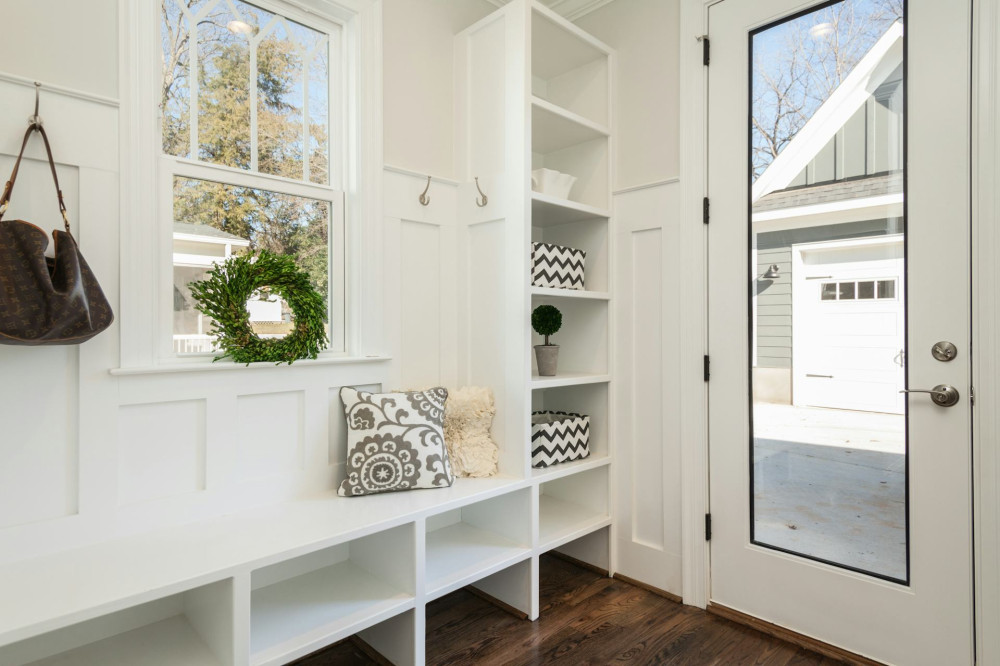
- Ability to create boundaries – shelves, partitions, or plants can help define the space.
Even a small area behind a bookcase or divider can work if it’s thoughtfully arranged.
Design with Calm in Mind
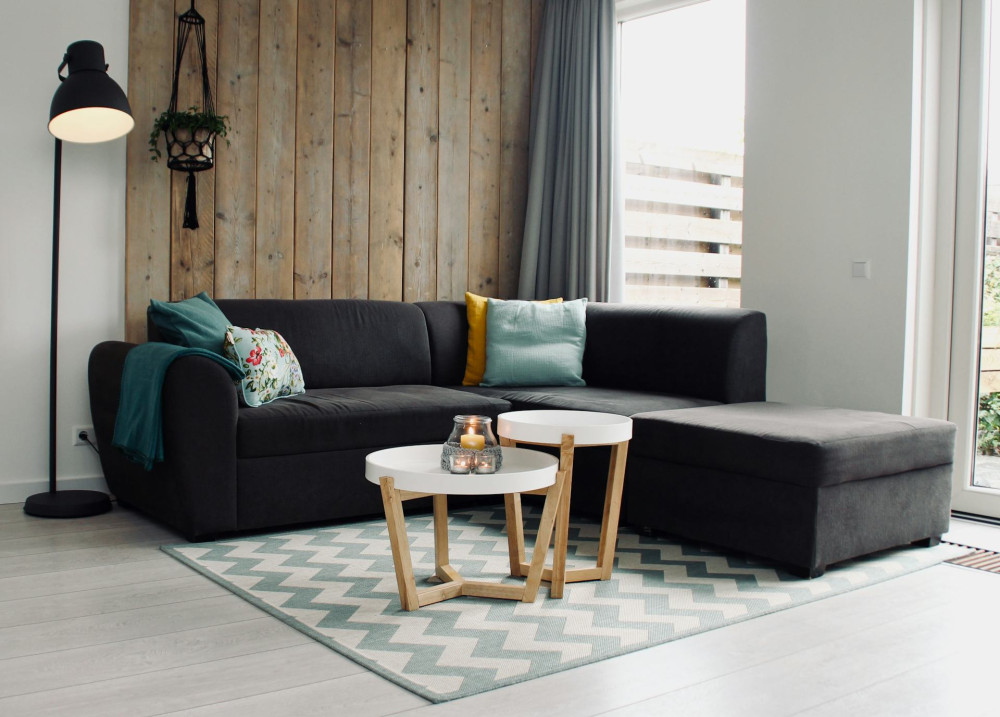
Once you’ve chosen the location, focus on creating an atmosphere that encourages relaxation and focus. Think soft materials, muted colors, and simplicity.
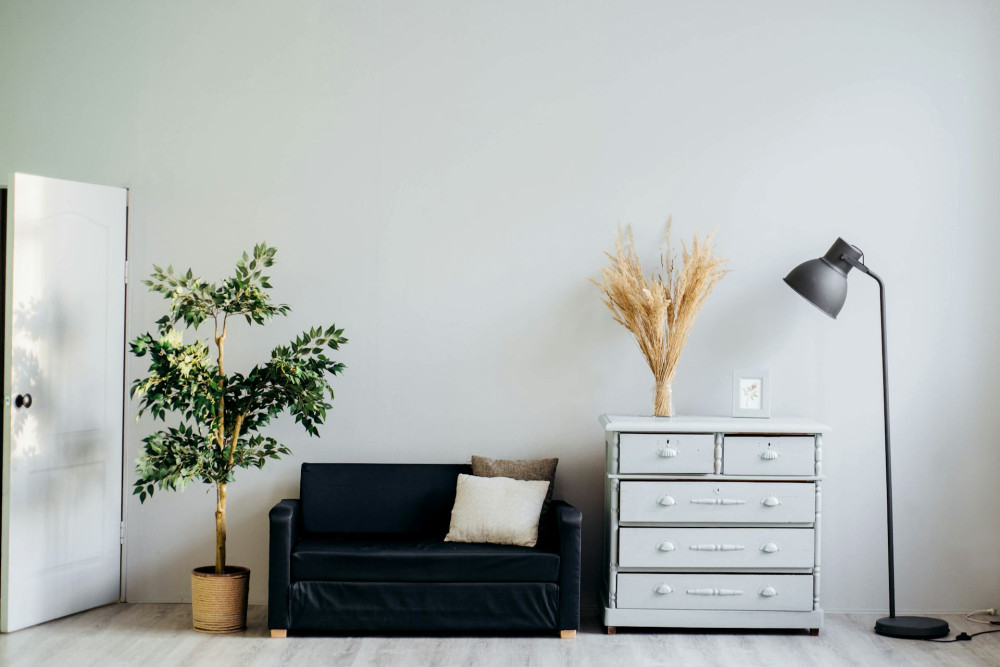
- Furniture: Choose a comfortable chair and a desk or small table at the right height. Keep the setup minimal to avoid clutter.
- Lighting: Use a warm, adjustable lamp rather than harsh overhead lighting. Softer light helps create a more soothing environment.
- Sound: Add acoustic panels, rugs, or curtains to absorb noise. Some offices also use small sound machines that play gentle background sounds like rain or ocean waves.
- Plants: Greenery has a proven calming effect and can improve air quality at the same time.
The goal is to make the area feel like a small retreat within the office.
Set Clear Guidelines
A calm corner works best when everyone understands its purpose. Establish simple guidelines so the space doesn’t turn into a spot for casual meetings or long phone calls.
Examples of guidelines:
- Use the area for quiet work, reading, or short breaks.
- Keep conversations and phone use to a minimum.
- Respect others’ need for silence—this is not a social zone.
When expectations are clear, it’s easier to maintain the peaceful atmosphere.
Make It Inviting—But Shared
A calm corner can still have personality. Small touches like artwork, a neutral throw pillow, or a scent-free plant can make it more welcoming. Just remember that it’s a shared space, so avoid too many personal items.
If space allows, consider creating a few different zones: one for focused work, one for short breaks, and one for quiet conversation. This gives employees options depending on their needs throughout the day.
A Simple Step Toward Better Well-Being
Creating a calm corner doesn’t require a big budget—often, a few pieces of furniture and some thoughtful design choices are enough. The impact, however, can be significant. When employees have a place to recharge and focus, both well-being and productivity improve.
A calm corner is more than just a physical space—it’s a statement that calm and concentration matter in a busy workday. It’s an investment in people, performance, and a more balanced office culture.