Avoid Mold: How to Protect Your Bathroom Waterproofing Membrane Effectively

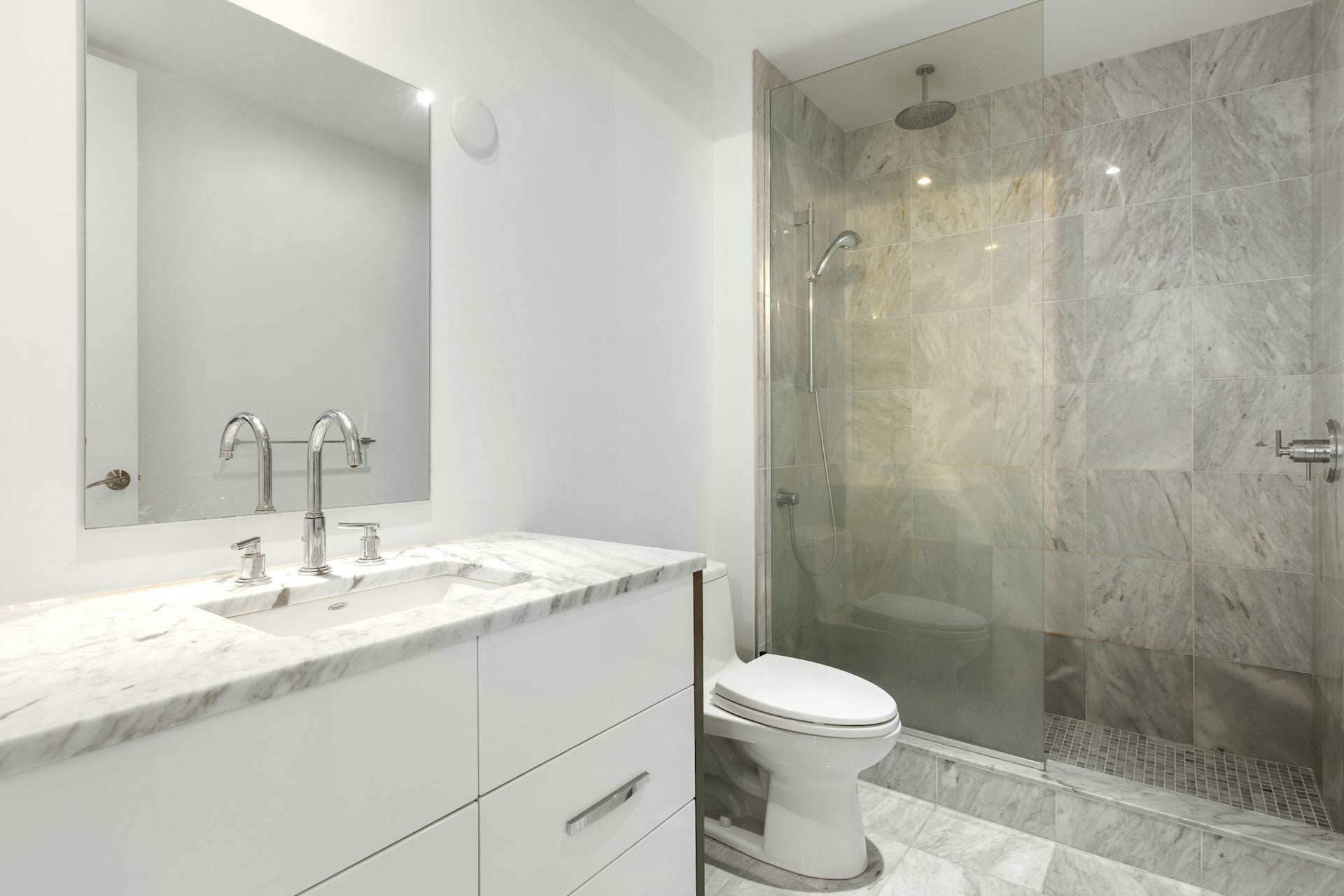
Avoid Mold: How to Protect Your Bathroom Waterproofing Membrane Effectively
A healthy bathroom isn’t just about style – it’s about keeping moisture and mold under control. At the heart of a moisture-safe bathroom is the waterproofing membrane, an invisible barrier that keeps water from seeping into walls and floors. If it’s damaged or poorly installed, it can lead to costly repairs and potential health issues. Here’s how to protect your bathroom’s waterproofing membrane and keep mold at bay.
What Is a Waterproofing Membrane – and Why Does It Matter?
A waterproofing membrane is a protective layer applied beneath tile, stone, or other finishes in wet areas like showers and bathroom floors. Its job is to prevent water from penetrating the structure, where it could cause mold growth, wood rot, or structural damage.
Even small leaks can cause major problems over time. That’s why proper installation and maintenance are essential – whether you’re building new or remodeling. A well-installed membrane ensures that moisture stays where it belongs: on the surface.
Common Causes of Mold in Bathrooms
Mold thrives where moisture, warmth, and organic material meet – and bathrooms provide the perfect environment if not properly managed. The most common causes include:
- Leaky joints or seams where water seeps behind tiles or fixtures.
- Damaged or missing membrane, especially around plumbing penetrations and drains.
- Poor ventilation, which allows humidity to linger.
- Improper cleaning, leaving behind soap scum and organic residue that feed mold spores.
Understanding these causes helps you prevent problems before they start.
How to Protect Your Waterproofing Membrane
Protecting your membrane involves both correct installation and ongoing care. Follow these key steps to keep your bathroom dry and mold-free.
1. Hire a Qualified Professional
Waterproofing is not a DIY job for most homeowners. It must be done according to local building codes and manufacturer instructions. A licensed contractor experienced in bathroom waterproofing will ensure proper overlap, sealing, and coverage. Even a small mistake – like a missed corner or poorly sealed pipe – can lead to major water damage later.
2. Use Approved Materials
Always choose products designed for wet areas, including the membrane, sealant, thin-set mortar, and primer. Make sure all components are compatible as a system. Using mismatched materials can cause chemical reactions or weak spots that compromise the waterproofing.
3. Inspect Caulk and Grout Regularly
Caulk and grout are the weak points of any tiled surface. Over time, they can crack or deteriorate, allowing moisture to reach the substrate. Inspect them at least once a year, and replace or reseal if you notice discoloration, gaps, or crumbling.
4. Avoid Unnecessary Drilling or Penetrations
Every hole in your tile surface is a potential leak path. Whenever possible, use adhesive-mounted accessories instead of drilling. If you must drill, use waterproof anchors and seal the holes carefully with silicone or another waterproof sealant.
5. Maintain Proper Ventilation
Even the best membrane can’t handle constant humidity on its own. A good ventilation system – whether a mechanical exhaust fan or a window that opens – is essential. Run the fan during and for at least 20 minutes after each shower to help the room dry completely. In humid climates, consider a humidity-sensing fan that turns on automatically.
Warning Signs of Trouble
Although the membrane is hidden, you can often spot early signs of failure if you know what to look for:
- Dark spots or discoloration on grout or walls.
- A persistent musty odor, even after cleaning.
- Loose or damp tiles.
- Condensation that lingers long after a shower.
If you notice any of these, contact a professional to assess whether water has penetrated behind the surface.
Prevention Is Cheaper Than Repair
Repairing a damaged waterproofing membrane often means tearing out tile and rebuilding from the substrate up – an expensive and time-consuming process. Investing in proper installation and regular maintenance from the start is far more cost-effective. A sound membrane not only keeps your bathroom looking great but also protects your home’s structure and indoor air quality.
A Bathroom Built to Last
A moisture-safe bathroom is the result of quality workmanship, the right materials, and consistent care. By protecting your waterproofing membrane, you’re not just preserving your walls and floors – you’re safeguarding your entire home from mold and water damage. It’s an investment in comfort, health, and long-term peace of mind.